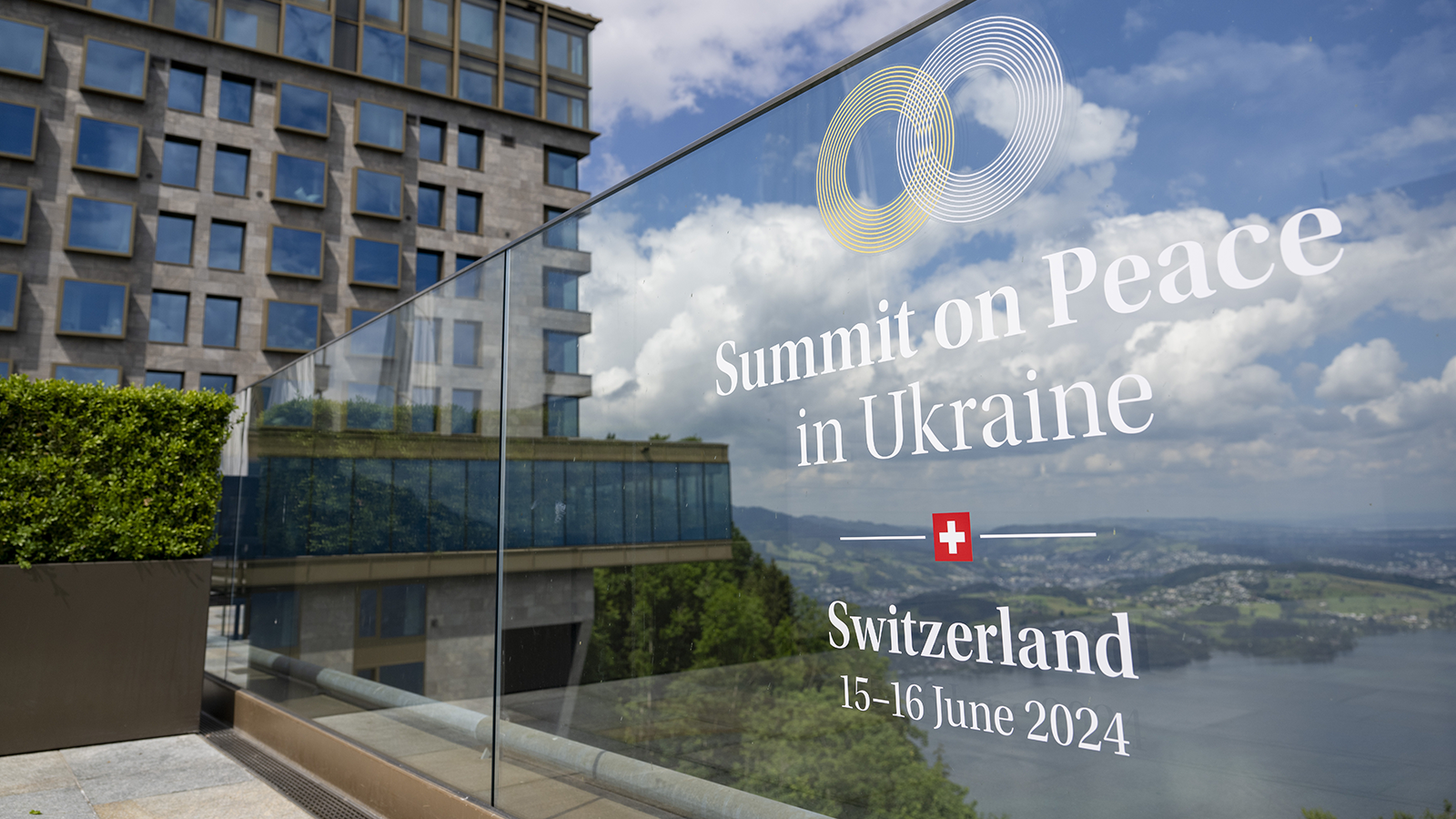
The long-awaited Peace Summit to explore the possibilities of resolving the Russia-Ukraine war will take place in Switzerland on the 15th-16th of June. The Peace Summit is the result of the Ukrainian government’s intensive diplomatic campaign for gathering support for its vision of long and enduring peace based on the United Nations Charter, international law, and justice. The Summit is expected to discuss the Ukrainian Peace Formula (UPF), introduced by the President of Ukraine, Volodymyr Zelenskyy, who articulated Ukraine’s perspective on the political-diplomatic settlement that could become a solution to Russia’s invasion of Ukraine.
Specifically, this first global engagement to put an end to Russia’s invasion of Ukraine will touch on the three UPF provisions: food security, nuclear safety, and the release of all prisoners of war (POWs) and deportees. Ukraine has invested significant and sustained diplomatic efforts for making this summit a reality in order to garner further support and to bring as many states as possible to the negotiating table. Initially backed by Ukraine’s traditional partners such as the EU and G7 nations, United States, United Kingdom, Canada, and others, several countries of the so-called Global South have signalled their intention to take part in the Peace Summit.
The UPF not only tries to propose a basic framework to solve the Russia-Ukraine conflict but also aspires to influence wider conversations on global governance reform and institutional approaches to international peace and security. The Ukrainian President is advocating for the UPF’s chief role in preventing violent conflicts and military aggressions globally. However, given the complexity of the issue, mounting threats and increasing uncertainty on the battlefield of the Russia-Ukraine war, as well as a tense geopolitical situation across the globe fuelled by multiple conflicts, local elections in numerous states this year, and the intensifying rivalry between the United States and China, the Ukraine Peace Summit can also be seen as a test for multilateralism. Even before the Summit has begun, there are already concerns about its potential success at a time when many countries are trying to remain neutral and maintain the current state of their relationships with Russia, Ukraine, and other nations. Additionally, there are proposals for various amendments to the diplomatic process, some of which may not be suitable or even destructive, thus limiting possibilities of arranging just and enduring peace acceptable for Ukraine.

Participants of the Peace Summit: Managing a Wider Global Engagement in Switzerland Faces Setbacks
Prior to this Peace Summit, Ukraine advanced a sustained outreach campaign through a series of consecutive international meetings of national security and foreign policy advisors in Denmark, Saudi Arabia, Malta, and Switzerland. Through these meetings, states could examine and decide on the key principles of ending the Russia-Ukraine war and engage in exchanges of opinions on the UPF itself. As a result, those meetings involved more than 80 states in negotiations, including countries from Africa, Asia, and Latin America. While demonstrating overall positive dynamics in terms of engaging as many states as possible and highlighting that Ukraine and the West are not just inclined to resolve this war by military means, it also signals to the international community that there is space for diplomacy. This counters Russia’s propaganda and Putin’s claims that Ukraine and the West refuse to negotiate.
Hence, due to these diplomatic activities, around 107 states have confirmed their participation in the Peace Summit thus far. As the hosting state, Switzerland has invited 160 delegates of states and representatives of international organizations, such as the UN, OSCE, and Council of Europe, to the Summit at Ukraine's request. The number of participants will likely fluctuate before the Summit’s commencement. Given the complexity and sensitivity of the negotiation subject, it is no wonder the Ukrainian President tries to secure broader participation, also underlined by Zelenskyy’s recent visit to Asia. He participated in the Shangri-La Dialogue conference, dedicated to discussing defence and security issues. He also met with some Asian leaders and partners in the region to ensure their participation in the Peace Summit, including the President of the Philippines, Ferdinand Marcos Jr., Amir of Qatar, Sheikh Tamim bin Hamad Al Thani, President of the Democratic Republic of Timor-Leste, José Ramos-Horta, President-elect of Indonesia, Prabowo Subianto, as well as President of Singapore, Tharman Shanmugaratnam, and Prime Minister and Minister for Finance, Lawrence Wong. All these meetings focused on discussing the UPF and these states’ participation in the Peace Summit.
Yet, the peace summit faces already challenges before it has even begun. News that various states, who are critical to the negotiations (considering their size and power in international politics) will not join the summit has had a sobering effect. The most prominent case is China, which, despite initially participating in the Jeddah meeting to discuss the UPF and agreeing that any peace agreement should respect Ukraine’s sovereignty and territorial integrity under the UN Charter, has refused to attend the Summit. China cited the need to have both Ukraine and Russia at the negotiating table. Yet, Ukraine had stressed since the beginning that Russian representatives would not be invited to the first Peace Summit (arguing that Russia would sabotage the discussions). The position remains that Russia can be invited in the future on the condition that their delegation is willing to negotiate in good faith, bearing in mind that multiple Summits are envisaged since the first one will discuss only three provisions of the UPF out of ten.
China’s diplomatic role in the Russia-Ukraine war is becoming increasingly questionable, reducing the likelihood of Beijing gaining trust as a potential peace broker at a time when China is becoming more supportive of Russia diplomatically, economically, and ideologically. On top of that are accusations from Western intelligence that Beijing is or will be providing lethal weapons to Russia. Zelenskyy also accused China and Russia of sabotaging and undermining the Peace Summit. Official statements from China’s MFA spokesperson - such as the official position that China’s non-participation would not mean that it does not support peace- are becoming increasingly vacuous. There are also indications that Russia, on its part, has tried to use economic coercion and diplomatic pressure on Global South states to withdraw their participation by instrumentalizing the threat of a blockade of agricultural goods, food, and chemical product supplies.
Next to China, other signs indicate that more states were doubtful about their participation in the Peace Summit, including Saudi Arabia, which put forward the same line as China—that it does not want to participate without Russia’s presence. However, it will still take part in the summit. Pakistan’s non-participation in the Summit “to maintain neutrality.” is also an indicator that states from the region are hedging their bets. At the Latin American front, the future participation of Brazil also seems unclear, as President Luiz Inácio Lula da Silva is not expected to attend the Summit even though a lower-ranking Brazilian diplomatic delegation might participate in the Summit. The President of Argentina, Javier Milei, was considered unlikely to participate in the talks due to the national holiday. However, he has since changed his mind and will attend the meeting. Even within the Western ranks, the situation seems less straight-forward than hoped for. The US President Joe Biden will not attend the Peace Summit and will be represented instead by Vice President Kamala Harris and National Security Advisor Jake Sullivan, highlighting domestic intricacies and the complicating factors of the situation related to the upcoming presidential elections. Hungary has neither refused nor accepted the invitation but still cited the same reason voiced by China and other states concerning Russia’s non-participation.
A day before the summit, Russia’s president Putin outlined his own vision of the path towards peace, urging the complete withdrawal of Ukrainian troops from the territories of Donetsk, Luhansk, Zaporizhzhia, and Kherson regions as a pre-conditions for negotiations as well as Ukraine's refusal to join NATO. This is a clear signal of Russia's maximalist goals and a sign that it is not considering the withdrawal of its own troops, but rather serves as an indication that the Kremlin is still seeking territorial gains. Putin’s timing of his ‘proposals’ just before the summit is also an indication of his diplomatic campaign to undermine the work of the summit, to sow fragmentation and seeking to shape the position of Global South states.
Threats of Declining Participation and Diplomatic Manoeuvres Regarding the Final Communiqué
The current developments indicate the ongoing challenges faced by the UPF and the uphill diplomatic battle Ukraine’s broader vision for peace still has to engage with. The international community remains highly polarised, and differing arguments related to Russia’s non-invitation serves as an excuse for avoiding tough diplomatic choices, thereby undermining the likelihood of a diplomatic settlement of the Russia-Ukraine war. Next to multilateral summit diplomacy, bilateral negotiations must continue. Indeed, when warring parties have no confidence and trust in each other’s intentions, engaging them separately through different initiatives and by other brokers could bring results. For instance, parallel negotiation tracks could be helpful, as witnessed earlier by brokering the Grain Deal initiative in the context of the Russia-Ukraine war. At the same time, apart from the risks of losing several leading powers’ engagement in the Ukraine Peace Summit, other threats could potentially hinder the UPF implementation, including disagreements over the text of the Summit’s final communiqué.
There have been indications that the text of the final communiqué has been changed and adapted so significantly that it might also undermine some of the core principles of the UPF. For example, sources cite that UPF will not be the only option for the diplomatic settlement, paving the way for proposals that could contradict the UPF directly and Ukrainian interests more specifically. Instead of discussing concrete measures to achieve peace, the final communiqué mentions confidence-building measures (CBMs) between Russia and Ukraine. The draft also omitted the need to liberate and demilitarise the Zaporizhzhia Nuclear Power Plant. The demands placed on Russia, such as the liberation of occupied Ukrainian territories and others, in the form of a shared vision produced by the international community, were also lifted. To join the peace negotiations, Russia has to participate in vague CBMs, which might lead to a diplomatic negotiation direction where only Ukraine has to commit to concessions: firstly, to engage as many states as possible in the peace process, and secondly, to engage with Russia by making cabal concessions that could lead to territorial losses and violation of Ukraine’s internationally recognised borders. The proposed changes to the final text threaten Ukraine’s vital interests and carry serious risks of directly undermining core principles of the UN Charter. There are now calls inside Ukraine, both amongst diplomatic circles and civil society organisations, to refuse to sign the communiqué of the Peace Summit, if the text opens the doors to directly threaten core pillars of the UPF.
Conclusion
The full implementation of the UPF, as witnessed by the ongoing diplomatic activities around the Russia-Ukraine war, will remain incredibly difficult. While Ukraine’s and the West’s overall strategy of engaging the Global South to end Russia’s invasion is the right decision and is certainly in the spirit of multilateralism, the Peace Summit should not produce counterproductive results that will endanger the Ukrainian vision of just peace. States must work towards achieving peace based on the principles of the UN Charter and international law. It is clear that to end the war, both Russia and Ukraine would have to make certain concessions, but those cannot be at the expense of Ukraine’s sovereignty and territorial integrity, international law and global justice. Russia has committed a crime of aggression, is targeting Ukrainian civilians daily, and, as any other aggressor, must pay the price. This also includes justice for the victims of this aggression and punishing those responsible for it.
If the global community is not able to agree on these fundamental principles, then integrating alternative and politicised visions into the peace process will further undermine international law and the rules-based international order and, more dangerously, will create shortcuts for Russia to avoid legal responsibility for its aggression against Ukraine. Furthermore, it will inevitably create more tensions and distrust between members of the international community, not to mention alienating Ukraine from any diplomatic activities, especially those where its voice is not heard. It is imperative now for those participating in the Peace Summit and those influencing it (e.g. China) to make it about a just and sustainable peace and not a summit on false equivalences of “reasonable security concerns of both sides.”China's refusal to attend the Summit should not distract Ukraine and its partners to concentrate on engaging other key rising powers, such as India, South Africa, Brazil, Argentina, and others, while maintaining a steadfast commitment to fundamental international law principles.
Yet, even if the summit will not produce a desired major step forward towards a diplomatic solution of the war just yet, it is vital to not relent on other core goals by formulating concrete proposals on how to, for instance, ensure Russia’s release of POWs and deportees, especially Ukrainian children forcibly deported to Russia. Much will be at stake at this weekend’s Peace Summit - Ukraine and its partners must continue to resist Russia’s disinformation campaigns and diplomatic sabotage, focus on small but important steps of progress whilst not losing sight of the overarching goal of sustainable peace. It might have to lead to diplomatic flexibility, but should not cross the red lines of international law, the UN Charter and justice for Ukraine.
Is South Sudan Ready to Vote? Assessing the Prospects for a Credible Election in December 2026
is-south-sudan-ready-to-vote-assessing-the-prospects-for-a-credible-election-in-december-2026
Briefing
Peace and Security
September 28, 2026
Justice-Ready by Design: What the UN’s Work with Victims of Terrorism Reveals About Digital Public Infrastructure
justice-ready-by-design-what-the-uns-work-with-victims-of-terrorism-reveals-about-digital-public-infrastructure
Commentary
AI Governance
September 23, 2026

A Start, Not an End: Reflections on the Peace Operations Review Report
a-start-not-an-end-reflections-on-the-peace-operations-review-report
Analysis
Peace and Security
September 21, 2026
European Nuclear Arms and Arms Control in an Age of Uncertainty
european-nuclear-arms-and-arms-control-in-an-age-of-uncertainty
Analysis
Peace and Security
September 10, 2026
A Blueprint for the Global Governance of Autonomous Weapon Systems
a-blueprint-for-the-global-governance-of-autonomous-weapon-systems
Report
Peace and Security
August 28, 2026
AI, Sustainable Development and the Future of Education: A Governance Imperative
ai-sustainable-development-and-the-future-of-education-a-governance-imperative
Commentary
Global Education
August 17, 2026
Financing Syria's Recovery: The EU and a Fragile Economic Opening
financing-syrias-recovery-the-eu-and-a-fragile-economic-opening
Briefing
Global Economy
August 12, 2026
European Defence: The European Union Framework as a Dead End
european-defence-the-european-union-framework-as-a-dead-end
Briefing
Peace and Security
July 22, 2026
The New Development Bank Joins the Shift Towards Nuclear Energy Financing
the-new-development-bank-joins-the-shift-towards-nuclear-energy-financing
Commentary
Global Economy
July 13, 2026
.png)
An Issue Area Approach to Defending Global Governance
an-issue-area-approach-to-defending-global-governance
Briefing
Peace and Security
July 2, 2026

Europe’s Defence Supply Chains Need Africa and the Global South
europes-defence-supply-chains-need-africa-and-the-global-south
Commentary
Global Economy
June 12, 2026

Retrenchment as Policy Failure: Aid Cuts, the Post-UNITAMS Vacuum, and Sudan's Civilian Crisis
retrenchment-as-policy-failure-aid-cuts-the-post-unitams-vacuum-and-sudans-civilian-crisis
Briefing
Peace and Security
May 28, 2026
The Illusion of AI Sovereignty: Mapping the Five-Layer AI Stack
the-illusion-of-ai-sovereignty-mapping-the-five-layer-ai-stack
Commentary
AI Governance
May 15, 2026

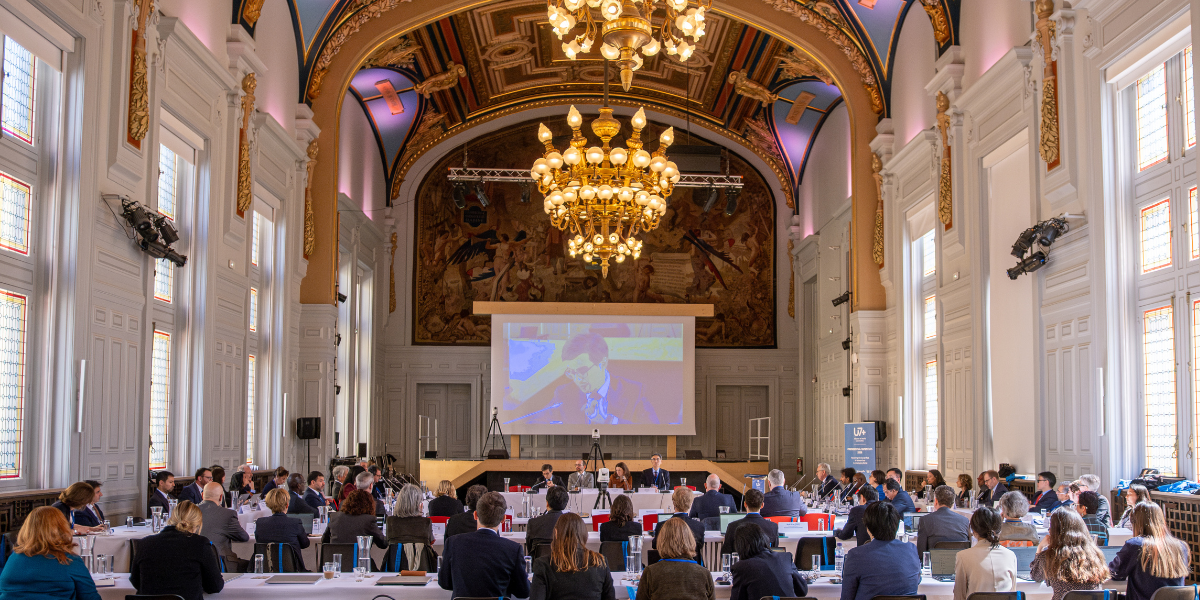
Towards a Science for Diplomacy? The U7+ Alliance and the Strategic Repositioning of Universities in Global Governance
towards-a-science-for-diplomacy-the-u-7-alliance-and-the-strategic-repositioning-of-universities-in-global-governance
Commentary
Global Education
April 27, 2026
The Capability Overhang: Cognition and Labor in the Age of AI
the-capability-overhang-cognition-and-labor-in-the-age-of-ai
Commentary
AI Governance
April 9, 2026
.png)
The UN80 Initiative as a Productive Failure: Between Geopolitical Disruptions and Organizational Path Dependency
the-un80-initiative-as-a-productive-failure-between-geopolitical-disruptions-and-organizational-path-dependency
Analysis
Peace and Security
March 31, 2026

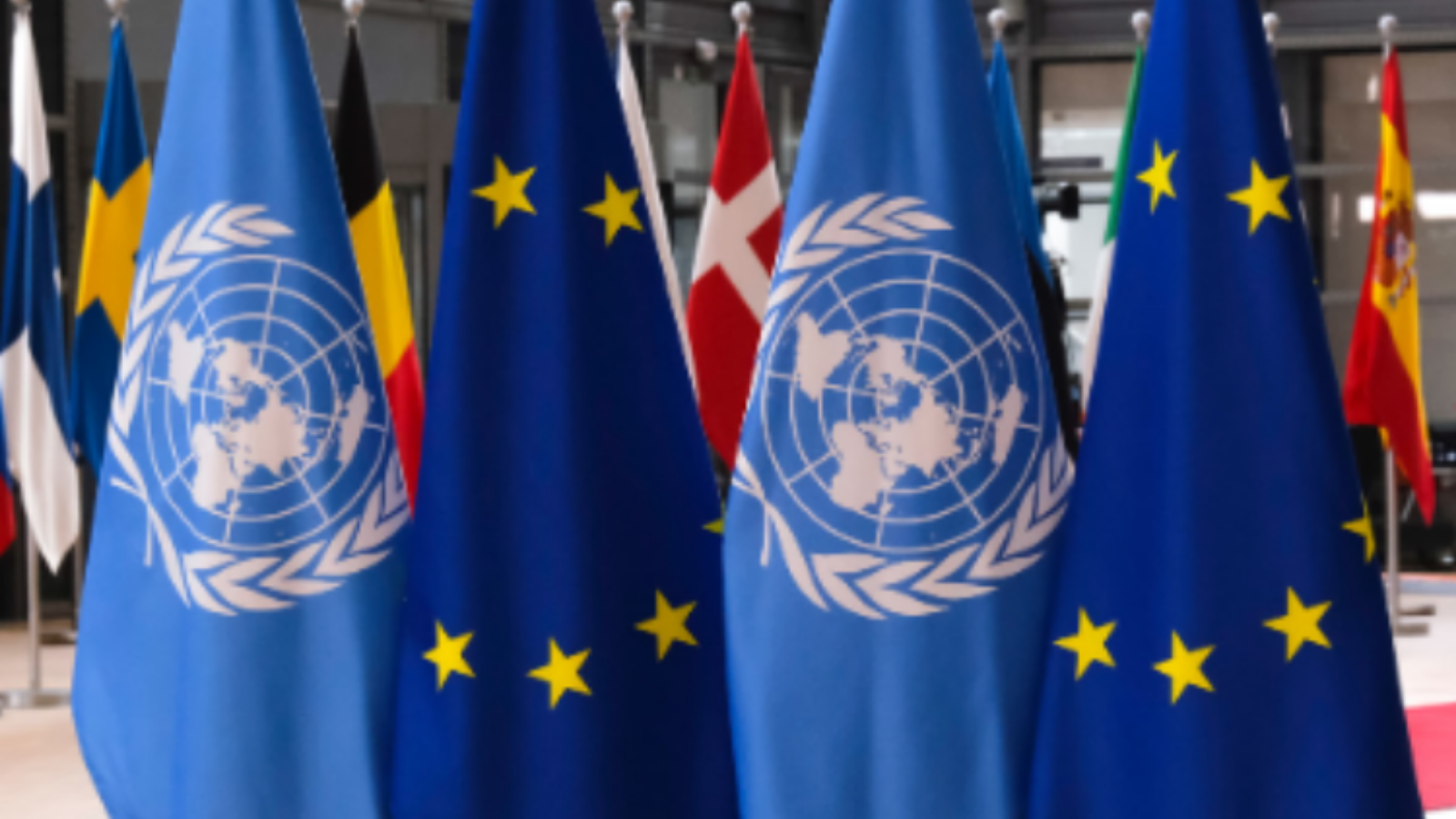
Quo Vadis EU-UN Relations in Peace and Security? Evolution, Challenges and Adaptation
quo-vadis-eu-un-relations-in-peace-and-security-evolution-challenges-and-adaptation
Briefing
Peace and Security
February 27, 2026
Higher Education at a Crossroads: Why Europe’s Universities Must Lead, Not Merely Comply
higher-education-at-a-crossroads-why-europes-universities-must-lead-not-merely-comply
Commentary
Global Education
February 23, 2026

What Comes After the US-Israel Strikes on the Islamic Republic?
what-comes-after-the-us-israel-strikes-on-the-islamic-republic
Commentary
Peace and Security
December 19, 2025

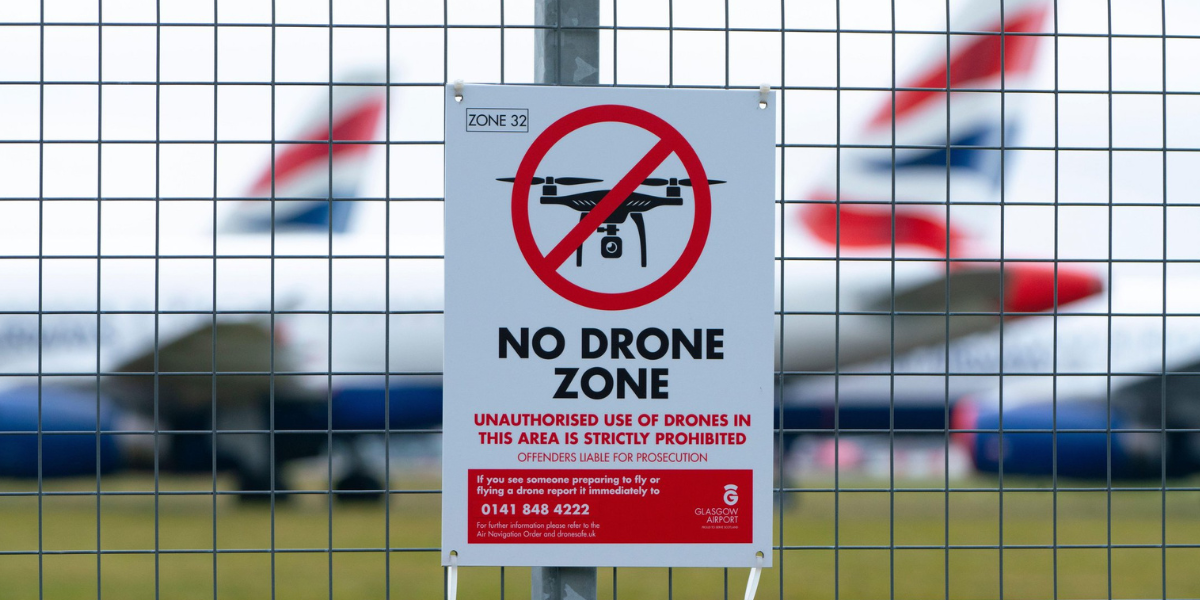
Do You Know What’s in Your Skies? Emerging Challenges for Civil Aviation Governance
do-you-know-whats-in-your-skies-emerging-challenges-for-civil-aviation-governance
Commentary
AI Governance
December 18, 2025
Knowledge creation in times of scarce resources in higher education
knowledge-creation-in-times-of-scarce-resources-in-higher-education
Commentary
Global Education
November 10, 2025

Justice-Ready Digital Public Infrastructure: Building a Third Layer of Trust for Democratic Resilience
justice-ready-digital-public-infrastructure-building-a-third-layer-of-trust-for-democratic-resilience
Briefing
AI Governance
October 23, 2025

Is a Greener Future for AI Possible?
is-a-greener-future-for-ai-possible
Commentary
AI Governance
October 20, 2025

Silencing Dissent: How the Tech Backlash Threatens Transitional Justice
silencing-dissent-how-the-tech-backlash-threatens-transitional-justice
Commentary
AI Governance
October 2, 2025

Holding NATO Together and Keeping the US Engaged: Strategic Implications of the Hague Summit
holding-nato-together-and-keeping-the-us-engaged-strategic-implications-of-the-hague-summit
Analysis
Peace and Security
September 9, 2025

Reforming the UN during a financial crisis: a foreseeable failure to align money, mandates, and majorities?
reforming-the-un-during-a-financial-crisis-a-foreseeable-failure-to-align-money-mandates-and-majorities
Briefing
Peace and Security
July 9, 2025

How do we measure the quality of education?
how-do-we-measure-the-quality-of-education
Commentary
Global Education
April 28, 2025

Bound to Fail? The Limits of Diplomacy in the Russia–Ukraine War and the Future of European Security
bound-to-fail-the-limits-of-diplomacy-in-the-russia-ukraine-war-and-the-future-of-european-security
Commentary
Peace and Security
April 8, 2025

A major shift in global higher education is underway: why collective leadership and governance are more important than ever
a-major-shift-in-global-higher-education-is-underway-why-collective-leadership-and-governance-are-more-important-than-ever
Commentary
Global Education
March 26, 2025

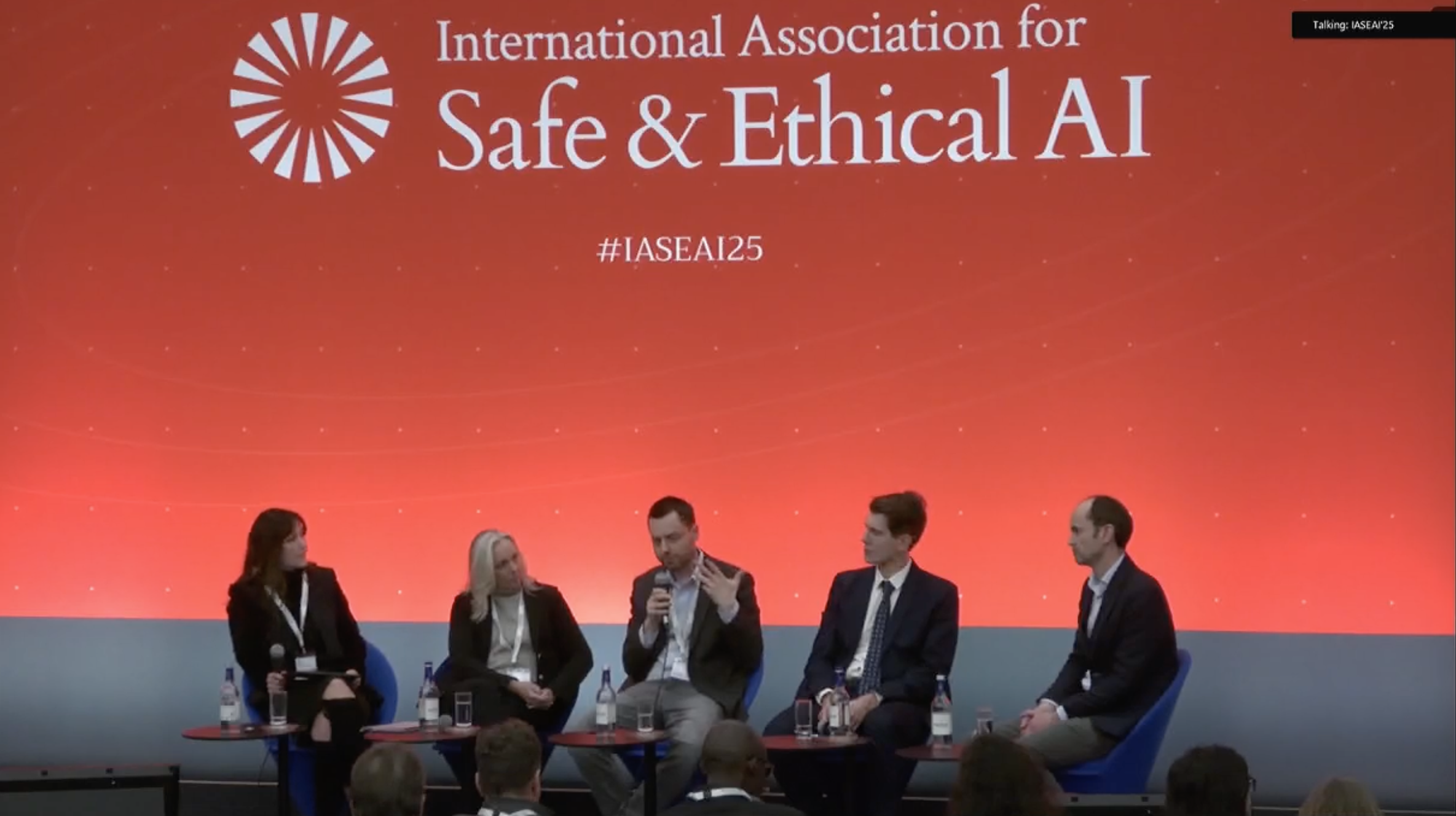
AI's Fast-Forward Button: Can We Harness Innovation Without Sacrificing Safety?
ais-fast-forward-button-can-we-harness-innovation-without-sacrificing-safety
Commentary
AI Governance
March 10, 2025
Parliaments in the EU enlargement process: Strengthening capacities of accession country parliaments under the evolving enlargement methodology
parliaments-in-the-eu-enlargement-process-strengthening-capacities-of-accession-country-parliaments-under-the-evolving-enlargement-methodology
Report
Democracy and Human Rights
January 30, 2025
%20(1200%20x%20600%20px)%20(1200%20x%20400%20px).png)
Synthetic Biology and the Future of Global Environmental Governance
synthetic-biology-and-the-future-of-global-environmental-governance
Analysis
Global Environmental Governance
January 28, 2025

Towards a Global Agency for Governing Artificial General Intelligence: Challenges and Perspectives
towards-a-global-agency-for-governing-artificial-general-intelligence-challenges-and-perspectives
Report
AI Governance
January 14, 2025

Normalizing Russia can become Trump’s biggest mistake, but it’s not too late to prevent it
normalizing-russia-can-become-trumps-biggest-mistake-but-its-not-too-late-to-prevent-it
Commentary
Peace and Security
January 13, 2025

Stabilizing Europe’s Security Architecture after the Russo-Ukraine War? The Future of Conventional Arms Control in Europe
stabilizing-europes-security-architecture-after-the-russo-ukraine-war-the-future-of-conventional-arms-control-in-europe
Briefing
Peace and Security
November 20, 2024

INTERPOL: Challenges and Opportunities for the New Secretary General
interpol-challenges-and-opportunities-for-the-new-secretary-general
Commentary
Peace and Security
November 7, 2024

A Fork in the Road? The Kazan Summit of the BRICS
a-fork-in-the-road-the-kazan-summit-of-the-brics
Briefing
Peace and Security
October 30, 2024

UN Summit of the Future and Development: The Way Forward
un-summit-of-the-future-and-development-the-way-forward
Briefing
AI Governance
October 24, 2024
ECOWAS after the ‘Triple Withdrawal’ and the creation of the Alliance of Sahel States
ecowas-after-the-triple-withdrawal-and-the-creation-of-the-alliance-of-sahel-states-challenges-and-ways-ahead-for-regional-security-governance
Analysis
Peace and Security
October 7, 2024
Rushing to Peace, Racing to War: The Challenge of a Just Settlement
rushing-to-peace-racing-to-war-the-challenge-of-a-just-settlement
Commentary
Peace and Security
September 30, 2024
UN Summit of the Future: A Critical Moment for Global AI Governance
un-summit-of-the-future-a-critical-moment-for-global-ai-governance
Commentary
AI Governance
September 20, 2024

Shattered Security: Gender And Coups In Guinea, Mali, And Burkina Faso
shattered-security-gender-and-coups-in-guinea-mali-and-burkina-faso
Briefing
Peace and Security
June 26, 2024
Before the Peace Summit: Testing Multilateralism and Ukrainian Diplomacy
before-the-peace-summit-testing-multilateralism-and-ukrainian-diplomacy
Commentary
Peace and Security
June 14, 2024
The On-Going Quest for Teaching Excellence
the-on-going-quest-for-teaching-excellence
Commentary
Global Education
June 11, 2024

Deepening EU-Japan-US Cooperation on Critical and Emerging Technologies
deepening-eu-japan-us-cooperation-on-critical-and-emerging-technologies
Commentary
AI Governance
May 7, 2024
UNRWA’s Funding Freeze was Unjustified and Undermined Good Governance
unrwas-funding-freeze-was-unjustified-and-undermined-good-governance
Briefing
Democracy and Human Rights
April 25, 2024

Israel’s Non-implementation of the ICJ’s Provisional Measures: International Law Must Be Upheld
israels-non-implementation-of-the-icjs-provisional-measures-international-law-must-be-upheld
Briefing
Democracy and Human Rights
April 2, 2024

The EU AI Act: two steps forward, one step back
the-eu-ai-act-two-steps-forward-one-step-back
Briefing
AI Governance
March 19, 2024

The Council of Europe’s draft AI Treaty: balancing national security, innovation and human rights?
the-council-of-europes-draft-ai-treaty-balancing-national-security-innovation-and-human-rights
Commentary
AI Governance
March 18, 2024
The Ukrainian Peace Formula: content, evolution and diplomatic outreach
the-ukrainian-peace-formula-content-evolution-and-diplomatic-outreach
Analysis
Peace and Security
February 26, 2024
What developments in AI tell us about the future of governance models
what-developments-in-ai-tell-us-about-the-future-of-governance-models
Commentary
AI Governance
February 21, 2024

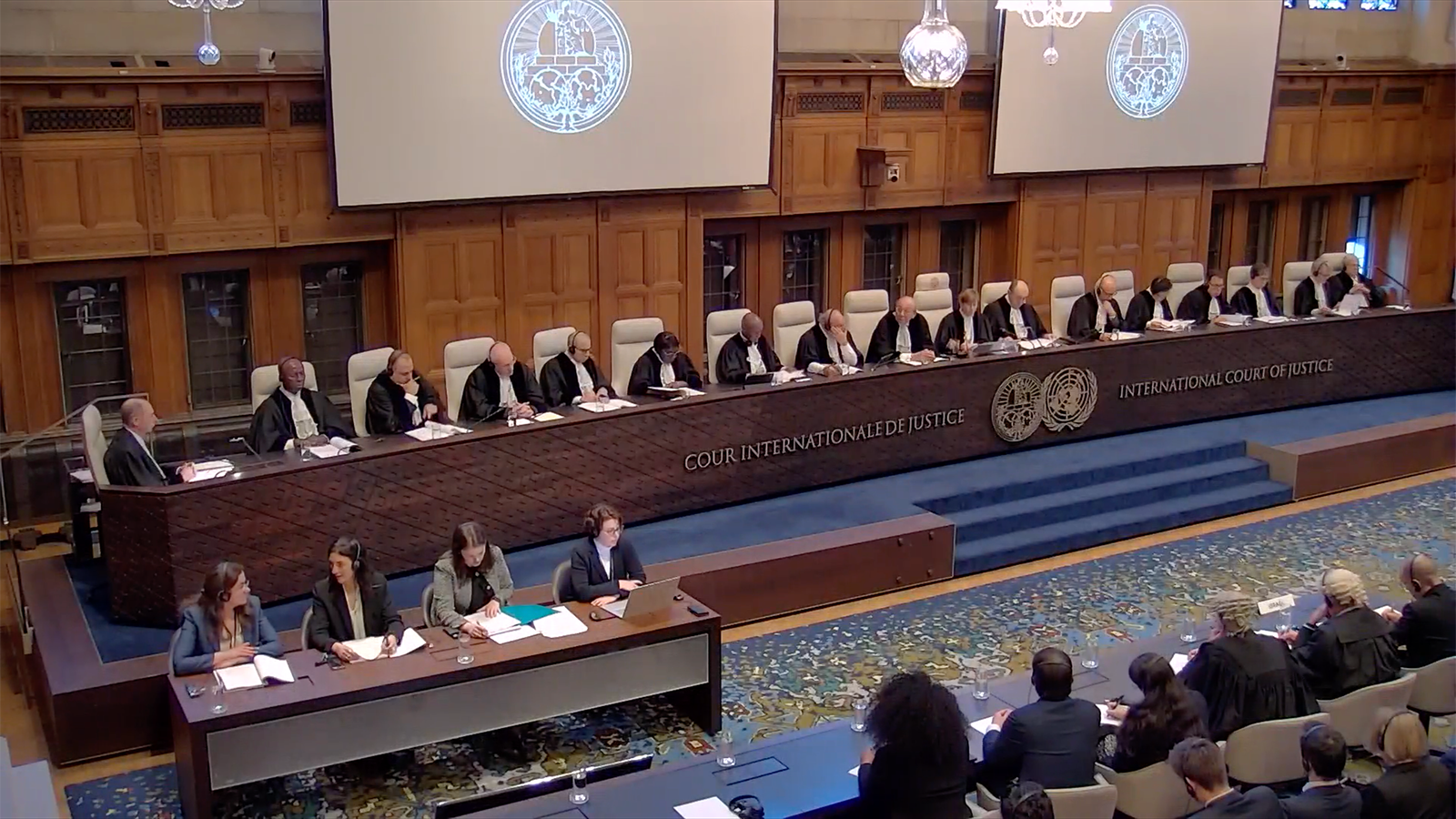
Whither the Global Governance of Protecting Civilians? An Initial Assessment of the ICJ’s Decision on South Africa v. Israel of 26 January 2024
whither-the-global-governance-of-protecting-civilians-an-initial-assessment-of-the-icjs-decision-on-south-africa-v-israel-of-26-january-2024
Analysis
Democracy and Human Rights
February 14, 2024
How Ukraine uses AI to fight Russian information operations
how-ukraine-uses-ai-to-fight-russian-information-operations
Commentary
AI Governance
February 12, 2024

Got trust? Global governance of emerging technologies
got-trust-global-governance-of-emerging-technologies
Commentary
AI Governance
November 28, 2023

Last minute national objections to the EU’s AI Act are a mistake. Here’s why
rolling-back-the-ai-act-is-a-mistake-heres-why
Commentary
AI Governance
November 27, 2023

Contributions of Latin America and the Caribbean to UN Peace Operations and Recommendations to Increase this Participation
new-ggi-advice-report-latin-american-and-caribbean-countries-contributions-to-un-peacekeeping
Report
Peace and Security
October 12, 2023
Armed Conflict in Nagorno-Karabakh: Crisis, Exodus, and Ethnic Cleansing
armed-conflict-in-nagorno-karabakh-crisis-exodus-and-ethnic-cleansing
Briefing
Peace and Security
October 9, 2023

Thinking of Eloho – One Year On
thinking-of-eloho-one-year-on
Commentary
Peace and Security
August 12, 2023
The Strategic Compass and the EU's Security & Defence Partnerships
the-strategic-compass-implementing-the-partnership-dimension-in-the-area-of-security-and-defence
Report
Peace and Security
July 23, 2023

Franco-German Perspectives: Europe's Moment of Geopolitics
franco-german-perspectives-europes-moment-of-geopolitics
Commentary
Peace and Security
June 2, 2023
A Comprehensive Mapping of National Higher Education Teaching Qualification schemes, Requirements and Provisions for the Promotion and Reward of Teaching Excellence
a-comprehensive-mapping-of-national-higher-education-teaching-qualification-schemes-requirements-and-provisions-for-the-promotion-and-reward-of-teaching-excellence
Report
Global Education
June 1, 2023

Stefaan de Rynck 'Inside the deal: How the EU got Brexit Done'
stefaan-de-ryncks-inside-the-deal-how-the-eu-got-brexit-done
Commentary
Global Education
April 5, 2023
NATO Allies and the Protection of Civilians
nato-allies-and-the-protection-of-civilians
Analysis
Peace and Security
January 11, 2023
Why Jettison Erasmus? The negative consequences for the UK of walking away
why-jettison-erasmus
Commentary
Global Education
January 1, 2021

Doing less with more? The difficult return of Western troop contributing countries to UN Peacekeeping
doing-less-with-more
Analysis
Peace and Security
November 2, 2020
The European Union's Role in International Economic Fora – Paper 4: The IMF
the-european-unions-role-in-international-economic-fora-paper-4-the-imf
Report
Global Economy
September 1, 2015
Civil Society Reforms in Uzbekistan: More than Government Chicanery?
civil-society-reforms-in-uzbekistan-more-than-government-chicanery
Briefing
Peace and Security
January 1, 2014
Assessing the EU’s Joint Communication on the Comprehensive Approach: Implications for EU Crisis Response and Conflict Prevention
assessing-the-eus-joint-communication-on-the-comprehensive-approach
Briefing
Peace and Security
December 15, 2013
The EU Foreign Policy of My Dreams: Ten Wishes
the-eu-foreign-policy-of-my-dreams-ten-wishes
Views from Practice
Peace and Security
December 12, 2013
The Middle East as weapons of mass destruction free zone: A proposal to overcome the deadlock
the-middle-east-as-weapons-of-mass-destruction-free-zone-a-proposal-to-overcome-the-deadlock
Views from Practice
Peace and Security
October 15, 2013
From a Militarized to a Humanized Responsibility to Protect
from-a-militarized-to-a-humanized-responsibility-to-protect-integrating-the-red-cross-and-red-crescent-into-rtop-to-respond-to-natural-disasters-and-global-climate-change
Analysis
Global Environmental Governance
June 1, 2013
Leading the Peacebuilding Commission: An Institutional History in the Making
leading-the-peacebuilding-commission-an-institutional-history-in-the-making
Views from Practice
Peace and Security
March 1, 2013
Anticipating the “Final” Arms Trade Treaty Conference: Eight Concrete Proposals
anticipating-the-final-arms-trade-treaty-conference-eight-concrete-proposals
Analysis
Peace and Security
February 1, 2013
Report for the Inquiry into the European External Action Service – EU sub-committee on External Affairs of the House Of Lords
report-for-the-inquiry-into-the-european-external-action-service---eu-sub-committee-on-external-affairs-of-the-house-of-lords
Briefing
Peace and Security
December 1, 2012
Government and the Process of Governance in Africa
government-and-the-process-of-governance-in-africa
Analysis
Peace and Security
November 1, 2012
The Responsibility to Protect and the Responsibility while Protecting: Friends or Foes?
the-responsibility-to-protect-and-the-responsibility-while-protecting-friends-or-foes
Analysis
Democracy and Human Rights
September 15, 2012

Montenegro’s Accession To The EU: Taking Stock And Suggesting Areas For Progress
montenegros-accession-to-the-eu-taking-stock-and-suggesting-areas-for-progress
Briefing
Democracy and Human Rights
August 1, 2012

Electing Freedom? Key Challenges For Libya After The 7 July 2012 Election
electing-freedom-key-challenges-for-libya-after-the-7-july-2012-election
Briefing
Peace and Security
August 1, 2012

The Somali Crisis and the EU: Moving Onshore and Committing to Somalia
the-somali-crisis-and-the-eu-moving-onshore-and-committing-to-somalia
Analysis
Peace and Security
July 1, 2012
United Nations - European Union Cooperation in the Field of Peacekeeping: Challenges and Prospects
united-nations-european-union-cooperation-in-the-field-of-peacekeeping-challenges-and-prospects
Analysis
Peace and Security
June 1, 2012
Widening The Huntress’s Reach: Legal And Strategic Aspects Of A New Atalanta Mandate
legal-and-strategic-aspects-of-a-new-atalanta-mandate
Briefing
Democracy and Human Rights
April 15, 2012

The Biological Weapons Convention, Bioterrorism And The Life Sciences
the-biological-weapons-convention-bioterrorism-and-the-life-sciences
Briefing
Peace and Security
April 1, 2012

A Democratic Justification for Military and Non-military Humanitarian Intervention
a-democratic-justification-for-military-and-non-military-humanitarian-interventions
Analysis
Democracy and Human Rights
April 1, 2012

Climate Change and Security: Adapting the Discussion to the Evidence
climate-change-and-security
Briefing
Global Environmental Governance
March 15, 2012

The United Nations Entity for Gender Equality and the Empowerment of Women (UN Women)
the-united-nations-entity-for-gender-equality-and-the-empowerment-of-women-un-women
Backgrounder
Peace and Security
September 1, 2011

The International Criminal Court and Kenya’s Post-election Violence
the-international-criminal-court-and-kenyas-post-election-violence
Analysis
Democracy and Human Rights
July 15, 2011

The United Nations Peacebuilding Architecture: Background Note
the-united-nations-peacebuilding-architecture-background-note
Briefing
Peace and Security
March 1, 2011
European Civilian Crisis Management Capacities: Bridging The Resources Gap?
european-civilian-crisis-management-capacities-bridging-the-resources-gap
Briefing
Peace and Security
January 15, 2011

The Changing Constellation of Power and Resistance in the Global Debate over Agrofuels
the-changing-constellation-of-power-and-resistance-in-the-global-debate-over-agrofuels
Analysis
Global Environmental Governance
January 1, 2011