President Macron’s remarks on Taiwan and the immediate reactions by policy-makers and commentators felt like a déjà vu. While he wanted to talk about the importance of European strategic autonomy, his partners understood equidistance and turning away from the US. Not that the timing was bad. A few hours earlier, China had launched a large-scale military maneuver off Taiwan with the aim of testing the sealing off of the island state. A clear message from President Macron would have strengthened France's position in the Indo-Pacific and drawn attention to the key point of his interview of early April. But things turned out differently. The speech he gave two days later in The Hague was drowned out by the never-ending criticism related to his earlier remarks on Taiwan. Yet, his earlier remarks laid the foundations for a European economic doctrine that deserves more substantial attention and more discussion. Unfortunately, this did not happen either.
Only the two
The ongoing and upcoming series of Franco-German meetings, culminating in President Macron's state visit to Berlin in July, offers a good opportunity to put the issue back on the agenda. The conditions for this are good.
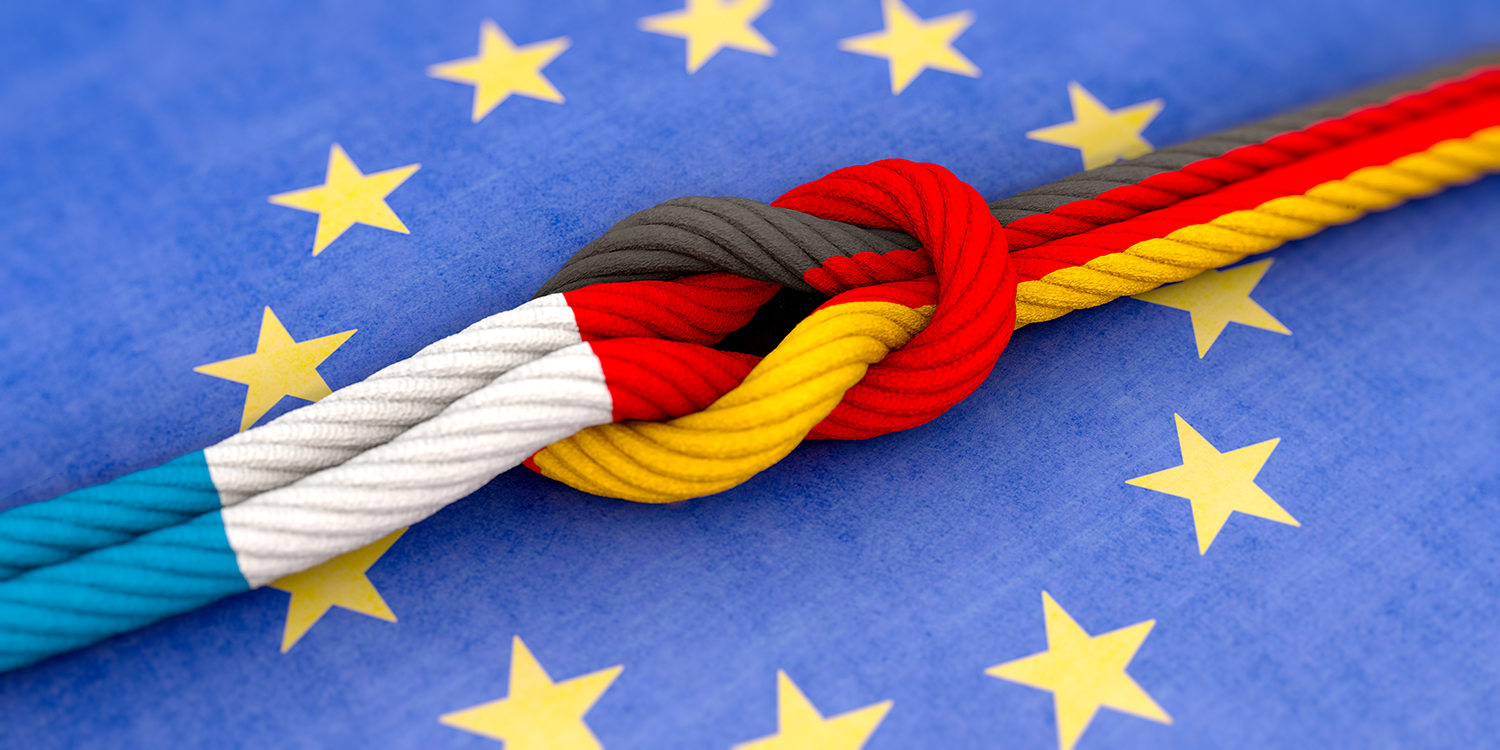
There is a clear consensus between France and Germany that European sovereignty is a necessity, at least as far as public declarations are concerned. Even before Macron’s speech at the Sorbonne in September 2017, German Chancellor Angela Merkel had declared that “we Europeans must take our fate into our own hands” (29 May 2017). The Treaty of Aachen (21 January 2019), the Traffic Light Coalition Agreement (7 December 2021), Chancellor Scholz’s speech on Europe in Prague in August 2022, and finally his speech to the European Parliament in Strasbourg (9 May 2023) all contain the commitment to European sovereignty.
Germany and France are also almost in full alignment on two of the most important issues of European foreign and security policy today. In the context of the Zeitenwende, Germany has moved away from its vision of a Europeanpeace order that would include Russia. Instead, both countries agree that Russia is a long-term threat that requires a resolute posture of deterrence. Yet, it is also a geographical fact (E. Macron) that negotiations will have to take place with Russia one day.
As for China, both countries share the policy of de-risking as advocated by the European Commission. Germany is also beginning to combine economic thinking with geopolitical thinking. It is becoming aware of the connection between diplomacy and power. This is evidence of an evolution that brings it closer to the French position and tradition, offering some opportunities for strategic convergence.
After last months’ tensions, France and Germany have now come to the conclusion that they are once again “doomed” to work together. Macron understands that the dream of European sovereignty cannot be realized without Germany; Scholz understands that “leading from behind” is not a viable option. Major decisions require leadership and leadership can only be exercised by what Wolfgang Schäuble and Karl Lamers referred to as the “core of the hard core”. The echoes of history are clearly audible.
Engaging Central and Eastern Europe
“European sovereignty (...) is an absolute necessity in a dangerous environment”, Emmanuel Macron stressed in this speech at The Hague on 11 April 2023. If Germany and France find a way to work closely together, they must at the same time seek dialogue with Central and Eastern Europe. This is an equally central necessity.
Poland would be an obvious partner to deepen strategic dialogues with. However, the Weimar Triangle, once praised by Bronislaw Geremek as an “intelligent political instrument”, won’t be capable of playing its role as a transmission belt. The course Mateusz Morawiecki is currently pursuing does not offer any straight-forward opportunities for “strategic reconciliation”. Positioning itself as a counterweight to the two largest economies and most populous EU members is doomed to fail. Whether Morawiecki wants it or not, the EU power centers are still Paris and Berlin. There are no signs of a shift from West to East, current speculations notwithstanding.
A new Polish government formed by pro-European and liberal forces would probably herald a new cooperation phase. But it would then take a long time for relations with Germany to normalize: “Polish perceptions of Berlin are more negative than ever before – far beyond the circles of the usual Germany-sceptics”, Piotr Buras said in a recent interview with the Tagespiegel.
Even if Franco-Polish relations are not as complicated as those between Poland and Germany, they are still marked by deep resentment. The criticism that President Chirac addressed to the candidate countries from Eastern Europe for their pro-American stance in the 2003 Iraq war – that they were not well educated and had “missed a good opportunity to keep their mouths shut” – still echoes today. But Poland is not the measure of all things.
Germany and France still maintain close and constructive relations with many Central and Eastern European member states. In the context of the upcoming NATO summit in Vilnius, they have taken on further momentum and depth. The recent visit of Lithuanian President Gitanas Nausėda to Paris (24 May 2023) reinforced this trend as did Macron’s participation in the GLOBSEC Bratislava Forum (31 May 2023). As early as September 2020, Secretary of State Clément Beaune had admitted with regard to Russia: “In retrospect, one would probably have to reverse the order of factors: first debate collectively in the European Council, travel to Poland and the Baltic states, and only then initiate a new dialogue with Moscow.” France has now realized the necessity for strategic dialogue with its Central and Eastern European partners in a spirit of equals: This was not the case just a few months ago. In his Prague speech, Chancellor Scholz called for nothing less.
But how?
There will be no alternative. In the wake of the war in Ukraine, Central and Eastern European countries have gained a great deal of self-confidence. A core challenge is now to overcome “Carolingianism”, to complete the first eastward enlargement, and to prepare for the second. The ball is in the court of Germany and France. Both of them are now fully behind Ukraine’s (and Moldova’s) accession to the EU: they must not let this opportunity pass.
The British historian Arnold J. Toynbee sees the alternation of challenge and response as a law of motion in history. The European Political Community (EPC) fits into this logic. It is the response to a tectonic shift unprecedented since the end of the Second World War. Germany must once and for all embrace this platform of cohesion and projection and, together with France, its initiator, make it a success.
After some initial hesitation, Ukraine has also recognized the added value of the EPC. Other countries to the east of the EU, not least Moldova, which hosted the last EPC meeting (1 June), are also actively supporting it. The Central and Eastern Europeans (with perhaps the exception of Czechia) have so far been rather hesitant in supporting the new forum. But if Ukraine and other accession candidates endorse it, a dynamic could get underway from which the Central and Eastern European member states would also benefit greatly. The EPC has deliberately been designed as a flexible and adaptable forum and instrument for the needs of the 47 (!) members. However, it will not be sufficient to increase Europe’s capacity to the point where – if necessary – it would be able to organize its own security, at least not within the time available.
Because the clock is ticking. It is very likely that the USA will withdraw from Europe in the foreseeable future to turn its focus to strategic competition with China, which is seen by both the Democrat and Republican Party as the “most comprehensive and serious challenge to US national security” (Lloyd Austin). Freeing resources and strategic attention is an existential issue for the Biden Administration.
Europe must prepare for this in earnest and with unity. This does not mean that Europe should be turning away from the US – which would be foolish and contrary to Europe’s vital interests. The main goal should be to do its overdue homework for being a reliable and a better partner in the security and defence realm.
European sovereignty will be possible only if France and Germany come together. This will require further additional efforts since the recent strategic alignment does not mean that all of their differences are resolved. On the contrary: disagreements over the joint projects of European defence, the “Future Combat Air System” and the “Main Ground Combat System” highlight some of the difficulties. In the end, however, there will be no other option: strategic autonomy is and remains „a process of political survival“ for safeguarding Europe’s vital interests.
References and Resources
Emmanuel Macron : « L'autonomie stratégique doit être le combat de l'Europe » Les Echos
Discours du Président de la République, Emmanuel Macron, en anglais à l’institut NEXUS, La Haye
Der Vertrag von Aachen über die deutsch-französische Zusammenarbeit und Integration
Koalitionsvertrag zwischen SPD, Bündnis 90/Die Grünen und FDP
Rede von Bundeskanzler Scholz an der Karls-Universität am 29. August 2022 in Prag
Überlegungen zur europäischen Politik - cducsu.de
The need for European ‘strategic reconciliation’ - Politico
Sozialdemokraten suchen neue Ostpolitik: Wer hat noch Vertrauen in Deutschland? - Taggespiegel
Jacques Chirac et la "Nouvelle Europe", par Natalie Nougayrède - Le Monde
National strategic review 2022 - French Republic
Joint declaration of France and Ukraine, May 2023
2027: The Year of European Strategic Autonomy - geopolitique.eu
Why European strategic autonomy matters - EEAS
* Landry Charrier, non-resident senior fellow at the European Centre for Global Education of the Global Governance Institute (Brussels) and at the Center for Advanced Security, Strategic and Integration Studies (Rheinische Friedrich-Wilhelms-Universität Bonn)
* Hans-Dieter Heumann, Ambassador (ret.), former President of Federal College for Security Policy, Berlin;
Is South Sudan Ready to Vote? Assessing the Prospects for a Credible Election in December 2026
is-south-sudan-ready-to-vote-assessing-the-prospects-for-a-credible-election-in-december-2026
Briefing
Peace and Security
September 28, 2026
Justice-Ready by Design: What the UN’s Work with Victims of Terrorism Reveals About Digital Public Infrastructure
justice-ready-by-design-what-the-uns-work-with-victims-of-terrorism-reveals-about-digital-public-infrastructure
Commentary
AI Governance
September 23, 2026

A Start, Not an End: Reflections on the Peace Operations Review Report
a-start-not-an-end-reflections-on-the-peace-operations-review-report
Analysis
Peace and Security
September 21, 2026
European Nuclear Arms and Arms Control in an Age of Uncertainty
european-nuclear-arms-and-arms-control-in-an-age-of-uncertainty
Analysis
Peace and Security
September 10, 2026
A Blueprint for the Global Governance of Autonomous Weapon Systems
a-blueprint-for-the-global-governance-of-autonomous-weapon-systems
Report
Peace and Security
August 28, 2026
AI, Sustainable Development and the Future of Education: A Governance Imperative
ai-sustainable-development-and-the-future-of-education-a-governance-imperative
Commentary
Global Education
August 17, 2026

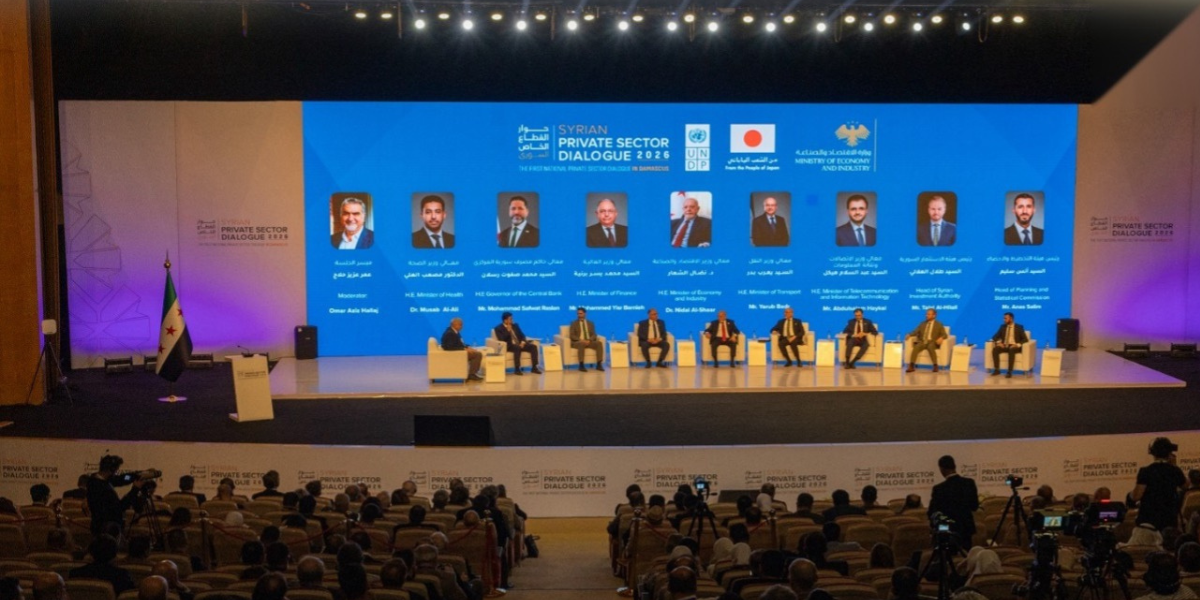
Financing Syria's Recovery: The EU and a Fragile Economic Opening
financing-syrias-recovery-the-eu-and-a-fragile-economic-opening
Briefing
Global Economy
August 12, 2026
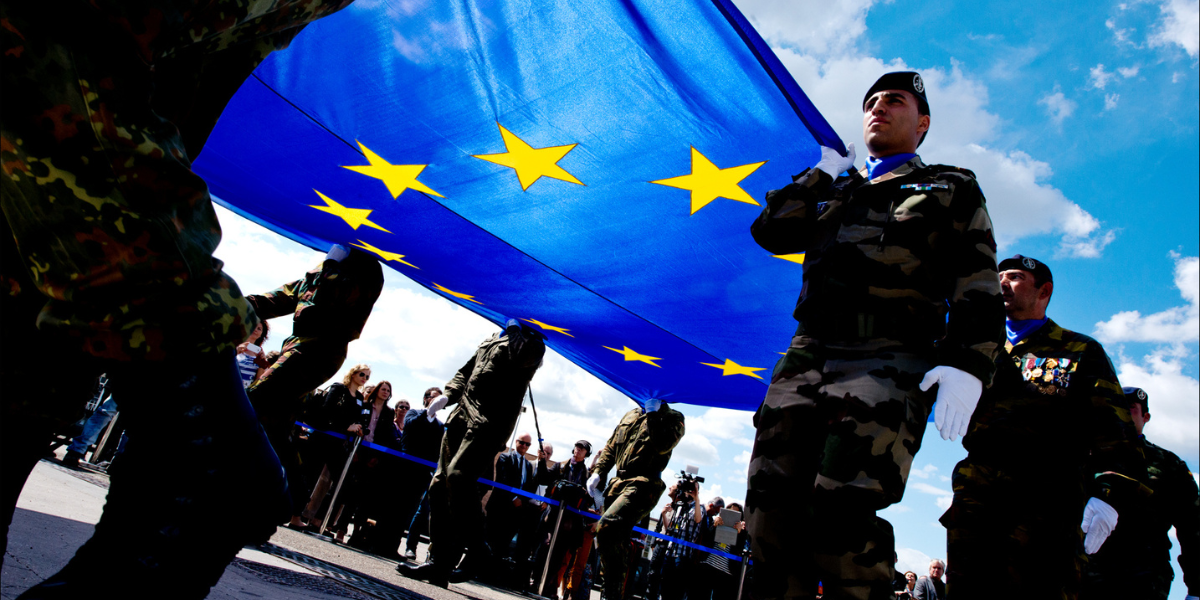
European Defence: The European Union Framework as a Dead End
european-defence-the-european-union-framework-as-a-dead-end
Briefing
Peace and Security
July 22, 2026
The New Development Bank Joins the Shift Towards Nuclear Energy Financing
the-new-development-bank-joins-the-shift-towards-nuclear-energy-financing
Commentary
Global Economy
July 13, 2026
.png)
An Issue Area Approach to Defending Global Governance
an-issue-area-approach-to-defending-global-governance
Briefing
Peace and Security
July 2, 2026

Europe’s Defence Supply Chains Need Africa and the Global South
europes-defence-supply-chains-need-africa-and-the-global-south
Commentary
Global Economy
June 12, 2026

Retrenchment as Policy Failure: Aid Cuts, the Post-UNITAMS Vacuum, and Sudan's Civilian Crisis
retrenchment-as-policy-failure-aid-cuts-the-post-unitams-vacuum-and-sudans-civilian-crisis
Briefing
Peace and Security
May 28, 2026
The Illusion of AI Sovereignty: Mapping the Five-Layer AI Stack
the-illusion-of-ai-sovereignty-mapping-the-five-layer-ai-stack
Commentary
AI Governance
May 15, 2026

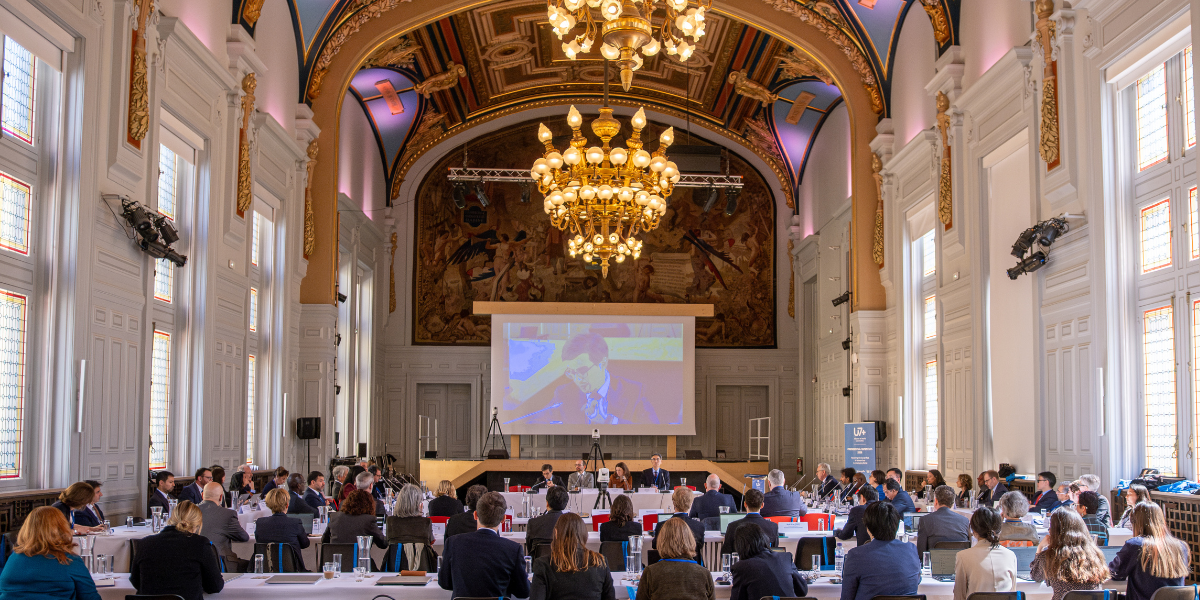
Towards a Science for Diplomacy? The U7+ Alliance and the Strategic Repositioning of Universities in Global Governance
towards-a-science-for-diplomacy-the-u-7-alliance-and-the-strategic-repositioning-of-universities-in-global-governance
Commentary
Global Education
April 27, 2026
The Capability Overhang: Cognition and Labor in the Age of AI
the-capability-overhang-cognition-and-labor-in-the-age-of-ai
Commentary
AI Governance
April 9, 2026
.png)
The UN80 Initiative as a Productive Failure: Between Geopolitical Disruptions and Organizational Path Dependency
the-un80-initiative-as-a-productive-failure-between-geopolitical-disruptions-and-organizational-path-dependency
Analysis
Peace and Security
March 31, 2026

Quo Vadis EU-UN Relations in Peace and Security? Evolution, Challenges and Adaptation
quo-vadis-eu-un-relations-in-peace-and-security-evolution-challenges-and-adaptation
Briefing
Peace and Security
February 27, 2026
Higher Education at a Crossroads: Why Europe’s Universities Must Lead, Not Merely Comply
higher-education-at-a-crossroads-why-europes-universities-must-lead-not-merely-comply
Commentary
Global Education
February 23, 2026

What Comes After the US-Israel Strikes on the Islamic Republic?
what-comes-after-the-us-israel-strikes-on-the-islamic-republic
Commentary
Peace and Security
December 19, 2025

Do You Know What’s in Your Skies? Emerging Challenges for Civil Aviation Governance
do-you-know-whats-in-your-skies-emerging-challenges-for-civil-aviation-governance
Commentary
AI Governance
December 18, 2025
Knowledge creation in times of scarce resources in higher education
knowledge-creation-in-times-of-scarce-resources-in-higher-education
Commentary
Global Education
November 10, 2025

Justice-Ready Digital Public Infrastructure: Building a Third Layer of Trust for Democratic Resilience
justice-ready-digital-public-infrastructure-building-a-third-layer-of-trust-for-democratic-resilience
Briefing
AI Governance
October 23, 2025

Is a Greener Future for AI Possible?
is-a-greener-future-for-ai-possible
Commentary
AI Governance
October 20, 2025
Silencing Dissent: How the Tech Backlash Threatens Transitional Justice
silencing-dissent-how-the-tech-backlash-threatens-transitional-justice
Commentary
AI Governance
October 2, 2025

Holding NATO Together and Keeping the US Engaged: Strategic Implications of the Hague Summit
holding-nato-together-and-keeping-the-us-engaged-strategic-implications-of-the-hague-summit
Analysis
Peace and Security
September 9, 2025

Reforming the UN during a financial crisis: a foreseeable failure to align money, mandates, and majorities?
reforming-the-un-during-a-financial-crisis-a-foreseeable-failure-to-align-money-mandates-and-majorities
Briefing
Peace and Security
July 9, 2025

How do we measure the quality of education?
how-do-we-measure-the-quality-of-education
Commentary
Global Education
April 28, 2025

Bound to Fail? The Limits of Diplomacy in the Russia–Ukraine War and the Future of European Security
bound-to-fail-the-limits-of-diplomacy-in-the-russia-ukraine-war-and-the-future-of-european-security
Commentary
Peace and Security
April 8, 2025

A major shift in global higher education is underway: why collective leadership and governance are more important than ever
a-major-shift-in-global-higher-education-is-underway-why-collective-leadership-and-governance-are-more-important-than-ever
Commentary
Global Education
March 26, 2025

AI's Fast-Forward Button: Can We Harness Innovation Without Sacrificing Safety?
ais-fast-forward-button-can-we-harness-innovation-without-sacrificing-safety
Commentary
AI Governance
March 10, 2025
Parliaments in the EU enlargement process: Strengthening capacities of accession country parliaments under the evolving enlargement methodology
parliaments-in-the-eu-enlargement-process-strengthening-capacities-of-accession-country-parliaments-under-the-evolving-enlargement-methodology
Report
Democracy and Human Rights
January 30, 2025
%20(1200%20x%20600%20px)%20(1200%20x%20400%20px).png)
Synthetic Biology and the Future of Global Environmental Governance
synthetic-biology-and-the-future-of-global-environmental-governance
Analysis
Global Environmental Governance
January 28, 2025

Towards a Global Agency for Governing Artificial General Intelligence: Challenges and Perspectives
towards-a-global-agency-for-governing-artificial-general-intelligence-challenges-and-perspectives
Report
AI Governance
January 14, 2025

Normalizing Russia can become Trump’s biggest mistake, but it’s not too late to prevent it
normalizing-russia-can-become-trumps-biggest-mistake-but-its-not-too-late-to-prevent-it
Commentary
Peace and Security
January 13, 2025

Stabilizing Europe’s Security Architecture after the Russo-Ukraine War? The Future of Conventional Arms Control in Europe
stabilizing-europes-security-architecture-after-the-russo-ukraine-war-the-future-of-conventional-arms-control-in-europe
Briefing
Peace and Security
November 20, 2024

INTERPOL: Challenges and Opportunities for the New Secretary General
interpol-challenges-and-opportunities-for-the-new-secretary-general
Commentary
Peace and Security
November 7, 2024

A Fork in the Road? The Kazan Summit of the BRICS
a-fork-in-the-road-the-kazan-summit-of-the-brics
Briefing
Peace and Security
October 30, 2024

UN Summit of the Future and Development: The Way Forward
un-summit-of-the-future-and-development-the-way-forward
Briefing
AI Governance
October 24, 2024
ECOWAS after the ‘Triple Withdrawal’ and the creation of the Alliance of Sahel States
ecowas-after-the-triple-withdrawal-and-the-creation-of-the-alliance-of-sahel-states-challenges-and-ways-ahead-for-regional-security-governance
Analysis
Peace and Security
October 7, 2024
Rushing to Peace, Racing to War: The Challenge of a Just Settlement
rushing-to-peace-racing-to-war-the-challenge-of-a-just-settlement
Commentary
Peace and Security
September 30, 2024
UN Summit of the Future: A Critical Moment for Global AI Governance
un-summit-of-the-future-a-critical-moment-for-global-ai-governance
Commentary
AI Governance
September 20, 2024

Shattered Security: Gender And Coups In Guinea, Mali, And Burkina Faso
shattered-security-gender-and-coups-in-guinea-mali-and-burkina-faso
Briefing
Peace and Security
June 26, 2024
Before the Peace Summit: Testing Multilateralism and Ukrainian Diplomacy
before-the-peace-summit-testing-multilateralism-and-ukrainian-diplomacy
Commentary
Peace and Security
June 14, 2024
The On-Going Quest for Teaching Excellence
the-on-going-quest-for-teaching-excellence
Commentary
Global Education
June 11, 2024

Deepening EU-Japan-US Cooperation on Critical and Emerging Technologies
deepening-eu-japan-us-cooperation-on-critical-and-emerging-technologies
Commentary
AI Governance
May 7, 2024
UNRWA’s Funding Freeze was Unjustified and Undermined Good Governance
unrwas-funding-freeze-was-unjustified-and-undermined-good-governance
Briefing
Democracy and Human Rights
April 25, 2024

Israel’s Non-implementation of the ICJ’s Provisional Measures: International Law Must Be Upheld
israels-non-implementation-of-the-icjs-provisional-measures-international-law-must-be-upheld
Briefing
Democracy and Human Rights
April 2, 2024

The EU AI Act: two steps forward, one step back
the-eu-ai-act-two-steps-forward-one-step-back
Briefing
AI Governance
March 19, 2024

The Council of Europe’s draft AI Treaty: balancing national security, innovation and human rights?
the-council-of-europes-draft-ai-treaty-balancing-national-security-innovation-and-human-rights
Commentary
AI Governance
March 18, 2024
The Ukrainian Peace Formula: content, evolution and diplomatic outreach
the-ukrainian-peace-formula-content-evolution-and-diplomatic-outreach
Analysis
Peace and Security
February 26, 2024
What developments in AI tell us about the future of governance models
what-developments-in-ai-tell-us-about-the-future-of-governance-models
Commentary
AI Governance
February 21, 2024

Whither the Global Governance of Protecting Civilians? An Initial Assessment of the ICJ’s Decision on South Africa v. Israel of 26 January 2024
whither-the-global-governance-of-protecting-civilians-an-initial-assessment-of-the-icjs-decision-on-south-africa-v-israel-of-26-january-2024
Analysis
Democracy and Human Rights
February 14, 2024
How Ukraine uses AI to fight Russian information operations
how-ukraine-uses-ai-to-fight-russian-information-operations
Commentary
AI Governance
February 12, 2024

Got trust? Global governance of emerging technologies
got-trust-global-governance-of-emerging-technologies
Commentary
AI Governance
November 28, 2023

Last minute national objections to the EU’s AI Act are a mistake. Here’s why
rolling-back-the-ai-act-is-a-mistake-heres-why
Commentary
AI Governance
November 27, 2023

Contributions of Latin America and the Caribbean to UN Peace Operations and Recommendations to Increase this Participation
new-ggi-advice-report-latin-american-and-caribbean-countries-contributions-to-un-peacekeeping
Report
Peace and Security
October 12, 2023
Armed Conflict in Nagorno-Karabakh: Crisis, Exodus, and Ethnic Cleansing
armed-conflict-in-nagorno-karabakh-crisis-exodus-and-ethnic-cleansing
Briefing
Peace and Security
October 9, 2023

Thinking of Eloho – One Year On
thinking-of-eloho-one-year-on
Commentary
Peace and Security
August 12, 2023
The Strategic Compass and the EU's Security & Defence Partnerships
the-strategic-compass-implementing-the-partnership-dimension-in-the-area-of-security-and-defence
Report
Peace and Security
July 23, 2023

Franco-German Perspectives: Europe's Moment of Geopolitics
franco-german-perspectives-europes-moment-of-geopolitics
Commentary
Peace and Security
June 2, 2023
A Comprehensive Mapping of National Higher Education Teaching Qualification schemes, Requirements and Provisions for the Promotion and Reward of Teaching Excellence
a-comprehensive-mapping-of-national-higher-education-teaching-qualification-schemes-requirements-and-provisions-for-the-promotion-and-reward-of-teaching-excellence
Report
Global Education
June 1, 2023

Stefaan de Rynck 'Inside the deal: How the EU got Brexit Done'
stefaan-de-ryncks-inside-the-deal-how-the-eu-got-brexit-done
Commentary
Global Education
April 5, 2023
NATO Allies and the Protection of Civilians
nato-allies-and-the-protection-of-civilians
Analysis
Peace and Security
January 11, 2023
Why Jettison Erasmus? The negative consequences for the UK of walking away
why-jettison-erasmus
Commentary
Global Education
January 1, 2021

Doing less with more? The difficult return of Western troop contributing countries to UN Peacekeeping
doing-less-with-more
Analysis
Peace and Security
November 2, 2020
The European Union's Role in International Economic Fora – Paper 4: The IMF
the-european-unions-role-in-international-economic-fora-paper-4-the-imf
Report
Global Economy
September 1, 2015
Civil Society Reforms in Uzbekistan: More than Government Chicanery?
civil-society-reforms-in-uzbekistan-more-than-government-chicanery
Briefing
Peace and Security
January 1, 2014
Assessing the EU’s Joint Communication on the Comprehensive Approach: Implications for EU Crisis Response and Conflict Prevention
assessing-the-eus-joint-communication-on-the-comprehensive-approach
Briefing
Peace and Security
December 15, 2013
The EU Foreign Policy of My Dreams: Ten Wishes
the-eu-foreign-policy-of-my-dreams-ten-wishes
Views from Practice
Peace and Security
December 12, 2013
The Middle East as weapons of mass destruction free zone: A proposal to overcome the deadlock
the-middle-east-as-weapons-of-mass-destruction-free-zone-a-proposal-to-overcome-the-deadlock
Views from Practice
Peace and Security
October 15, 2013
From a Militarized to a Humanized Responsibility to Protect
from-a-militarized-to-a-humanized-responsibility-to-protect-integrating-the-red-cross-and-red-crescent-into-rtop-to-respond-to-natural-disasters-and-global-climate-change
Analysis
Global Environmental Governance
June 1, 2013
Leading the Peacebuilding Commission: An Institutional History in the Making
leading-the-peacebuilding-commission-an-institutional-history-in-the-making
Views from Practice
Peace and Security
March 1, 2013
Anticipating the “Final” Arms Trade Treaty Conference: Eight Concrete Proposals
anticipating-the-final-arms-trade-treaty-conference-eight-concrete-proposals
Analysis
Peace and Security
February 1, 2013

Report for the Inquiry into the European External Action Service – EU sub-committee on External Affairs of the House Of Lords
report-for-the-inquiry-into-the-european-external-action-service---eu-sub-committee-on-external-affairs-of-the-house-of-lords
Briefing
Peace and Security
December 1, 2012
Government and the Process of Governance in Africa
government-and-the-process-of-governance-in-africa
Analysis
Peace and Security
November 1, 2012

The Responsibility to Protect and the Responsibility while Protecting: Friends or Foes?
the-responsibility-to-protect-and-the-responsibility-while-protecting-friends-or-foes
Analysis
Democracy and Human Rights
September 15, 2012

Montenegro’s Accession To The EU: Taking Stock And Suggesting Areas For Progress
montenegros-accession-to-the-eu-taking-stock-and-suggesting-areas-for-progress
Briefing
Democracy and Human Rights
August 1, 2012

Electing Freedom? Key Challenges For Libya After The 7 July 2012 Election
electing-freedom-key-challenges-for-libya-after-the-7-july-2012-election
Briefing
Peace and Security
August 1, 2012

The Somali Crisis and the EU: Moving Onshore and Committing to Somalia
the-somali-crisis-and-the-eu-moving-onshore-and-committing-to-somalia
Analysis
Peace and Security
July 1, 2012
United Nations - European Union Cooperation in the Field of Peacekeeping: Challenges and Prospects
united-nations-european-union-cooperation-in-the-field-of-peacekeeping-challenges-and-prospects
Analysis
Peace and Security
June 1, 2012
Widening The Huntress’s Reach: Legal And Strategic Aspects Of A New Atalanta Mandate
legal-and-strategic-aspects-of-a-new-atalanta-mandate
Briefing
Democracy and Human Rights
April 15, 2012

The Biological Weapons Convention, Bioterrorism And The Life Sciences
the-biological-weapons-convention-bioterrorism-and-the-life-sciences
Briefing
Peace and Security
April 1, 2012

A Democratic Justification for Military and Non-military Humanitarian Intervention
a-democratic-justification-for-military-and-non-military-humanitarian-interventions
Analysis
Democracy and Human Rights
April 1, 2012

Climate Change and Security: Adapting the Discussion to the Evidence
climate-change-and-security
Briefing
Global Environmental Governance
March 15, 2012

The United Nations Entity for Gender Equality and the Empowerment of Women (UN Women)
the-united-nations-entity-for-gender-equality-and-the-empowerment-of-women-un-women
Backgrounder
Peace and Security
September 1, 2011

The International Criminal Court and Kenya’s Post-election Violence
the-international-criminal-court-and-kenyas-post-election-violence
Analysis
Democracy and Human Rights
July 15, 2011

The United Nations Peacebuilding Architecture: Background Note
the-united-nations-peacebuilding-architecture-background-note
Briefing
Peace and Security
March 1, 2011
European Civilian Crisis Management Capacities: Bridging The Resources Gap?
european-civilian-crisis-management-capacities-bridging-the-resources-gap
Briefing
Peace and Security
January 15, 2011

The Changing Constellation of Power and Resistance in the Global Debate over Agrofuels
the-changing-constellation-of-power-and-resistance-in-the-global-debate-over-agrofuels
Analysis
Global Environmental Governance
January 1, 2011