The history of technology is often told through the lens of latency or the gap between an invention and its eventual integration into the productivity statistics of a nation. As economist Robert Solow famously remarked in 1987, “you can see the computer age everywhere but in the productivity statistics”. Eventually, he was proven wrong; it took fifteen years for organizational change to catch up with technical capability.
Today, we are navigating a similar, albeit more rapid, phenomenon: the “capability overhang.” This is a precarious period where AI models possess the technical ability to execute complex tasks, yet our businesses, schools, and regulatory bodies lack the institutional safeguards and implementation roadmaps to leverage them. As discussed in the first of a three-part miniseries on the Global Governance Institute’s State of the Globe podcast, this overhang is not merely a technical glitch; it is a governance crisis that threatens the very foundations of how we learn and work.
In standard economic forecasting, we focus on the median scenario or the most likely outcome. Most current models suggest that AI will result in incremental productivity gains without a total labor collapse. However, recent research from institutions like the Forecasting Research Institute suggests a 14% probability of an "extremely rapid acceleration" scenario, a "black swan event" where AI capabilities outpace human adaptation so quickly that it triggers systemic economic instability.
In any other industry, a 14% risk of total failure would be grounds for an immediate grounding of the fleet. If a commercial aircraft had a 14% chance of crashing, no passenger would board. Yet, in the realm of AI governance, we remain largely focused on the smooth flight scenario. Effective global governance requires us to shift our focus toward these tail risks. We must build social safety nets and regulatory frameworks not for the average day, but for the day the math breaks.
Perhaps the most insidious risk of the capability overhang is what I term the "cognitive atrophy trap." AI is a magnifier of existing trends. In higher education, it is magnifying a decades-long shift toward transactional learning. We are witnessing a surge in "cognitive offloading," where students outsource writing and research to Large Language Models (LLMs).
The danger here is not just academic dishonesty; it is the erosion of procedural memory. The "struggle" of writing an essay (i.e., the hours spent in a library synthesizing conflicting arguments) is not a bug in the education system; it is the feature. The struggle is the learning. When we remove the friction of thinking, we weaken the mental muscles required for critical evaluation. If a generation of students never learns to construct an original argument, they will lack the critical thinking necessary to serve as the "human-in-the-loop" that AI systems require to remain accurate and ethical.
In the labor market, the capability overhang manifests as a shift from "AI washing" to a silent "hiring freeze." While many recent high-profile layoffs have been blamed on AI, they are often a form of "AI washing," masking traditional cost-cutting or pandemic-era over-hiring.
The more immediate, yet less discussed, threat is the AI-induced hiring freeze at the entry level. As agentic AI begins to handle the tasks an intern or entry-level worker would normally do (e.g., basic coding, legal research, administrative drafting, etc.) the incentive for firms to hire juniors diminishes. This creates a "seniority trap." If we stop hiring entry-level workers because an AI agent is more efficient, we destroy the pipeline of talent. In the not too distant future, we will face a structural deficit of senior partners and experts.
How does our education system respond to these shifts? The answer may lie in a return to ancient roots or to ancient Greece, to be more precise, and to the "Socratic method." As routine cognitive tasks become commoditized, the value of the human worker will shift back to the human-centric, transferable skills that the Finnish government called the "Four Cs of Innovation": critical thinking, creativity, collaboration, and communication.
We may see a two-tier education system emerge. On one hand, a mass-market, AI-augmented model focused on efficiency. On the other, a return to the "Socratic Method": small-group, device-free, deep-thinking environments where the goal is not to produce an output, but to nurture the cognitive resilience of the next generation of “deep thinkers”. In the age of AI, the ultimate competitive advantage will be the ability to ask the right questions, a skill that cannot be developed through copy-pasting, but only through human-led dialogue.
The current direction of flight is not a given. We have a narrow window to nudge society toward a more positive outcome. This requires a level of "situational awareness" that transcends individual ministries or corporate boardrooms.
Governance cannot be left to the market. We need civil society leaders and policymakers to realize that AI is not just another tool; it is a fundamental rewrite of the social contract, requiring us to reimagine the traditional link between labor, income, and human dignity. Whether we use this "capability overhang" to build a new Renaissance of human creativity or fall into a trap of economic and cognitive decline depends entirely on the governance frameworks we choose to build today.
David Timis is a Senior Fellow in AI Governance at the Global Governance Institute (GGI) and a manager at Generation.org. This commentary is based on the first episode of the GGI podcast miniseries "The Governance of AI."
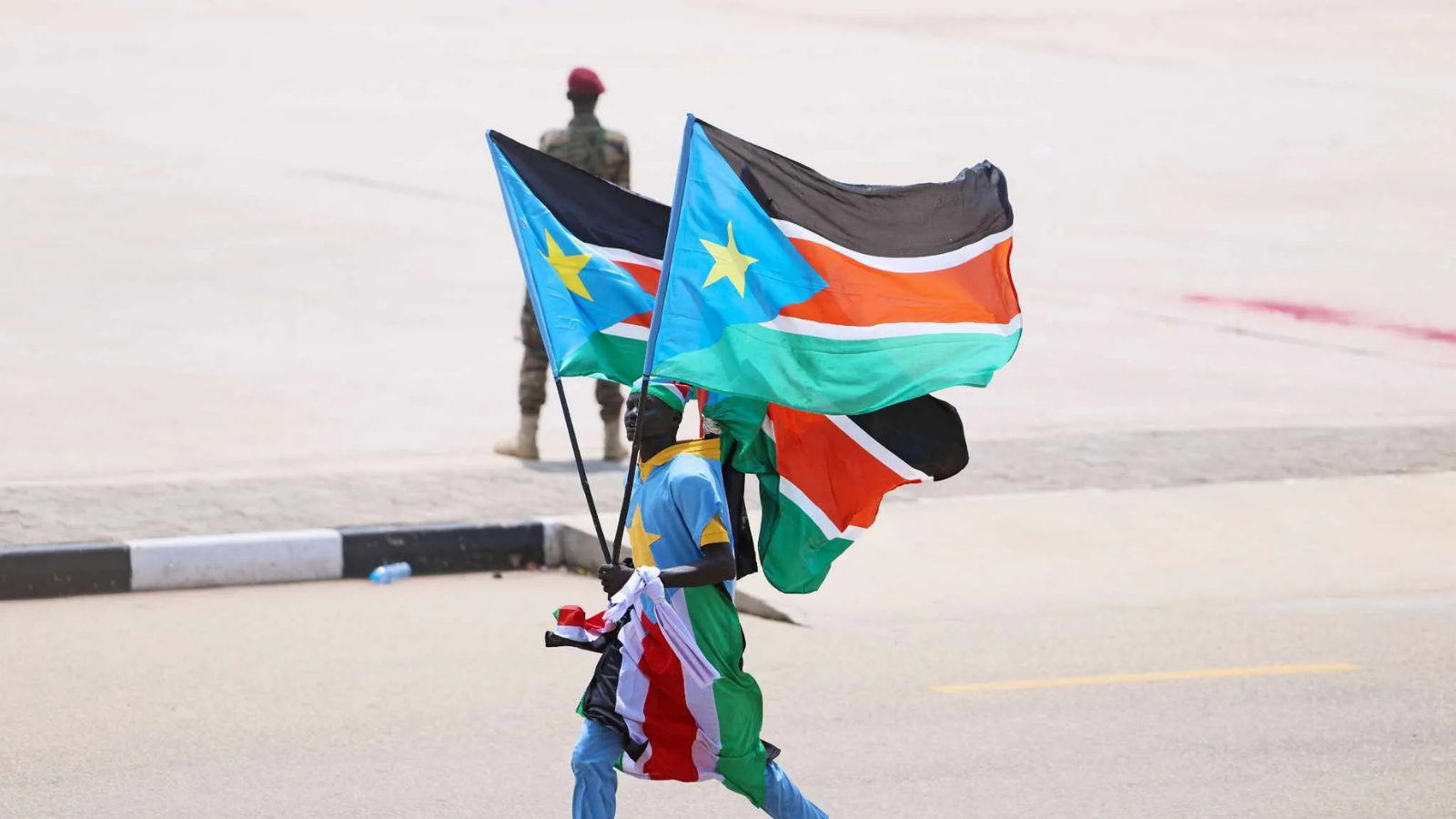
Is South Sudan Ready to Vote? Assessing the Prospects for a Credible Election in December 2026
is-south-sudan-ready-to-vote-assessing-the-prospects-for-a-credible-election-in-december-2026
Briefing
Peace and Security
September 28, 2026
Justice-Ready by Design: What the UN’s Work with Victims of Terrorism Reveals About Digital Public Infrastructure
justice-ready-by-design-what-the-uns-work-with-victims-of-terrorism-reveals-about-digital-public-infrastructure
Commentary
AI Governance
September 23, 2026

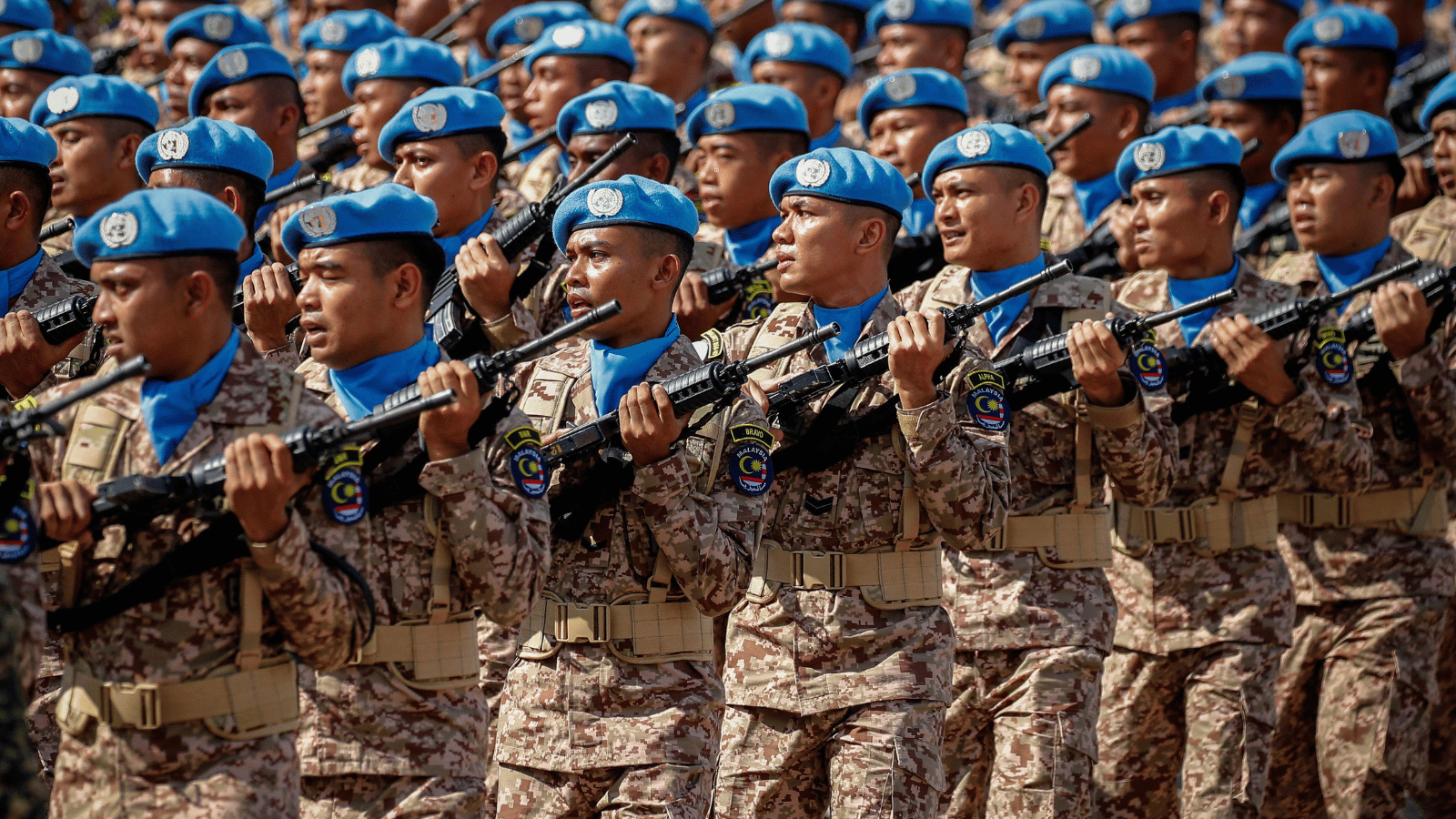
A Start, Not an End: Reflections on the Peace Operations Review Report
a-start-not-an-end-reflections-on-the-peace-operations-review-report
Analysis
Peace and Security
September 21, 2026
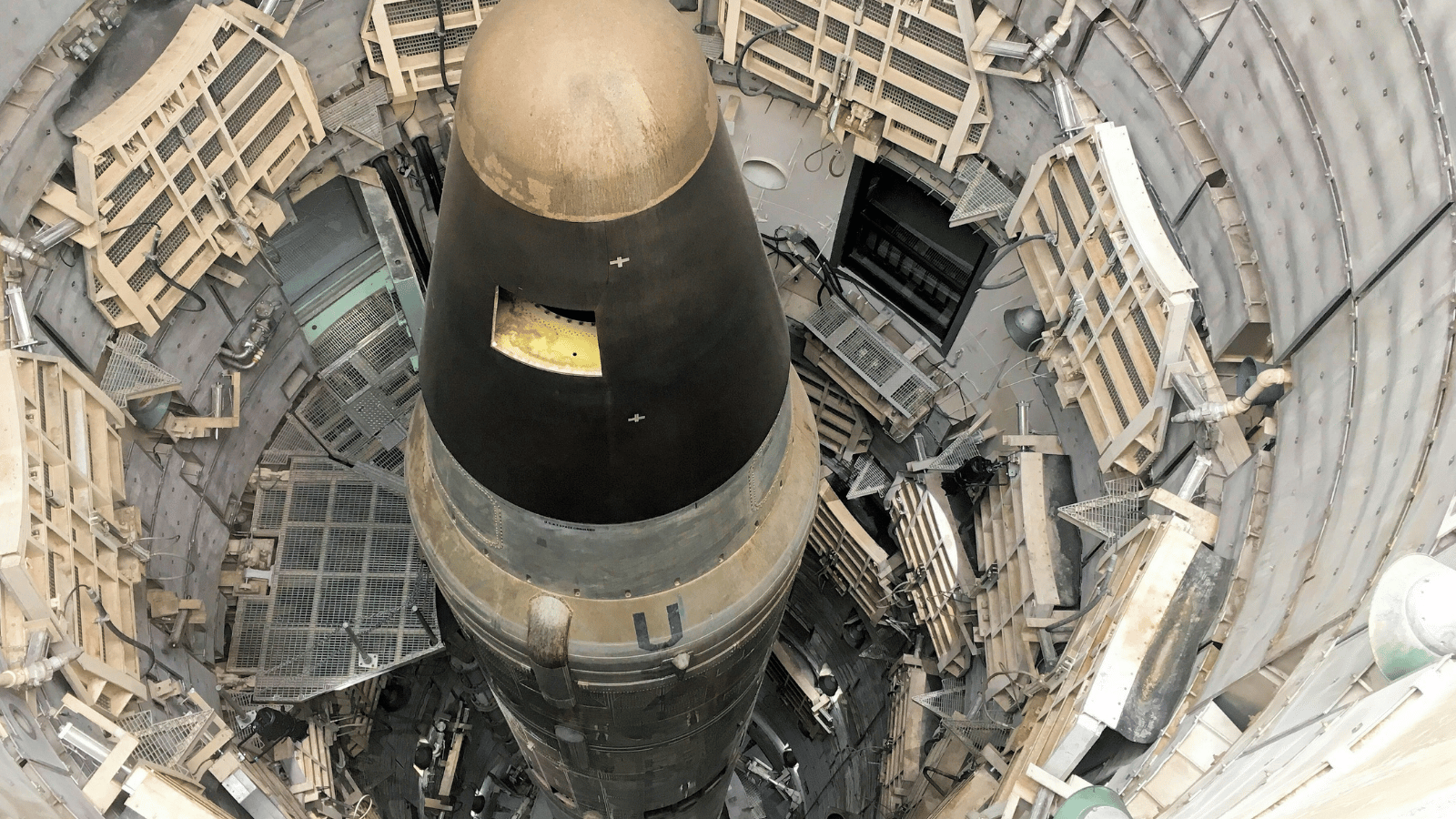
European Nuclear Arms and Arms Control in an Age of Uncertainty
european-nuclear-arms-and-arms-control-in-an-age-of-uncertainty
Analysis
Peace and Security
September 10, 2026
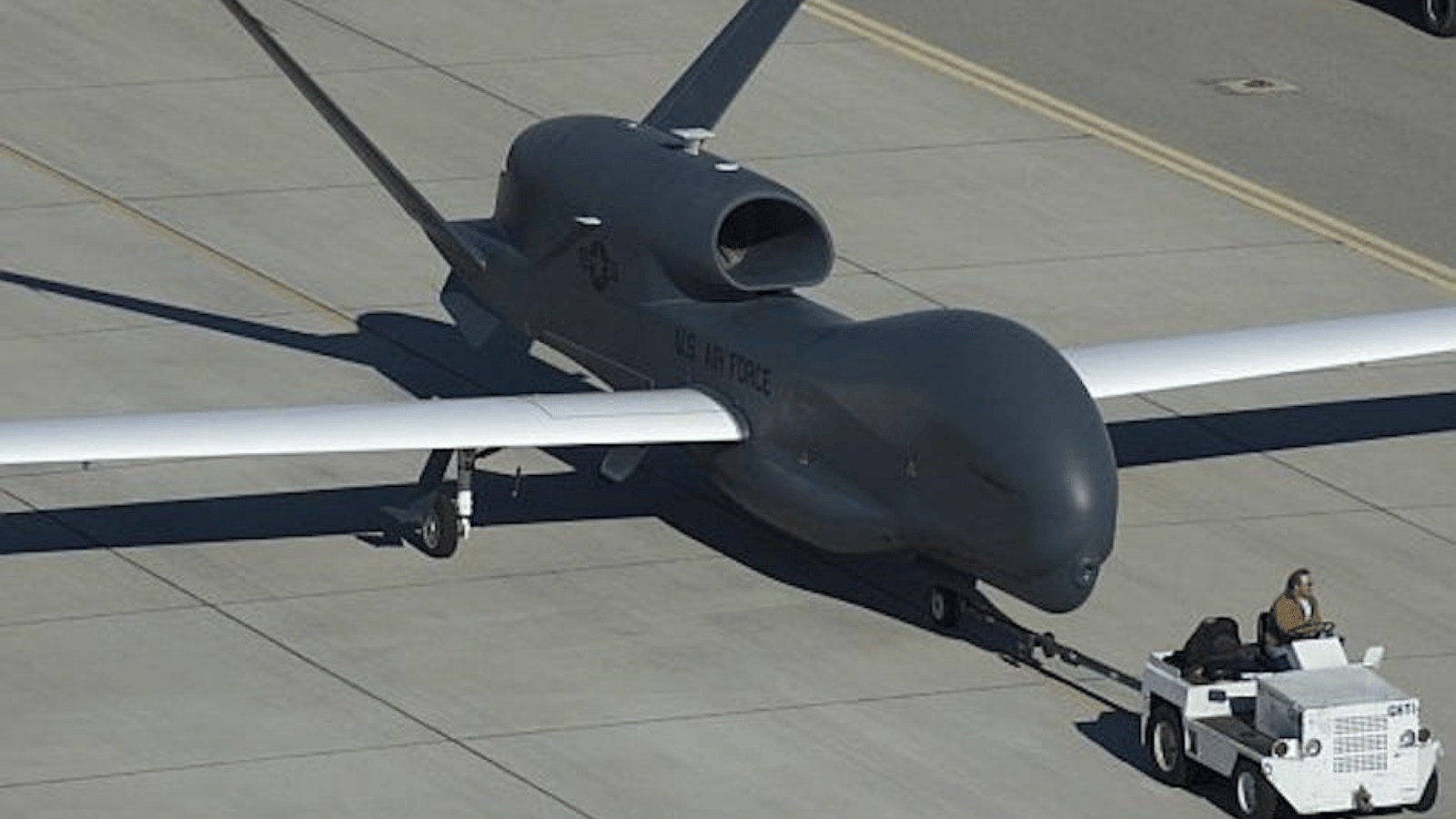
A Blueprint for the Global Governance of Autonomous Weapon Systems
a-blueprint-for-the-global-governance-of-autonomous-weapon-systems
Report
Peace and Security
August 28, 2026
AI, Sustainable Development and the Future of Education: A Governance Imperative
ai-sustainable-development-and-the-future-of-education-a-governance-imperative
Commentary
Global Education
August 17, 2026

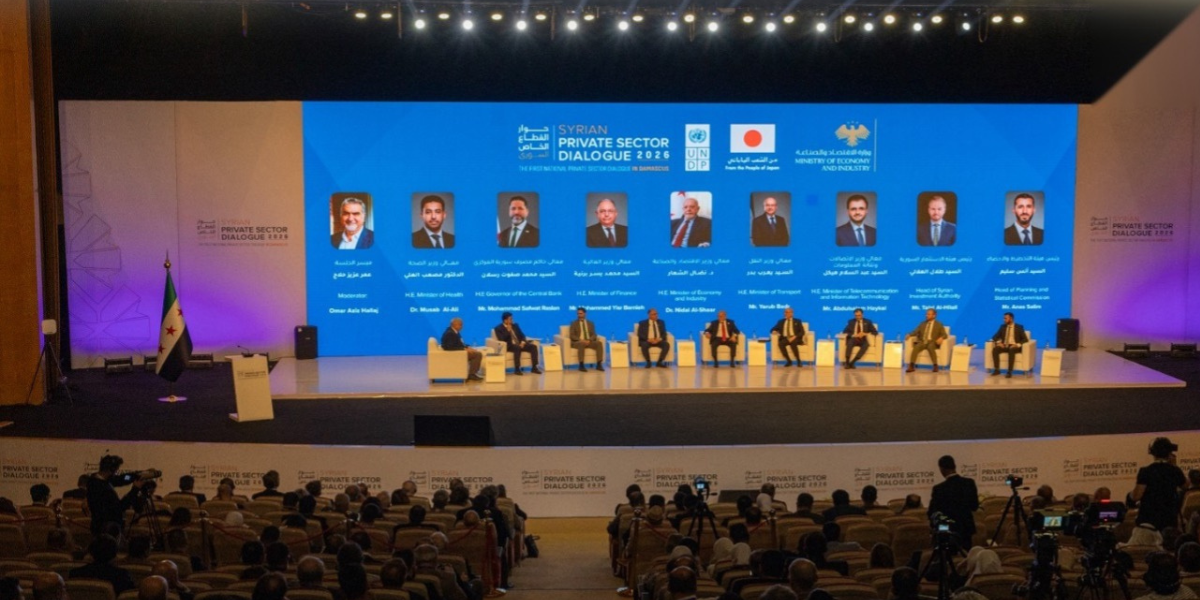
Financing Syria's Recovery: The EU and a Fragile Economic Opening
financing-syrias-recovery-the-eu-and-a-fragile-economic-opening
Briefing
Global Economy
August 12, 2026
European Defence: The European Union Framework as a Dead End
european-defence-the-european-union-framework-as-a-dead-end
Briefing
Peace and Security
July 22, 2026

The New Development Bank Joins the Shift Towards Nuclear Energy Financing
the-new-development-bank-joins-the-shift-towards-nuclear-energy-financing
Commentary
Global Economy
July 13, 2026
.png)
An Issue Area Approach to Defending Global Governance
an-issue-area-approach-to-defending-global-governance
Briefing
Peace and Security
July 2, 2026

Europe’s Defence Supply Chains Need Africa and the Global South
europes-defence-supply-chains-need-africa-and-the-global-south
Commentary
Global Economy
June 12, 2026

Retrenchment as Policy Failure: Aid Cuts, the Post-UNITAMS Vacuum, and Sudan's Civilian Crisis
retrenchment-as-policy-failure-aid-cuts-the-post-unitams-vacuum-and-sudans-civilian-crisis
Briefing
Peace and Security
May 28, 2026
The Illusion of AI Sovereignty: Mapping the Five-Layer AI Stack
the-illusion-of-ai-sovereignty-mapping-the-five-layer-ai-stack
Commentary
AI Governance
May 15, 2026

Towards a Science for Diplomacy? The U7+ Alliance and the Strategic Repositioning of Universities in Global Governance
towards-a-science-for-diplomacy-the-u-7-alliance-and-the-strategic-repositioning-of-universities-in-global-governance
Commentary
Global Education
April 27, 2026

The Capability Overhang: Cognition and Labor in the Age of AI
the-capability-overhang-cognition-and-labor-in-the-age-of-ai
Commentary
AI Governance
April 9, 2026
.png)
The UN80 Initiative as a Productive Failure: Between Geopolitical Disruptions and Organizational Path Dependency
the-un80-initiative-as-a-productive-failure-between-geopolitical-disruptions-and-organizational-path-dependency
Analysis
Peace and Security
March 31, 2026

Quo Vadis EU-UN Relations in Peace and Security? Evolution, Challenges and Adaptation
quo-vadis-eu-un-relations-in-peace-and-security-evolution-challenges-and-adaptation
Briefing
Peace and Security
February 27, 2026
Higher Education at a Crossroads: Why Europe’s Universities Must Lead, Not Merely Comply
higher-education-at-a-crossroads-why-europes-universities-must-lead-not-merely-comply
Commentary
Global Education
February 23, 2026

What Comes After the US-Israel Strikes on the Islamic Republic?
what-comes-after-the-us-israel-strikes-on-the-islamic-republic
Commentary
Peace and Security
December 19, 2025

Do You Know What’s in Your Skies? Emerging Challenges for Civil Aviation Governance
do-you-know-whats-in-your-skies-emerging-challenges-for-civil-aviation-governance
Commentary
AI Governance
December 18, 2025

Knowledge creation in times of scarce resources in higher education
knowledge-creation-in-times-of-scarce-resources-in-higher-education
Commentary
Global Education
November 10, 2025

Justice-Ready Digital Public Infrastructure: Building a Third Layer of Trust for Democratic Resilience
justice-ready-digital-public-infrastructure-building-a-third-layer-of-trust-for-democratic-resilience
Briefing
AI Governance
October 23, 2025

Is a Greener Future for AI Possible?
is-a-greener-future-for-ai-possible
Commentary
AI Governance
October 20, 2025

Silencing Dissent: How the Tech Backlash Threatens Transitional Justice
silencing-dissent-how-the-tech-backlash-threatens-transitional-justice
Commentary
AI Governance
October 2, 2025

Holding NATO Together and Keeping the US Engaged: Strategic Implications of the Hague Summit
holding-nato-together-and-keeping-the-us-engaged-strategic-implications-of-the-hague-summit
Analysis
Peace and Security
September 9, 2025

Reforming the UN during a financial crisis: a foreseeable failure to align money, mandates, and majorities?
reforming-the-un-during-a-financial-crisis-a-foreseeable-failure-to-align-money-mandates-and-majorities
Briefing
Peace and Security
July 9, 2025

How do we measure the quality of education?
how-do-we-measure-the-quality-of-education
Commentary
Global Education
April 28, 2025

Bound to Fail? The Limits of Diplomacy in the Russia–Ukraine War and the Future of European Security
bound-to-fail-the-limits-of-diplomacy-in-the-russia-ukraine-war-and-the-future-of-european-security
Commentary
Peace and Security
April 8, 2025

A major shift in global higher education is underway: why collective leadership and governance are more important than ever
a-major-shift-in-global-higher-education-is-underway-why-collective-leadership-and-governance-are-more-important-than-ever
Commentary
Global Education
March 26, 2025

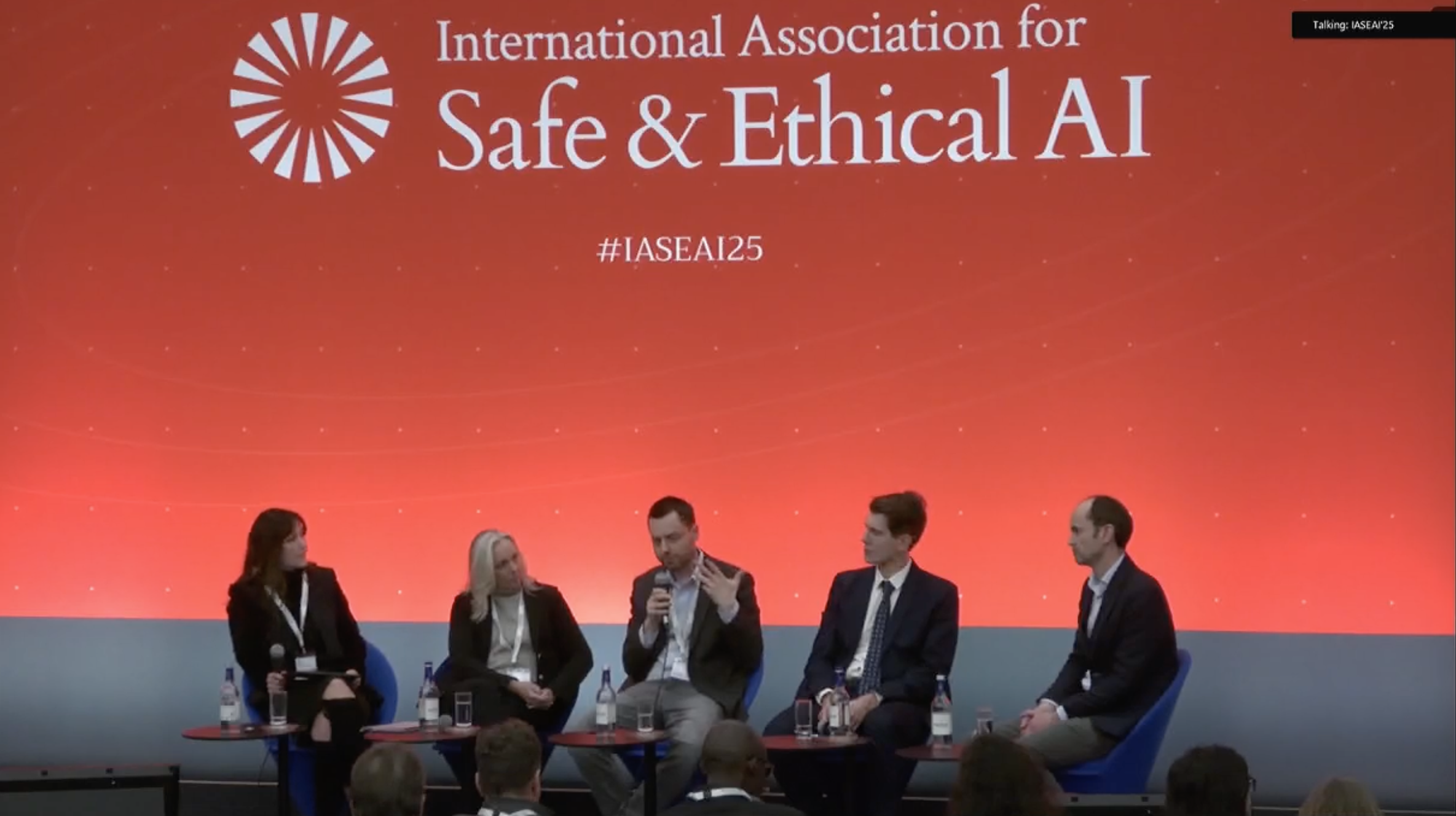
AI's Fast-Forward Button: Can We Harness Innovation Without Sacrificing Safety?
ais-fast-forward-button-can-we-harness-innovation-without-sacrificing-safety
Commentary
AI Governance
March 10, 2025
Parliaments in the EU enlargement process: Strengthening capacities of accession country parliaments under the evolving enlargement methodology
parliaments-in-the-eu-enlargement-process-strengthening-capacities-of-accession-country-parliaments-under-the-evolving-enlargement-methodology
Report
Democracy and Human Rights
January 30, 2025
%20(1200%20x%20600%20px)%20(1200%20x%20400%20px).png)
Synthetic Biology and the Future of Global Environmental Governance
synthetic-biology-and-the-future-of-global-environmental-governance
Analysis
Global Environmental Governance
January 28, 2025

Towards a Global Agency for Governing Artificial General Intelligence: Challenges and Perspectives
towards-a-global-agency-for-governing-artificial-general-intelligence-challenges-and-perspectives
Report
AI Governance
January 14, 2025

Normalizing Russia can become Trump’s biggest mistake, but it’s not too late to prevent it
normalizing-russia-can-become-trumps-biggest-mistake-but-its-not-too-late-to-prevent-it
Commentary
Peace and Security
January 13, 2025

Stabilizing Europe’s Security Architecture after the Russo-Ukraine War? The Future of Conventional Arms Control in Europe
stabilizing-europes-security-architecture-after-the-russo-ukraine-war-the-future-of-conventional-arms-control-in-europe
Briefing
Peace and Security
November 20, 2024

INTERPOL: Challenges and Opportunities for the New Secretary General
interpol-challenges-and-opportunities-for-the-new-secretary-general
Commentary
Peace and Security
November 7, 2024

A Fork in the Road? The Kazan Summit of the BRICS
a-fork-in-the-road-the-kazan-summit-of-the-brics
Briefing
Peace and Security
October 30, 2024

UN Summit of the Future and Development: The Way Forward
un-summit-of-the-future-and-development-the-way-forward
Briefing
AI Governance
October 24, 2024
ECOWAS after the ‘Triple Withdrawal’ and the creation of the Alliance of Sahel States
ecowas-after-the-triple-withdrawal-and-the-creation-of-the-alliance-of-sahel-states-challenges-and-ways-ahead-for-regional-security-governance
Analysis
Peace and Security
October 7, 2024
Rushing to Peace, Racing to War: The Challenge of a Just Settlement
rushing-to-peace-racing-to-war-the-challenge-of-a-just-settlement
Commentary
Peace and Security
September 30, 2024
UN Summit of the Future: A Critical Moment for Global AI Governance
un-summit-of-the-future-a-critical-moment-for-global-ai-governance
Commentary
AI Governance
September 20, 2024

Shattered Security: Gender And Coups In Guinea, Mali, And Burkina Faso
shattered-security-gender-and-coups-in-guinea-mali-and-burkina-faso
Briefing
Peace and Security
June 26, 2024
Before the Peace Summit: Testing Multilateralism and Ukrainian Diplomacy
before-the-peace-summit-testing-multilateralism-and-ukrainian-diplomacy
Commentary
Peace and Security
June 14, 2024

The On-Going Quest for Teaching Excellence
the-on-going-quest-for-teaching-excellence
Commentary
Global Education
June 11, 2024

Deepening EU-Japan-US Cooperation on Critical and Emerging Technologies
deepening-eu-japan-us-cooperation-on-critical-and-emerging-technologies
Commentary
AI Governance
May 7, 2024
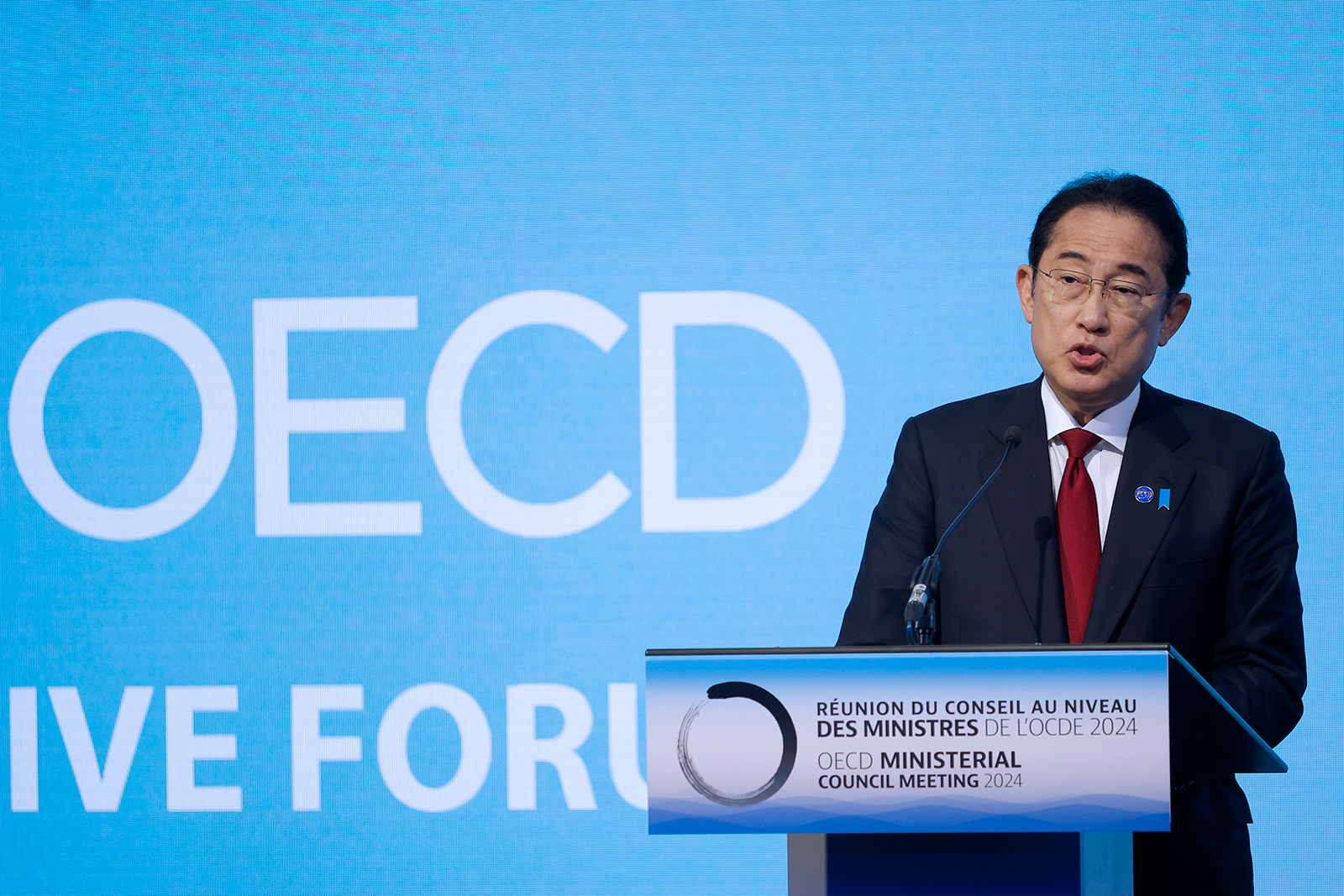
UNRWA’s Funding Freeze was Unjustified and Undermined Good Governance
unrwas-funding-freeze-was-unjustified-and-undermined-good-governance
Briefing
Democracy and Human Rights
April 25, 2024

Israel’s Non-implementation of the ICJ’s Provisional Measures: International Law Must Be Upheld
israels-non-implementation-of-the-icjs-provisional-measures-international-law-must-be-upheld
Briefing
Democracy and Human Rights
April 2, 2024

The EU AI Act: two steps forward, one step back
the-eu-ai-act-two-steps-forward-one-step-back
Briefing
AI Governance
March 19, 2024

The Council of Europe’s draft AI Treaty: balancing national security, innovation and human rights?
the-council-of-europes-draft-ai-treaty-balancing-national-security-innovation-and-human-rights
Commentary
AI Governance
March 18, 2024
The Ukrainian Peace Formula: content, evolution and diplomatic outreach
the-ukrainian-peace-formula-content-evolution-and-diplomatic-outreach
Analysis
Peace and Security
February 26, 2024
What developments in AI tell us about the future of governance models
what-developments-in-ai-tell-us-about-the-future-of-governance-models
Commentary
AI Governance
February 21, 2024

Whither the Global Governance of Protecting Civilians? An Initial Assessment of the ICJ’s Decision on South Africa v. Israel of 26 January 2024
whither-the-global-governance-of-protecting-civilians-an-initial-assessment-of-the-icjs-decision-on-south-africa-v-israel-of-26-january-2024
Analysis
Democracy and Human Rights
February 14, 2024
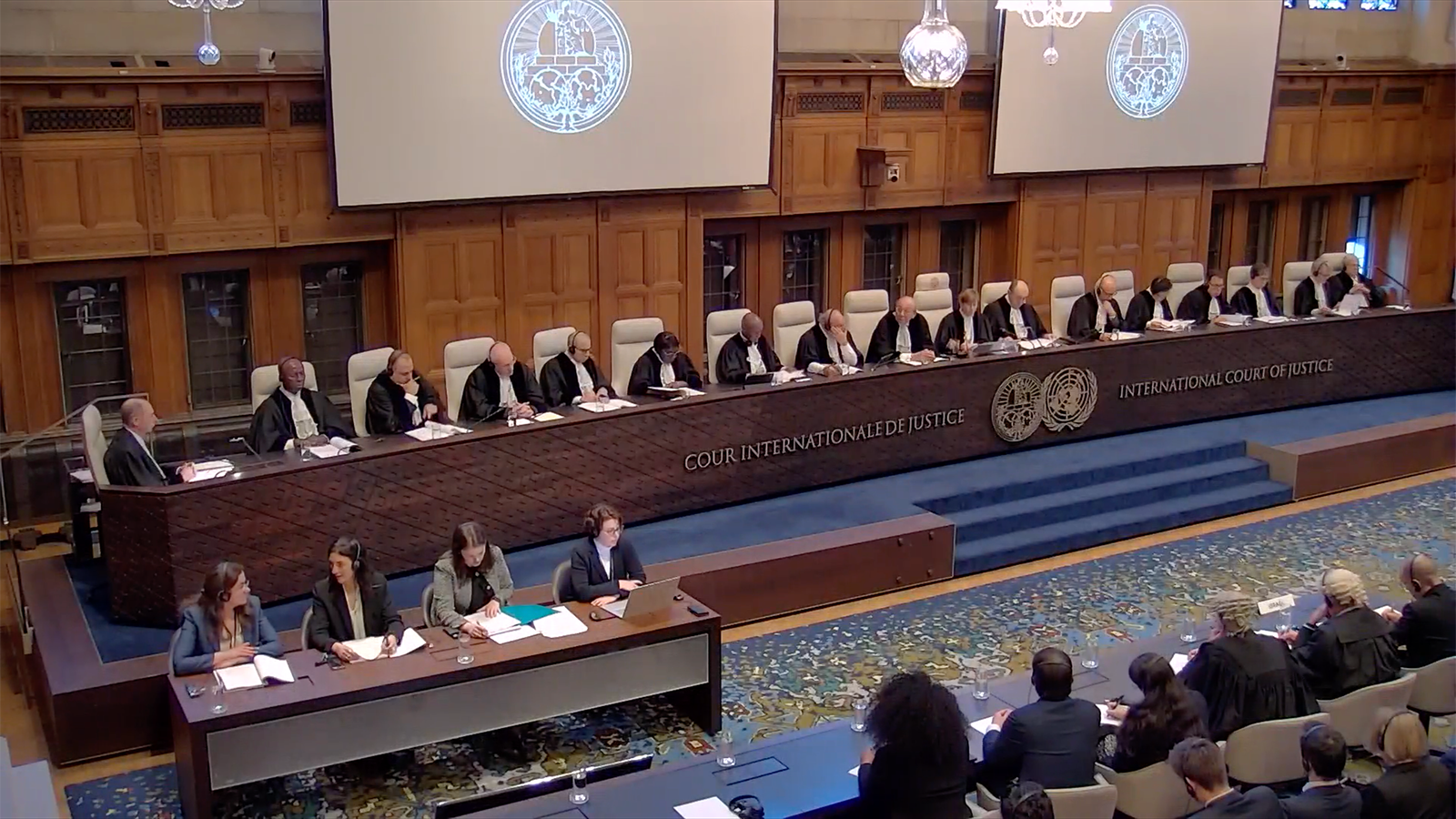
How Ukraine uses AI to fight Russian information operations
how-ukraine-uses-ai-to-fight-russian-information-operations
Commentary
AI Governance
February 12, 2024

Got trust? Global governance of emerging technologies
got-trust-global-governance-of-emerging-technologies
Commentary
AI Governance
November 28, 2023

Last minute national objections to the EU’s AI Act are a mistake. Here’s why
rolling-back-the-ai-act-is-a-mistake-heres-why
Commentary
AI Governance
November 27, 2023

Contributions of Latin America and the Caribbean to UN Peace Operations and Recommendations to Increase this Participation
new-ggi-advice-report-latin-american-and-caribbean-countries-contributions-to-un-peacekeeping
Report
Peace and Security
October 12, 2023
Armed Conflict in Nagorno-Karabakh: Crisis, Exodus, and Ethnic Cleansing
armed-conflict-in-nagorno-karabakh-crisis-exodus-and-ethnic-cleansing
Briefing
Peace and Security
October 9, 2023

Thinking of Eloho – One Year On
thinking-of-eloho-one-year-on
Commentary
Peace and Security
August 12, 2023
The Strategic Compass and the EU's Security & Defence Partnerships
the-strategic-compass-implementing-the-partnership-dimension-in-the-area-of-security-and-defence
Report
Peace and Security
July 23, 2023

Franco-German Perspectives: Europe's Moment of Geopolitics
franco-german-perspectives-europes-moment-of-geopolitics
Commentary
Peace and Security
June 2, 2023

A Comprehensive Mapping of National Higher Education Teaching Qualification schemes, Requirements and Provisions for the Promotion and Reward of Teaching Excellence
a-comprehensive-mapping-of-national-higher-education-teaching-qualification-schemes-requirements-and-provisions-for-the-promotion-and-reward-of-teaching-excellence
Report
Global Education
June 1, 2023

Stefaan de Rynck 'Inside the deal: How the EU got Brexit Done'
stefaan-de-ryncks-inside-the-deal-how-the-eu-got-brexit-done
Commentary
Global Education
April 5, 2023

NATO Allies and the Protection of Civilians
nato-allies-and-the-protection-of-civilians
Analysis
Peace and Security
January 11, 2023
Why Jettison Erasmus? The negative consequences for the UK of walking away
why-jettison-erasmus
Commentary
Global Education
January 1, 2021

Doing less with more? The difficult return of Western troop contributing countries to UN Peacekeeping
doing-less-with-more
Analysis
Peace and Security
November 2, 2020
The European Union's Role in International Economic Fora – Paper 4: The IMF
the-european-unions-role-in-international-economic-fora-paper-4-the-imf
Report
Global Economy
September 1, 2015
Civil Society Reforms in Uzbekistan: More than Government Chicanery?
civil-society-reforms-in-uzbekistan-more-than-government-chicanery
Briefing
Peace and Security
January 1, 2014
Assessing the EU’s Joint Communication on the Comprehensive Approach: Implications for EU Crisis Response and Conflict Prevention
assessing-the-eus-joint-communication-on-the-comprehensive-approach
Briefing
Peace and Security
December 15, 2013
The EU Foreign Policy of My Dreams: Ten Wishes
the-eu-foreign-policy-of-my-dreams-ten-wishes
Views from Practice
Peace and Security
December 12, 2013
The Middle East as weapons of mass destruction free zone: A proposal to overcome the deadlock
the-middle-east-as-weapons-of-mass-destruction-free-zone-a-proposal-to-overcome-the-deadlock
Views from Practice
Peace and Security
October 15, 2013

From a Militarized to a Humanized Responsibility to Protect
from-a-militarized-to-a-humanized-responsibility-to-protect-integrating-the-red-cross-and-red-crescent-into-rtop-to-respond-to-natural-disasters-and-global-climate-change
Analysis
Global Environmental Governance
June 1, 2013

Leading the Peacebuilding Commission: An Institutional History in the Making
leading-the-peacebuilding-commission-an-institutional-history-in-the-making
Views from Practice
Peace and Security
March 1, 2013
Anticipating the “Final” Arms Trade Treaty Conference: Eight Concrete Proposals
anticipating-the-final-arms-trade-treaty-conference-eight-concrete-proposals
Analysis
Peace and Security
February 1, 2013

Report for the Inquiry into the European External Action Service – EU sub-committee on External Affairs of the House Of Lords
report-for-the-inquiry-into-the-european-external-action-service---eu-sub-committee-on-external-affairs-of-the-house-of-lords
Briefing
Peace and Security
December 1, 2012
Government and the Process of Governance in Africa
government-and-the-process-of-governance-in-africa
Analysis
Peace and Security
November 1, 2012

The Responsibility to Protect and the Responsibility while Protecting: Friends or Foes?
the-responsibility-to-protect-and-the-responsibility-while-protecting-friends-or-foes
Analysis
Democracy and Human Rights
September 15, 2012

Montenegro’s Accession To The EU: Taking Stock And Suggesting Areas For Progress
montenegros-accession-to-the-eu-taking-stock-and-suggesting-areas-for-progress
Briefing
Democracy and Human Rights
August 1, 2012

Electing Freedom? Key Challenges For Libya After The 7 July 2012 Election
electing-freedom-key-challenges-for-libya-after-the-7-july-2012-election
Briefing
Peace and Security
August 1, 2012

The Somali Crisis and the EU: Moving Onshore and Committing to Somalia
the-somali-crisis-and-the-eu-moving-onshore-and-committing-to-somalia
Analysis
Peace and Security
July 1, 2012

United Nations - European Union Cooperation in the Field of Peacekeeping: Challenges and Prospects
united-nations-european-union-cooperation-in-the-field-of-peacekeeping-challenges-and-prospects
Analysis
Peace and Security
June 1, 2012
Widening The Huntress’s Reach: Legal And Strategic Aspects Of A New Atalanta Mandate
legal-and-strategic-aspects-of-a-new-atalanta-mandate
Briefing
Democracy and Human Rights
April 15, 2012

The Biological Weapons Convention, Bioterrorism And The Life Sciences
the-biological-weapons-convention-bioterrorism-and-the-life-sciences
Briefing
Peace and Security
April 1, 2012

A Democratic Justification for Military and Non-military Humanitarian Intervention
a-democratic-justification-for-military-and-non-military-humanitarian-interventions
Analysis
Democracy and Human Rights
April 1, 2012

Climate Change and Security: Adapting the Discussion to the Evidence
climate-change-and-security
Briefing
Global Environmental Governance
March 15, 2012

The United Nations Entity for Gender Equality and the Empowerment of Women (UN Women)
the-united-nations-entity-for-gender-equality-and-the-empowerment-of-women-un-women
Backgrounder
Peace and Security
September 1, 2011

The International Criminal Court and Kenya’s Post-election Violence
the-international-criminal-court-and-kenyas-post-election-violence
Analysis
Democracy and Human Rights
July 15, 2011

The United Nations Peacebuilding Architecture: Background Note
the-united-nations-peacebuilding-architecture-background-note
Briefing
Peace and Security
March 1, 2011
European Civilian Crisis Management Capacities: Bridging The Resources Gap?
european-civilian-crisis-management-capacities-bridging-the-resources-gap
Briefing
Peace and Security
January 15, 2011

The Changing Constellation of Power and Resistance in the Global Debate over Agrofuels
the-changing-constellation-of-power-and-resistance-in-the-global-debate-over-agrofuels
Analysis
Global Environmental Governance
January 1, 2011