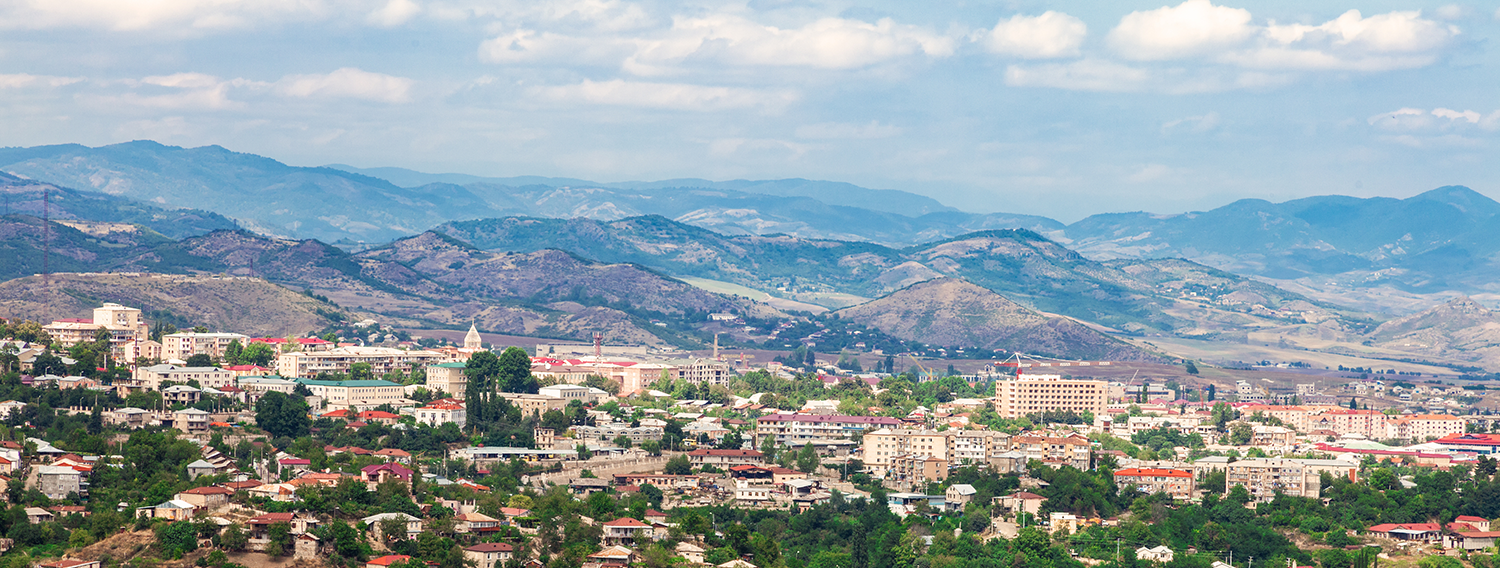
The mountainous region of Nagorno-Karabakh has been a source of ethnic conflict for centuries. At the end of the Soviet Union, this conflict took on a new intensity, as the various former Socialist Republics sought independence and territorial acquisition. The First (1988-1994) and Second (2020) Nagorno-Karabakh Wars were substantial in destabilizing the region and severing the long-term relational potential between Azerbaijan and Armenia. The most recent Azerbaijani military operation has resulted in the dissolution of Nagorno-Karabakh’s self-declared government, the Republic of Artsakh, and a regional humanitarian crisis due to the entire population of Nagorno-Karabakh fleeing.
The ongoing crisis poses numerous threats to the region’s stability and challenges to the international community. A humanitarian mission should be the immediate priority, ensuring that the roughly 100,000 Karabakh Armenians have access to basic food, shelter, and medical aid. Open communication and mediation between Azerbaijan and Armenia are also critical. Initial peace talks between Azerbaijan and Armenia, mediated by Germany, France and the President of the European Council, have not come to fruition, but this setback should not halt any future attempts at mediation. This recent episode of conflict and crisis also must bring the principle of the Responsibility to Protect to the forefront of regional and global responses to the conflict, as preventing similar conflicts in the future will require both the co-operation of individual states and effective responses from both regional and international organizations, including United Nations peace, security and humanitarian actors.
Nagorno-Karabakh: Decades of Armed Conflict
Armed conflict erupted once again over the violently contested Nagorno-Karabakh region, an enclave inhabited mostly by ethnic Armenians and located within the mountainous region of western Azerbaijan. On 19-20 September, Azerbaijan executed a 24-hour military campaign, resulting in the swift defeat of Armenian forces, triggering a potential humanitarian disaster for the region. The Karabakh Armenian population responded to Azerbaijan’s actions by fleeing their homes and the region due to the uncertainty of their well-being.[1] Daily life for Karabakh Armenians had been challenging before the military operation: the Lachin Corridor connecting Nagorno-Karabakh to Armenia was blocked by Azerbaijan since December 2022, resulting in shortages of basic food, sanitary goods, and medical treatment.[2]
Conflict dynamics over Nagorno-Karabakh date back to the dissolution of the Soviet Union in the early 1990s. The Soviet period of glasnost and perestroika in the mid-1980s prompted the rise of numerous nationalist independence movements, including mass protests within Soviet Armenia for both independence and reunification with Nagorno-Karabakh, then an autonomous oblast within Soviet Azerbaijan. Soviet Armenian demands for independence and reunification with Nagorno-Karabakh sparked controversy among the authorities in Moscow and anger among the people of Soviet Azerbaijan. The 1988 anti-Armenian pogroms in Azerbaijan signaled the decay of inter-ethnic relations and the onset of small-scale guerilla warfare between the two states over the territory of Nagorno-Karabakh.[3] By 1992 the conflict escalated to a full-scale war and a growing list of atrocities, including the mass deportation of civilians. The First-Nagorno Karabakh War ended in 1994 under a ceasefire agreement; the territorial boundary of Nagorno-Karabakh was significantly extended due to the occupation of Azerbaijani territory, resulting in the ethnic cleansing of roughly 500,000 Azeris.[4]
A provisional peace was sustained between Azerbaijan, Armenia, and Nagorno-Karabakh (the self-declared Republic of Artsakh) from 1994 to 2020, when conflict re-escalated. In this instance, Azerbaijan was better prepared for conflict, having forged closer economic and military ties with Turkey since the end of the first war.[5] The transformation of the Azerbaijani army, with crucial assistance and co-operation with Turkey, was the pivotal factor for the Azerbaijani success in military operations; the operationalization of Turkish unmanned combat aerial vehicles and ground-based missile systems gave Azerbaijan significant advantages over the equally-sized but qualitatively out-manned Armenian and Nagorno-Karabakh armed forces. The Second Nagorno-Karabakh War ended in a ceasefire after one month of fighting (September-November 2020), under the provision that Azerbaijani territory seized during the first conflict be ceded, and Russian peacekeepers remain present within the region.
The Cumulation of Repression
The most recent developments from 19-20 September 2023 mark the de facto end of a semi-autonomous Nagorno-Karabakh and a threat to the residing Karabakh Armenians who called the mountainous region home. Azerbaijan’s assault on Nagorno-Karabakh came after months of cutting off the region from humanitarian aid through the Lachin Corridor. The offensive was preceded by the death of six Azerbaijanis in the Lachin Corridor, four soldiers and two civilians, from a land mine that Azerbaijan accuses Armenia of planting. Azerbaijan’s immediate “anti-terrorist measures”[6] ended with the Russian-mediated ceasefire and agreement for the disarmament of Nagorno-Karabakh.[7] The future of Karabakh Armenians has become even more precarious as an agreement between the government of Nagorno-Karabakh and Azerbaijan calls for dissolution and reintegration with Azerbaijan.[8]
From Crisis to Cleansing
Karabakh Armenians are currently facing unseen dangers: the Azerbaijan military offensive has been the latest in existential challenges that residents face. The crisis of Karabakh Armenians has received the attention–but not the action–of regional and global organizations, as roughly 100,000 are now fleeing Nagorno-Karabakh to Armenia.[9] The large displacement of persons under the threat of violence raises the question of whether this instance can be defined as ethnic cleansing. Ethnic cleansing is defined by the United Nations final report S/1994/674 as “… a purposeful policy designed by one ethnic or religious group to remove by violent and terror-inspiring means the civilian population of another ethnic or religious group from certain geographic areas.”[10] Armenian Prime Minister Nikol Pashinyan has already accused Azerbaijan of committing ethnic cleansing with this latest military operation.[11] Azerbaijan has rejected these claims, stating that “They [Karabakh Armenians] are free. If somebody puts down his gun, they are free and they have decided on their own choice to go to the [R]epublic of Armenia.”[12] Preliminary investigations and interviews with displaced persons reveal the chaotic nature of the internal situation within Nagorno-Karabakh and the necessity for a rigorous international investigation. Radio Free Europe’s interview with a Karabakh Armenian refugee reveals that she was encouraged by Russian peacekeepers to remain calm and that Karabakh Armenians were allowed to stay in the region.[13] One day later, civilians were instructed by local Karabakh Armenian authorities to flee to Armenia.
Role of External Actors
What has been the impact of the role of external actors in the conflict and subsequent exodus of Karabakh Armenians? The Russian state has played the biggest role, outside that of the immediate belligerents. Armed conflict occurring in the presence of the roughly 2,000 Russian troops has brought about condemnation from a variety of states for the lack of effectiveness and inability to protect the civilian population. The delayed Russian response to the onset of armed conflict and later statements criticizing Armenian Prime Minister Nikol Pashinyan indicate growing tensions between Russia and Armenia, tensions that were undoubtedly worsened by Armenians’ participation in joint military exercises with the United States.[14]
This recent episode of violence and the Russian response should also raise more fundamental concerns about the feasibility of Russian “peacekeeping operations” within the region–something that needs prioritization during periods of mass displacement and instability. The response of the United Nations is another factor for concern. The arrival of the United Nations missions only after the bulk of Karabakh Armenians began to flee relegates the largest international organization, responsible for ensuring political stability and global security, to purely ad hoc measures. The recent European Union (EU)-led peace talks with Azerbaijan and Armenia have fell through, as the former has pulled out of the talks citing an “anti-Azerbaijani atmosphere.”[15] Part of the “anti-Azerbaijani atmosphere” includes the participation of France–partially the result of the newly agreed arms contracts with Armenia–[16] and the lack of Turkish participation in the talks. This decision marks a setback for the peacemaking efforts by the EU and a worsening for the relations between Azerbaijan, Armenia, and the EU.
Recommendations
The immediate task at hand is the safeguarding of the refugees fleeing Nagorno-Karabakh. Nearly the entire region has been emptied in the span of days, thus placing those fleeing in highly precarious situations in which access to basic food and medical care is difficult. The United Nations (UN) missions must continue with greater depth and co-operation with local governments–Armenia and Azerbaijan–to maintain stability, keep open communication channels, and monitor the well-being of the refugees. The EU must also leverage its position as a longtime partner with Azerbaijan (the Partnership and Cooperation Agreement in 1999) to assist in ensuring Azerbaijan respects the rights and cultural integrity of the Karabakh Armenians. The EU Council president’s recent public invitation of both sides to mediation talks later in October will have to be followed up on within an increasingly challenging context.
Stable and open lines of communication must be facilitated primarily between Armenia and Azerbaijan, and with the neighboring powers of Russia, Iran, and Turkey. Mistrust and animosity are most likely to be generated between Armenia and Azerbaijan during such periods of armed conflict and humanitarian disaster; however, open communication is of utmost importance to prevent further humanitarian catastrophes from occurring, or from potential armed conflict to diffuse to the Nakhchivan Autonomous Republic–the landlocked enclave of Azerbaijan, bordering with Armenia, Turkey, and Iran.
Lastly, core states, the UN and regional organizations must reconsider and re-establish its relationship with the adopted principle of the Responsibility to Protect (R2P). States should be better encouraged to fulfill their responsibility for ensuring the safety and provision of their citizens, and in the same instance, the international community must act towards preventing, through both long-term and short-term measures, the conditions of repression and exploitation that serve to be the primary determinants of ethnic conflict and eventually ethnic cleansing.
[1] “Azerbaijan: Ensure Civilians’ Rights in Nagorno Karabakh,” Human Rights Watch, September 23, 2023.
[2] “Azerbaijan/Armenia: Sides must reach ‘humanitarian consensus’ to ease suffering,” International Committee of the Red Cross, July 25, 2023.
[3] Robert Kushen, Greg Wallance and Dmitri Leonov, Conflict in the Soviet Union: Black January in Azerbaijan (New York, Washington, Los Angeles: Human Rights Watch, 1991).
[4] Christopher Panico, Azerbaijan: Seven Years of Conflict in Nagorno-Karabakh (New York, Washington, Los Angeles: Human Rights Watch/Helsinki, 1994).
[5] Cagla Gul Yesevi and Burcu Yavuz Tiftikcigil, “Turkey-Azerbaijan Energy Relations: A Political and Economic Analysis,” International Journal of Energy Economics and Policy5, no. 1 (2015): 27-44; Michael Kofman and Leonid Nersisyan, “The Second Nagorno-Karabakh War, Two Weeks In,” War on the Rocks, October 14, 2020.
[6] “Ilham Aliyev addressed the nation,” President of the Republic of Azerbaijan: Ilham Aliyev, September 20, 2023.
[7] Felix Light and Andrew Osborn, “Azerbaijan halts Karabakh offensive after ceasefire deal with Armenia separatists,” Reuters, September 20, 2023.
[8] Christian Edwards, “Nagorno-Karabakh will cease to exist from next year. How did this happen?” CNN, September 28, 2023.
[9] “UN team completes mission to Karabakh,” United Nations Azerbaijan, October 2, 2023.
[10] United Nations, Security Council, Final Report of the Commission of Experts Established Pursuant to Security Council Resolution 780 (1992), S/1994/674, pp. 33 (27 May 1994).
[11] “As a result of the ethnic cleansing policy implemented by Azerbaijan, the exodus of NK Armenians continues, it is our duty to receive our brothers and sisters with care. Prime Minister,” The Prime Minister of the Republic of Armenia, September 28, 2023.
[12] “Baku denies Nagorno-Karabakh ethnic cleansing claims,” France 24, October 1, 2023.
[13] Karine Simonian, “Armenian Refugee From Nagorno-Karabakh Says Her Village Was Given Two Days To Leave,” Radio Free Europe, October 03, 2023.
[14] “Foreign Ministry statement regarding an address by the Prime Minister of the Republic of Armenia, Nikol Pashinyan, and the situation around Nagorno-Karabakh,” The Ministry of Foreign Affairs of the Russian Federation, September 25, 2023.
[15] Mark Trevelyan, “Azerbaijan’s Aliyev pulls out of talks with Armenia and EU,” Reuters, October 04, 2023.
[16] “France agrees to deliver military equipment to Armenia,” Le Monde, October 03, 2023.
Is South Sudan Ready to Vote? Assessing the Prospects for a Credible Election in December 2026
is-south-sudan-ready-to-vote-assessing-the-prospects-for-a-credible-election-in-december-2026
Briefing
Peace and Security
September 28, 2026
Justice-Ready by Design: What the UN’s Work with Victims of Terrorism Reveals About Digital Public Infrastructure
justice-ready-by-design-what-the-uns-work-with-victims-of-terrorism-reveals-about-digital-public-infrastructure
Commentary
AI Governance
September 23, 2026
A Start, Not an End: Reflections on the Peace Operations Review Report
a-start-not-an-end-reflections-on-the-peace-operations-review-report
Analysis
Peace and Security
September 21, 2026
European Nuclear Arms and Arms Control in an Age of Uncertainty
european-nuclear-arms-and-arms-control-in-an-age-of-uncertainty
Analysis
Peace and Security
September 10, 2026
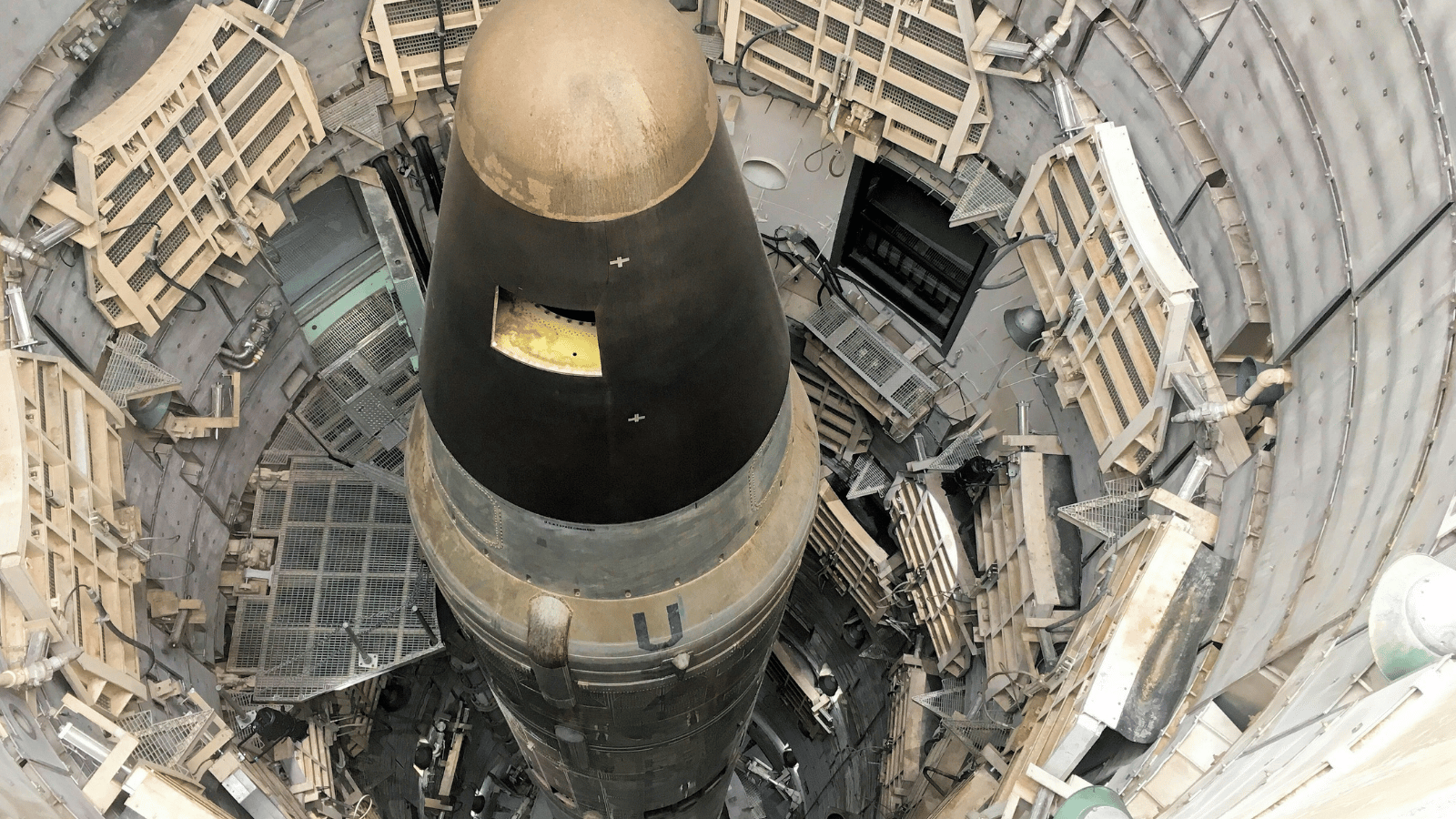
A Blueprint for the Global Governance of Autonomous Weapon Systems
a-blueprint-for-the-global-governance-of-autonomous-weapon-systems
Report
Peace and Security
August 28, 2026
AI, Sustainable Development and the Future of Education: A Governance Imperative
ai-sustainable-development-and-the-future-of-education-a-governance-imperative
Commentary
Global Education
August 17, 2026
Financing Syria's Recovery: The EU and a Fragile Economic Opening
financing-syrias-recovery-the-eu-and-a-fragile-economic-opening
Briefing
Global Economy
August 12, 2026
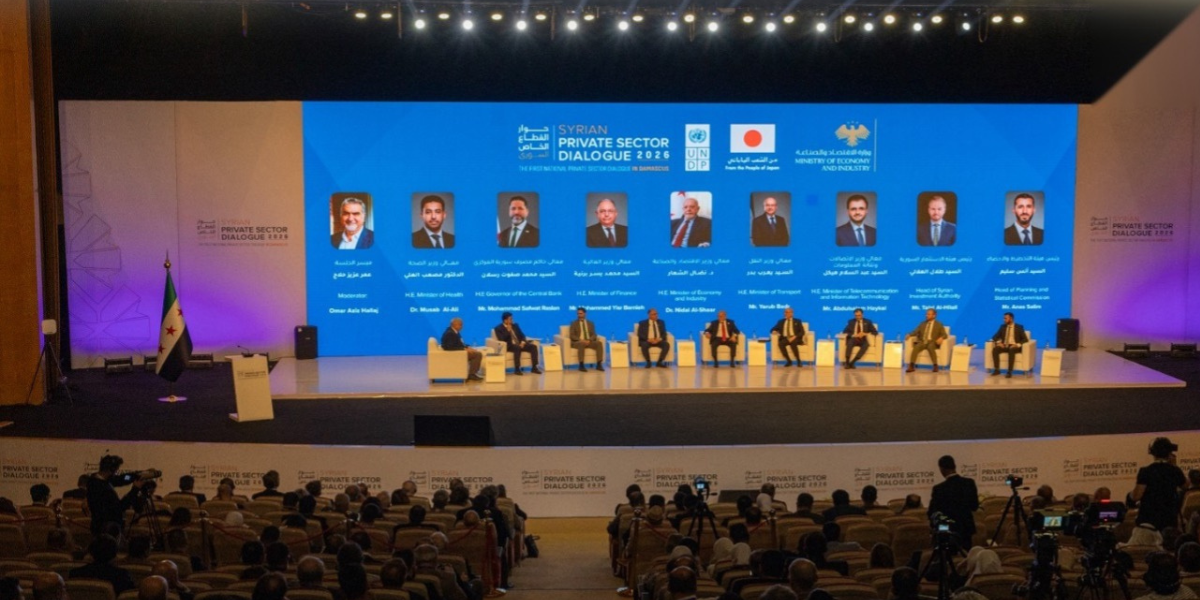
European Defence: The European Union Framework as a Dead End
european-defence-the-european-union-framework-as-a-dead-end
Briefing
Peace and Security
July 22, 2026
The New Development Bank Joins the Shift Towards Nuclear Energy Financing
the-new-development-bank-joins-the-shift-towards-nuclear-energy-financing
Commentary
Global Economy
July 13, 2026
.png)
An Issue Area Approach to Defending Global Governance
an-issue-area-approach-to-defending-global-governance
Briefing
Peace and Security
July 2, 2026

Europe’s Defence Supply Chains Need Africa and the Global South
europes-defence-supply-chains-need-africa-and-the-global-south
Commentary
Global Economy
June 12, 2026

Retrenchment as Policy Failure: Aid Cuts, the Post-UNITAMS Vacuum, and Sudan's Civilian Crisis
retrenchment-as-policy-failure-aid-cuts-the-post-unitams-vacuum-and-sudans-civilian-crisis
Briefing
Peace and Security
May 28, 2026
The Illusion of AI Sovereignty: Mapping the Five-Layer AI Stack
the-illusion-of-ai-sovereignty-mapping-the-five-layer-ai-stack
Commentary
AI Governance
May 15, 2026

Towards a Science for Diplomacy? The U7+ Alliance and the Strategic Repositioning of Universities in Global Governance
towards-a-science-for-diplomacy-the-u-7-alliance-and-the-strategic-repositioning-of-universities-in-global-governance
Commentary
Global Education
April 27, 2026
The Capability Overhang: Cognition and Labor in the Age of AI
the-capability-overhang-cognition-and-labor-in-the-age-of-ai
Commentary
AI Governance
April 9, 2026
.png)
The UN80 Initiative as a Productive Failure: Between Geopolitical Disruptions and Organizational Path Dependency
the-un80-initiative-as-a-productive-failure-between-geopolitical-disruptions-and-organizational-path-dependency
Analysis
Peace and Security
March 31, 2026

Quo Vadis EU-UN Relations in Peace and Security? Evolution, Challenges and Adaptation
quo-vadis-eu-un-relations-in-peace-and-security-evolution-challenges-and-adaptation
Briefing
Peace and Security
February 27, 2026
Higher Education at a Crossroads: Why Europe’s Universities Must Lead, Not Merely Comply
higher-education-at-a-crossroads-why-europes-universities-must-lead-not-merely-comply
Commentary
Global Education
February 23, 2026

What Comes After the US-Israel Strikes on the Islamic Republic?
what-comes-after-the-us-israel-strikes-on-the-islamic-republic
Commentary
Peace and Security
December 19, 2025

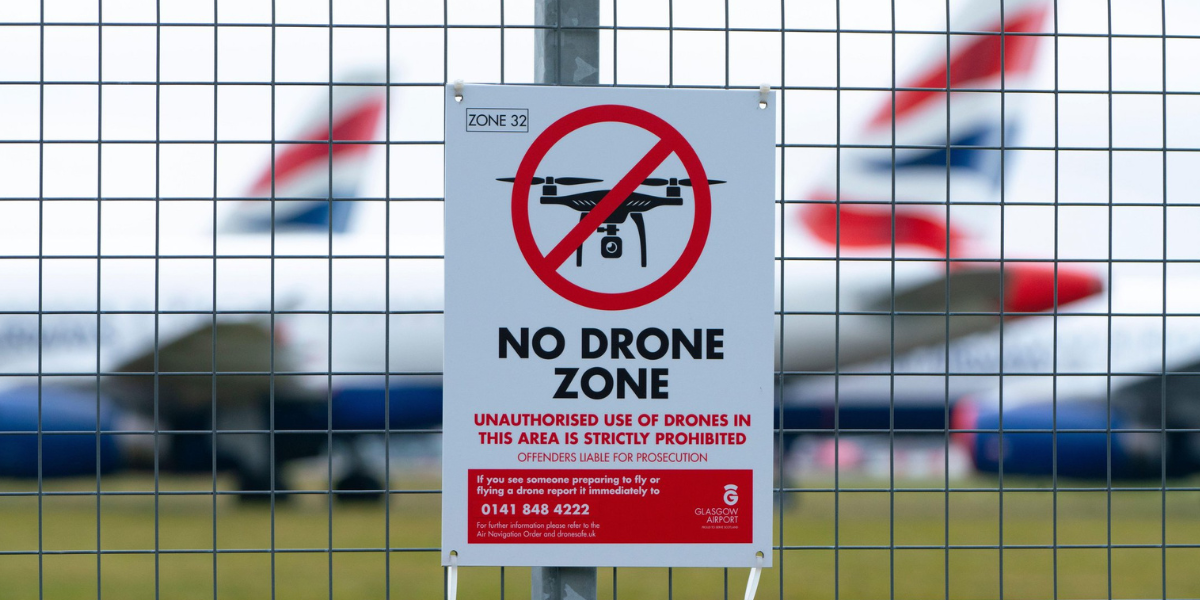
Do You Know What’s in Your Skies? Emerging Challenges for Civil Aviation Governance
do-you-know-whats-in-your-skies-emerging-challenges-for-civil-aviation-governance
Commentary
AI Governance
December 18, 2025
Knowledge creation in times of scarce resources in higher education
knowledge-creation-in-times-of-scarce-resources-in-higher-education
Commentary
Global Education
November 10, 2025

Justice-Ready Digital Public Infrastructure: Building a Third Layer of Trust for Democratic Resilience
justice-ready-digital-public-infrastructure-building-a-third-layer-of-trust-for-democratic-resilience
Briefing
AI Governance
October 23, 2025

Is a Greener Future for AI Possible?
is-a-greener-future-for-ai-possible
Commentary
AI Governance
October 20, 2025

Silencing Dissent: How the Tech Backlash Threatens Transitional Justice
silencing-dissent-how-the-tech-backlash-threatens-transitional-justice
Commentary
AI Governance
October 2, 2025

Holding NATO Together and Keeping the US Engaged: Strategic Implications of the Hague Summit
holding-nato-together-and-keeping-the-us-engaged-strategic-implications-of-the-hague-summit
Analysis
Peace and Security
September 9, 2025

Reforming the UN during a financial crisis: a foreseeable failure to align money, mandates, and majorities?
reforming-the-un-during-a-financial-crisis-a-foreseeable-failure-to-align-money-mandates-and-majorities
Briefing
Peace and Security
July 9, 2025

How do we measure the quality of education?
how-do-we-measure-the-quality-of-education
Commentary
Global Education
April 28, 2025

Bound to Fail? The Limits of Diplomacy in the Russia–Ukraine War and the Future of European Security
bound-to-fail-the-limits-of-diplomacy-in-the-russia-ukraine-war-and-the-future-of-european-security
Commentary
Peace and Security
April 8, 2025

A major shift in global higher education is underway: why collective leadership and governance are more important than ever
a-major-shift-in-global-higher-education-is-underway-why-collective-leadership-and-governance-are-more-important-than-ever
Commentary
Global Education
March 26, 2025

AI's Fast-Forward Button: Can We Harness Innovation Without Sacrificing Safety?
ais-fast-forward-button-can-we-harness-innovation-without-sacrificing-safety
Commentary
AI Governance
March 10, 2025
Parliaments in the EU enlargement process: Strengthening capacities of accession country parliaments under the evolving enlargement methodology
parliaments-in-the-eu-enlargement-process-strengthening-capacities-of-accession-country-parliaments-under-the-evolving-enlargement-methodology
Report
Democracy and Human Rights
January 30, 2025
%20(1200%20x%20600%20px)%20(1200%20x%20400%20px).png)
Synthetic Biology and the Future of Global Environmental Governance
synthetic-biology-and-the-future-of-global-environmental-governance
Analysis
Global Environmental Governance
January 28, 2025

Towards a Global Agency for Governing Artificial General Intelligence: Challenges and Perspectives
towards-a-global-agency-for-governing-artificial-general-intelligence-challenges-and-perspectives
Report
AI Governance
January 14, 2025

Normalizing Russia can become Trump’s biggest mistake, but it’s not too late to prevent it
normalizing-russia-can-become-trumps-biggest-mistake-but-its-not-too-late-to-prevent-it
Commentary
Peace and Security
January 13, 2025

Stabilizing Europe’s Security Architecture after the Russo-Ukraine War? The Future of Conventional Arms Control in Europe
stabilizing-europes-security-architecture-after-the-russo-ukraine-war-the-future-of-conventional-arms-control-in-europe
Briefing
Peace and Security
November 20, 2024

INTERPOL: Challenges and Opportunities for the New Secretary General
interpol-challenges-and-opportunities-for-the-new-secretary-general
Commentary
Peace and Security
November 7, 2024

A Fork in the Road? The Kazan Summit of the BRICS
a-fork-in-the-road-the-kazan-summit-of-the-brics
Briefing
Peace and Security
October 30, 2024

UN Summit of the Future and Development: The Way Forward
un-summit-of-the-future-and-development-the-way-forward
Briefing
AI Governance
October 24, 2024
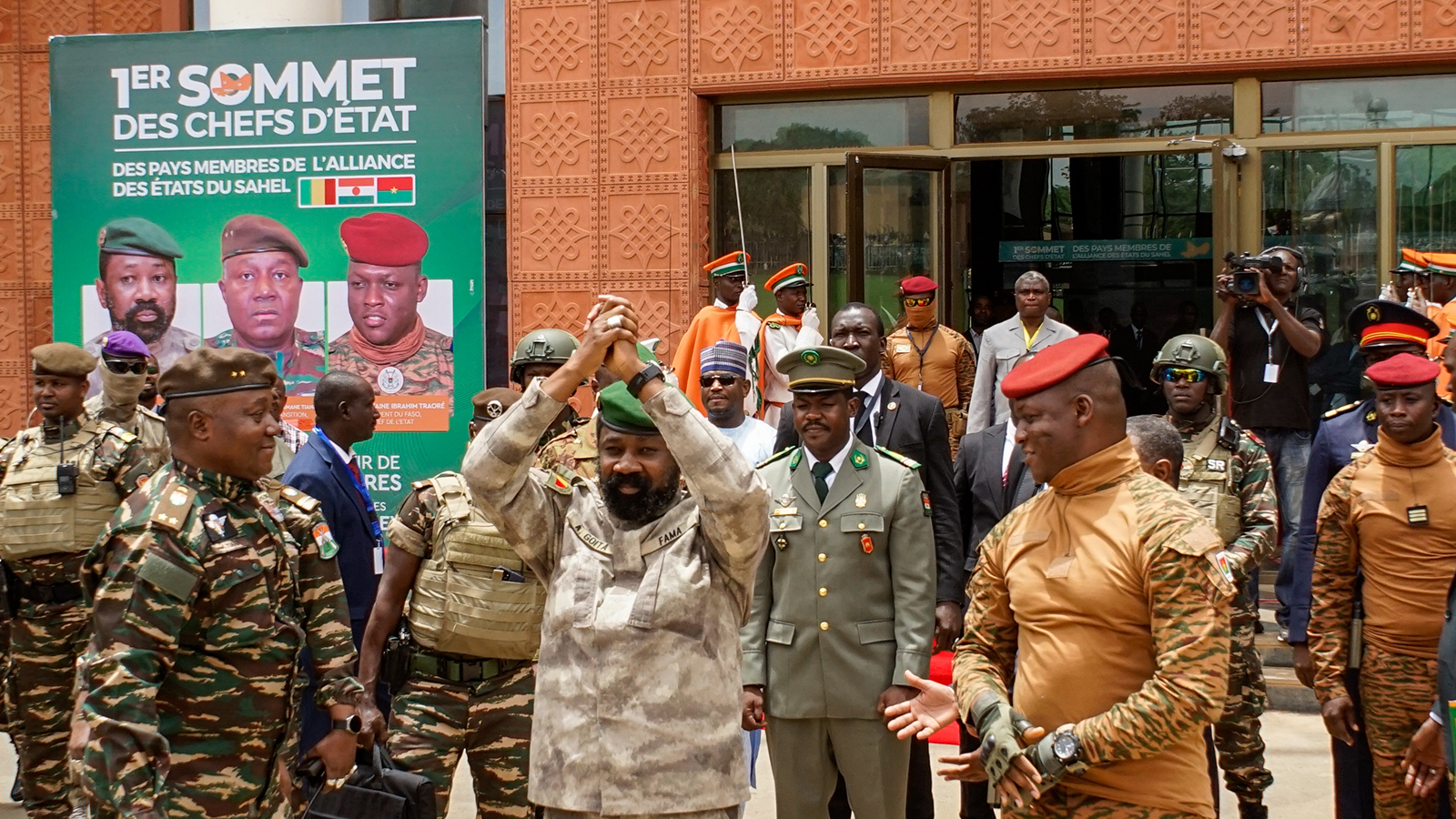
ECOWAS after the ‘Triple Withdrawal’ and the creation of the Alliance of Sahel States
ecowas-after-the-triple-withdrawal-and-the-creation-of-the-alliance-of-sahel-states-challenges-and-ways-ahead-for-regional-security-governance
Analysis
Peace and Security
October 7, 2024
Rushing to Peace, Racing to War: The Challenge of a Just Settlement
rushing-to-peace-racing-to-war-the-challenge-of-a-just-settlement
Commentary
Peace and Security
September 30, 2024
UN Summit of the Future: A Critical Moment for Global AI Governance
un-summit-of-the-future-a-critical-moment-for-global-ai-governance
Commentary
AI Governance
September 20, 2024

Shattered Security: Gender And Coups In Guinea, Mali, And Burkina Faso
shattered-security-gender-and-coups-in-guinea-mali-and-burkina-faso
Briefing
Peace and Security
June 26, 2024
Before the Peace Summit: Testing Multilateralism and Ukrainian Diplomacy
before-the-peace-summit-testing-multilateralism-and-ukrainian-diplomacy
Commentary
Peace and Security
June 14, 2024
The On-Going Quest for Teaching Excellence
the-on-going-quest-for-teaching-excellence
Commentary
Global Education
June 11, 2024

Deepening EU-Japan-US Cooperation on Critical and Emerging Technologies
deepening-eu-japan-us-cooperation-on-critical-and-emerging-technologies
Commentary
AI Governance
May 7, 2024
UNRWA’s Funding Freeze was Unjustified and Undermined Good Governance
unrwas-funding-freeze-was-unjustified-and-undermined-good-governance
Briefing
Democracy and Human Rights
April 25, 2024

Israel’s Non-implementation of the ICJ’s Provisional Measures: International Law Must Be Upheld
israels-non-implementation-of-the-icjs-provisional-measures-international-law-must-be-upheld
Briefing
Democracy and Human Rights
April 2, 2024

The EU AI Act: two steps forward, one step back
the-eu-ai-act-two-steps-forward-one-step-back
Briefing
AI Governance
March 19, 2024

The Council of Europe’s draft AI Treaty: balancing national security, innovation and human rights?
the-council-of-europes-draft-ai-treaty-balancing-national-security-innovation-and-human-rights
Commentary
AI Governance
March 18, 2024
The Ukrainian Peace Formula: content, evolution and diplomatic outreach
the-ukrainian-peace-formula-content-evolution-and-diplomatic-outreach
Analysis
Peace and Security
February 26, 2024
What developments in AI tell us about the future of governance models
what-developments-in-ai-tell-us-about-the-future-of-governance-models
Commentary
AI Governance
February 21, 2024

Whither the Global Governance of Protecting Civilians? An Initial Assessment of the ICJ’s Decision on South Africa v. Israel of 26 January 2024
whither-the-global-governance-of-protecting-civilians-an-initial-assessment-of-the-icjs-decision-on-south-africa-v-israel-of-26-january-2024
Analysis
Democracy and Human Rights
February 14, 2024
How Ukraine uses AI to fight Russian information operations
how-ukraine-uses-ai-to-fight-russian-information-operations
Commentary
AI Governance
February 12, 2024

Got trust? Global governance of emerging technologies
got-trust-global-governance-of-emerging-technologies
Commentary
AI Governance
November 28, 2023

Last minute national objections to the EU’s AI Act are a mistake. Here’s why
rolling-back-the-ai-act-is-a-mistake-heres-why
Commentary
AI Governance
November 27, 2023

Contributions of Latin America and the Caribbean to UN Peace Operations and Recommendations to Increase this Participation
new-ggi-advice-report-latin-american-and-caribbean-countries-contributions-to-un-peacekeeping
Report
Peace and Security
October 12, 2023
Armed Conflict in Nagorno-Karabakh: Crisis, Exodus, and Ethnic Cleansing
armed-conflict-in-nagorno-karabakh-crisis-exodus-and-ethnic-cleansing
Briefing
Peace and Security
October 9, 2023
Thinking of Eloho – One Year On
thinking-of-eloho-one-year-on
Commentary
Peace and Security
August 12, 2023
The Strategic Compass and the EU's Security & Defence Partnerships
the-strategic-compass-implementing-the-partnership-dimension-in-the-area-of-security-and-defence
Report
Peace and Security
July 23, 2023
Franco-German Perspectives: Europe's Moment of Geopolitics
franco-german-perspectives-europes-moment-of-geopolitics
Commentary
Peace and Security
June 2, 2023
A Comprehensive Mapping of National Higher Education Teaching Qualification schemes, Requirements and Provisions for the Promotion and Reward of Teaching Excellence
a-comprehensive-mapping-of-national-higher-education-teaching-qualification-schemes-requirements-and-provisions-for-the-promotion-and-reward-of-teaching-excellence
Report
Global Education
June 1, 2023

Stefaan de Rynck 'Inside the deal: How the EU got Brexit Done'
stefaan-de-ryncks-inside-the-deal-how-the-eu-got-brexit-done
Commentary
Global Education
April 5, 2023
NATO Allies and the Protection of Civilians
nato-allies-and-the-protection-of-civilians
Analysis
Peace and Security
January 11, 2023
Why Jettison Erasmus? The negative consequences for the UK of walking away
why-jettison-erasmus
Commentary
Global Education
January 1, 2021

Doing less with more? The difficult return of Western troop contributing countries to UN Peacekeeping
doing-less-with-more
Analysis
Peace and Security
November 2, 2020
The European Union's Role in International Economic Fora – Paper 4: The IMF
the-european-unions-role-in-international-economic-fora-paper-4-the-imf
Report
Global Economy
September 1, 2015
Civil Society Reforms in Uzbekistan: More than Government Chicanery?
civil-society-reforms-in-uzbekistan-more-than-government-chicanery
Briefing
Peace and Security
January 1, 2014
Assessing the EU’s Joint Communication on the Comprehensive Approach: Implications for EU Crisis Response and Conflict Prevention
assessing-the-eus-joint-communication-on-the-comprehensive-approach
Briefing
Peace and Security
December 15, 2013
The EU Foreign Policy of My Dreams: Ten Wishes
the-eu-foreign-policy-of-my-dreams-ten-wishes
Views from Practice
Peace and Security
December 12, 2013
The Middle East as weapons of mass destruction free zone: A proposal to overcome the deadlock
the-middle-east-as-weapons-of-mass-destruction-free-zone-a-proposal-to-overcome-the-deadlock
Views from Practice
Peace and Security
October 15, 2013
From a Militarized to a Humanized Responsibility to Protect
from-a-militarized-to-a-humanized-responsibility-to-protect-integrating-the-red-cross-and-red-crescent-into-rtop-to-respond-to-natural-disasters-and-global-climate-change
Analysis
Global Environmental Governance
June 1, 2013
Leading the Peacebuilding Commission: An Institutional History in the Making
leading-the-peacebuilding-commission-an-institutional-history-in-the-making
Views from Practice
Peace and Security
March 1, 2013
Anticipating the “Final” Arms Trade Treaty Conference: Eight Concrete Proposals
anticipating-the-final-arms-trade-treaty-conference-eight-concrete-proposals
Analysis
Peace and Security
February 1, 2013
Report for the Inquiry into the European External Action Service – EU sub-committee on External Affairs of the House Of Lords
report-for-the-inquiry-into-the-european-external-action-service---eu-sub-committee-on-external-affairs-of-the-house-of-lords
Briefing
Peace and Security
December 1, 2012
Government and the Process of Governance in Africa
government-and-the-process-of-governance-in-africa
Analysis
Peace and Security
November 1, 2012
The Responsibility to Protect and the Responsibility while Protecting: Friends or Foes?
the-responsibility-to-protect-and-the-responsibility-while-protecting-friends-or-foes
Analysis
Democracy and Human Rights
September 15, 2012

Montenegro’s Accession To The EU: Taking Stock And Suggesting Areas For Progress
montenegros-accession-to-the-eu-taking-stock-and-suggesting-areas-for-progress
Briefing
Democracy and Human Rights
August 1, 2012

Electing Freedom? Key Challenges For Libya After The 7 July 2012 Election
electing-freedom-key-challenges-for-libya-after-the-7-july-2012-election
Briefing
Peace and Security
August 1, 2012

The Somali Crisis and the EU: Moving Onshore and Committing to Somalia
the-somali-crisis-and-the-eu-moving-onshore-and-committing-to-somalia
Analysis
Peace and Security
July 1, 2012
United Nations - European Union Cooperation in the Field of Peacekeeping: Challenges and Prospects
united-nations-european-union-cooperation-in-the-field-of-peacekeeping-challenges-and-prospects
Analysis
Peace and Security
June 1, 2012
Widening The Huntress’s Reach: Legal And Strategic Aspects Of A New Atalanta Mandate
legal-and-strategic-aspects-of-a-new-atalanta-mandate
Briefing
Democracy and Human Rights
April 15, 2012

The Biological Weapons Convention, Bioterrorism And The Life Sciences
the-biological-weapons-convention-bioterrorism-and-the-life-sciences
Briefing
Peace and Security
April 1, 2012

A Democratic Justification for Military and Non-military Humanitarian Intervention
a-democratic-justification-for-military-and-non-military-humanitarian-interventions
Analysis
Democracy and Human Rights
April 1, 2012

Climate Change and Security: Adapting the Discussion to the Evidence
climate-change-and-security
Briefing
Global Environmental Governance
March 15, 2012
The United Nations Entity for Gender Equality and the Empowerment of Women (UN Women)
the-united-nations-entity-for-gender-equality-and-the-empowerment-of-women-un-women
Backgrounder
Peace and Security
September 1, 2011

The International Criminal Court and Kenya’s Post-election Violence
the-international-criminal-court-and-kenyas-post-election-violence
Analysis
Democracy and Human Rights
July 15, 2011

The United Nations Peacebuilding Architecture: Background Note
the-united-nations-peacebuilding-architecture-background-note
Briefing
Peace and Security
March 1, 2011
European Civilian Crisis Management Capacities: Bridging The Resources Gap?
european-civilian-crisis-management-capacities-bridging-the-resources-gap
Briefing
Peace and Security
January 15, 2011
The Changing Constellation of Power and Resistance in the Global Debate over Agrofuels
the-changing-constellation-of-power-and-resistance-in-the-global-debate-over-agrofuels
Analysis
Global Environmental Governance
January 1, 2011