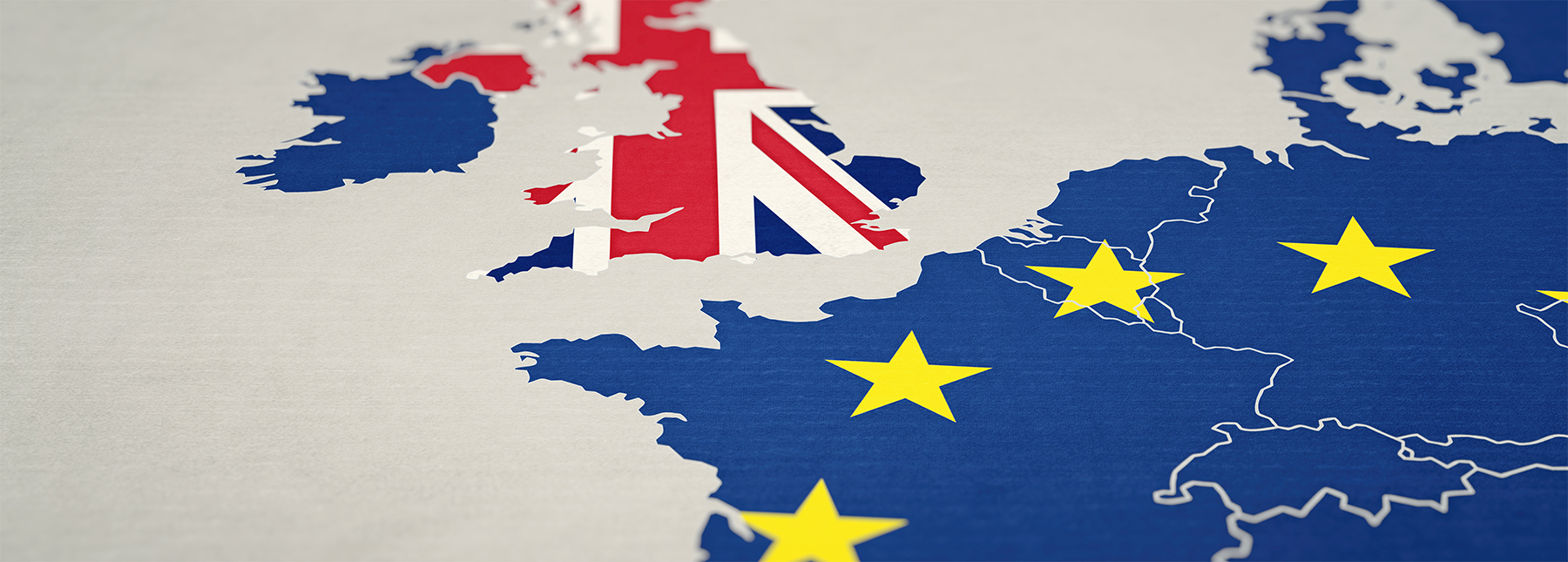
Seven years on from the 2016 referendum on the UK’s membership of the EU, Brexit continues to divide opinion on both sides of the channel. There have been a multitude of books, mostly written by UK based academics and journalists, that have looked to unpack and explain the UK electorate’s decision to vote to leave the EU. Explanations for Brexit have been wide-ranging as scholars have poured over the minute detail to try to explain how the ‘no’ vote could possibly have happened. They have included the impact of the historic Eurosceptic legacy in the UK; the failure of the EU to embrace the reform agenda; the strengths and weaknesses of the referendum campaigns themselves; the prevalence of ‘demand-side’ conditions in particular immigration; as well as ‘supply-side’ explanations such as the short and long-term role played by the British media.
Beyond the referendum itself, there has been less literature on what has happened since the referendum. The drawn-out Brexit negotiation process which came to a head rather dramatically on Christmas Eve 2020 with the announcement of the agreement between Ursula von der Leyen and Boris Johnson, has not received as much attention. Chris Grey’s book, Brexit Unfolded: How no one got what they wanted (and why they were never going to), is a rare jewel which seeks to explain and unravel the difficulties of the post Brexit settlement.
There has also been nuanced analysis emanating from across the Irish Channel about the post Brexit process such as Fintan O'Toole’s entertaining (but insightful) Three Years in Hell: The Brexit Chronicles. We can add to this some excellent work seeking to explain the complexities around the position of Northern Ireland in the negotiating process by experts such as Katy Hayward whose book The Irish Border is written with great clarity.
Chief Brexit negotiator, Michel Barnier’s La grande illusion: Journal Secret du Brexit, published in French in 2021, provided a chronological diary of the negotiation process from an EU perspective. It certainly shed some light on some of the processes and maneuverings which led to the emergence of a deal. Unsurprisingly given the target audience, the English translation version, published as My Secret Brexit Diary, dropped the reference to Renoir’s classic film La grande illusion on the dust cover!
Following on from Barnier’s Brexit diary, Stefaan de Rynck’s new book Inside the Deal: How the EU Got Brexit Done (recently published by Agenda) represents a more substantial and very welcome addition to the literature. It proffers measured and detailed insight into how the negotiating process finally led to a post-Brexit deal. De Rynck, who is now the Head of the European Commission's Representation in Belgium as well as a Visiting Professor at KU Leuven, was the Senior Advisor to Barnier on Brexit matters throughout the negotiations. As such, no one is better placed to write about the realities of the Brexit negotiations from an EU standpoint.
The book, which takes its cue for the title from Boris Johnson’s infamous mantra “Get Brexit done” provides detailed chronological coverage of the policy negotiations, and nuanced interpretation of the tensions and frustrations in the process of finalizing a deal with the UK government. It gets to the heart of the dynamics and the personalities involved on both sides of the negotiations. De Rynck strikes the right balance between detail and readability.
The book isn’t opportunism on the author’s part. As he states at the beginning of his analysis “one motivation for writing this book is that I believe EU civil servants should play an active part in public conversations.” What comes across loud and clear is that De Rynck is clearly someone who cares deeply about the integrity of the European project. This shines through in his writing. His criticism of the UK government and its actions are measured, which given the failings and the mixed messages of the UK negotiators at various stages of the process, is to his credit. He is not overtly critical of the key personalities involved. For instance, of Boris Johnson, he states, "contrary to how some media portrayed him, Johnson was not “uninformed” and “passive”. He engaged with the EU." This is a book written by someone with a diplomatic head. It’s not about point scoring.
There are several striking things that emerge from De Rynck’s anaylsis. The most remarkable of these is the genuine naivety of the UK government in its perceived belief that its negotiating hand placed it on an equal footing with a 27 member EU! De Rynck observes that the “UK tabloid media would often claim that the EU needed the UK more than the UK needed the EU.” This “EU needs us more than we need them” mentality clearly influenced the UK government and its negotiating team, egged-on by a London based, Eurosceptic press narrative eager to reinforce this false perception.
Added to this, what is also clear from De Rynck’s account is the strong emphasis placed by Barnier and his team on team building and trying to create trust both within the various institutions of the EU and between the 27 member states. “The unity of the 27 member states was a critical factor for the performance of Barnier’s team” De Rynck asserts early in the narrative. Critically, the EU team was able to keep its multiple actors on board.
Part of the success of the Barnier team, De Rynck confirms, was an emphasis on inclusivity and transparency, something for which the European Commission has been criticized in the past. As De Rynck points out in the introduction to the book: “The Commission’s unprecedented transparency policy for Brexit has made all official papers freely available online since May 2017, including position papers, internal documents sent to member states and draft legal texts on the terms of withdrawal and the future relationship.” This is a welcome departure.
It is apparent that the emphasis of the EU negotiating team was very much on stability and not volatility, which was in contrast to a divided UK negotiating team, split both within the Conservative government and also between the government and its civil servants. “For Brexit the EU acted as a united actor while Westminster tore itself apart” De Rynck extrapolates. One of the reasons why stability endured on the EU side was clearly the insistence by Barnier’s team on the integrity of the Four Freedoms, with no compromise on the Single Market. Bilateral attempts by the UK with individual member states to unpack the Four Freedoms, to enable the UK to maintain access to the single market without having to keep the Freedom of Movement, were never a serious, potential outcome.
The book reinforces some of the findings from my own research about how British political discourse and rhetoric with regard to the UK’s relationship with the EU remains beholden to the London based, Eurosceptic press which continues to exert an unhealthy hold over the UK/EU debate. As De Rynck notes “the need for an adversarial approach to negotiations with the EU featured repeatedly in opinion pieces in various UK media and affected the choice of words and metaphors.” Of Johnson and his relationship with the UK media, De Rynck states that his “focus seemed to be more on process and announcing artificial deadlines to look tough in domestic media, less on building trust and a longer-term relationship.”
It is clear from the book that the EU negotiating team, building their Brexit strategy around trust, unity preparation, and transparancy, achieved most of its objectives regarding the outcome. There are some regrets on De Rynck's part; for instance, that his team could not convince the UK government to agree on something substantial in the post Brexit settlement in the area of Security. Nevertheless, given the complications of trying to keep 27 nations united in formulating a deal acceptable to all, the outcome was a triumph of diplomacy and negotiation for De Rynck and his team. Contrast this with the UK government as it struggled to keep its own party united during the negotiations. We shouldn’t forget that the Conservative Party has had five Prime-Ministers since 2016!
Under Rishi Sunak’s leadership, there are signs that the Conservative government is at last building bridges with the EU post-Brexit which is to be welcomed. The recently agreed Windsor Framework is evidence of this. This is in stark contrast to the uncertainty of the years which followed the referendum leading up to the Brexit deal. At a book launch in Brussels in February, De Rynck talked of “an addiction with confrontation among the UK team with the EU”. Let us hope this addiction is a thing of the past and that more cordial UK/EU relations continue to emerge.
This is a book which deserves to be widely read and to reach beyond the usual academic and policy/practitioner circles. If you are interested in Brexit, the future of the EU, or global governance more generally, you should read it. It is one of those rare tomes that is a genuine, first attempt to write history! De Rynck should be commended for providing future historians with some fascinating material!
Davies, C. (2020, December 24). In their own words: how Ursula von der Leyen and Boris Johnson signed off. The Guardian.
Chris Grey 'Brexit Unfolded'
https://www.bitebackpublishing.com/books/brexit-unfolded
Fintan O’Toole 'Three Year’s in Hell'
https://www.goodreads.com/en/book/show/51286946
Katy Hayward 'The Irish Border'
Michel Barnier 'La Grande Illusion'
https://www.gallimard.fr/Catalogue/GALLIMARD/Hors-serie-Connaissance/La-grande-illusion
Michel Barnier 'My Secret Brexit Diary'
https://www.wiley.com/en-us/My+Secret+Brexit+Diary:+A+Glorious+Illusion-p-9781509550869
Stefaan de Rynck 'Inside the Deal'
https://www.agendapub.com/page/detail/inside-the-deal/?k=9781788215688
Perrigo, B. (2019, December 13). “Get Brexit Done.” The 3 Words That Helped Boris Johnson Win Britain’s 2019 Election. Time.
https://time.com/5749478/get-brexit-done-slogan-uk-election/
Simpson, K., & Startin, N. (2022, August 1). Tabloid Tales: How the British Tabloid Press Shaped the Brexit Vote. Journal of Common Market Studies, 61(2), 302–322.
https://onlinelibrary.wiley.com/doi/full/10.1111/jcms.13386
The Windsor Framework: A Good Step toward a Healthy EU-UK Relationship
https://www.csis.org/analysis/windsor-framework-good-step-toward-healthy-eu-uk-relationship
Stefaan de Rynck 'Inside the Deal' book launch in Brussels, February 2023
Inside The Deal: How the EU got Brexit done
Dr Nicholas Startin is a non-resident Senior Fellow at the European Centre for Global Education of the Global Governance Institute, and Associate Professor in European Politics and International Affairs at John Cabot University in Rome
Is South Sudan Ready to Vote? Assessing the Prospects for a Credible Election in December 2026
is-south-sudan-ready-to-vote-assessing-the-prospects-for-a-credible-election-in-december-2026
Briefing
Peace and Security
September 28, 2026
Justice-Ready by Design: What the UN’s Work with Victims of Terrorism Reveals About Digital Public Infrastructure
justice-ready-by-design-what-the-uns-work-with-victims-of-terrorism-reveals-about-digital-public-infrastructure
Commentary
AI Governance
September 23, 2026

A Start, Not an End: Reflections on the Peace Operations Review Report
a-start-not-an-end-reflections-on-the-peace-operations-review-report
Analysis
Peace and Security
September 21, 2026
European Nuclear Arms and Arms Control in an Age of Uncertainty
european-nuclear-arms-and-arms-control-in-an-age-of-uncertainty
Analysis
Peace and Security
September 10, 2026
A Blueprint for the Global Governance of Autonomous Weapon Systems
a-blueprint-for-the-global-governance-of-autonomous-weapon-systems
Report
Peace and Security
August 28, 2026
AI, Sustainable Development and the Future of Education: A Governance Imperative
ai-sustainable-development-and-the-future-of-education-a-governance-imperative
Commentary
Global Education
August 17, 2026
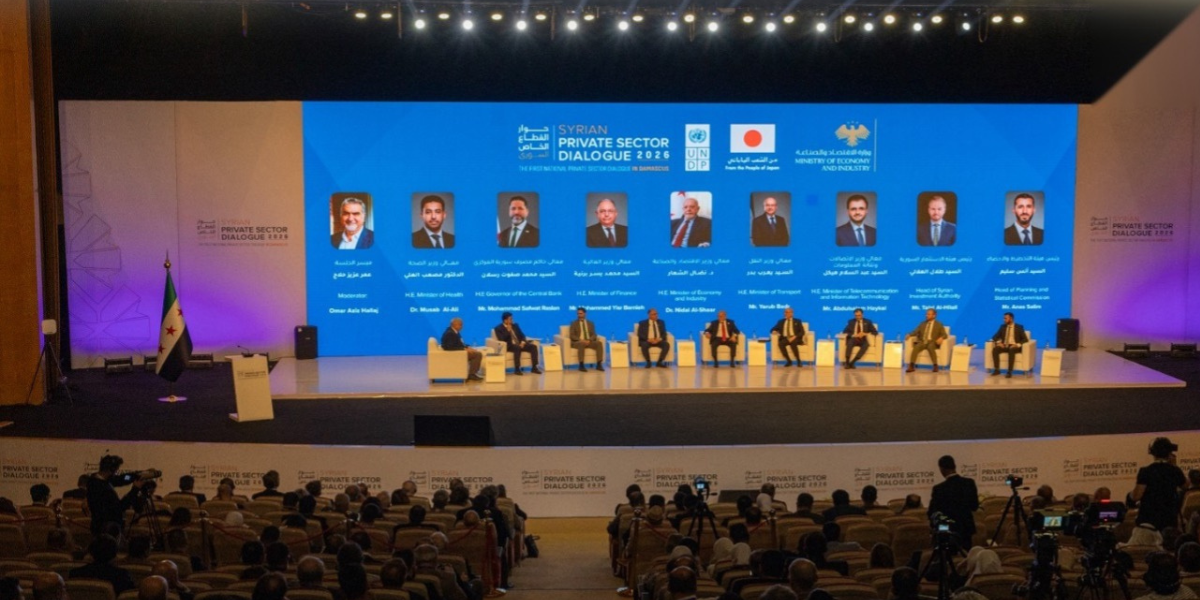
Financing Syria's Recovery: The EU and a Fragile Economic Opening
financing-syrias-recovery-the-eu-and-a-fragile-economic-opening
Briefing
Global Economy
August 12, 2026
European Defence: The European Union Framework as a Dead End
european-defence-the-european-union-framework-as-a-dead-end
Briefing
Peace and Security
July 22, 2026
The New Development Bank Joins the Shift Towards Nuclear Energy Financing
the-new-development-bank-joins-the-shift-towards-nuclear-energy-financing
Commentary
Global Economy
July 13, 2026
.png)
An Issue Area Approach to Defending Global Governance
an-issue-area-approach-to-defending-global-governance
Briefing
Peace and Security
July 2, 2026

Europe’s Defence Supply Chains Need Africa and the Global South
europes-defence-supply-chains-need-africa-and-the-global-south
Commentary
Global Economy
June 12, 2026

Retrenchment as Policy Failure: Aid Cuts, the Post-UNITAMS Vacuum, and Sudan's Civilian Crisis
retrenchment-as-policy-failure-aid-cuts-the-post-unitams-vacuum-and-sudans-civilian-crisis
Briefing
Peace and Security
May 28, 2026
The Illusion of AI Sovereignty: Mapping the Five-Layer AI Stack
the-illusion-of-ai-sovereignty-mapping-the-five-layer-ai-stack
Commentary
AI Governance
May 15, 2026

Towards a Science for Diplomacy? The U7+ Alliance and the Strategic Repositioning of Universities in Global Governance
towards-a-science-for-diplomacy-the-u-7-alliance-and-the-strategic-repositioning-of-universities-in-global-governance
Commentary
Global Education
April 27, 2026
The Capability Overhang: Cognition and Labor in the Age of AI
the-capability-overhang-cognition-and-labor-in-the-age-of-ai
Commentary
AI Governance
April 9, 2026
.png)
The UN80 Initiative as a Productive Failure: Between Geopolitical Disruptions and Organizational Path Dependency
the-un80-initiative-as-a-productive-failure-between-geopolitical-disruptions-and-organizational-path-dependency
Analysis
Peace and Security
March 31, 2026

Quo Vadis EU-UN Relations in Peace and Security? Evolution, Challenges and Adaptation
quo-vadis-eu-un-relations-in-peace-and-security-evolution-challenges-and-adaptation
Briefing
Peace and Security
February 27, 2026
Higher Education at a Crossroads: Why Europe’s Universities Must Lead, Not Merely Comply
higher-education-at-a-crossroads-why-europes-universities-must-lead-not-merely-comply
Commentary
Global Education
February 23, 2026

What Comes After the US-Israel Strikes on the Islamic Republic?
what-comes-after-the-us-israel-strikes-on-the-islamic-republic
Commentary
Peace and Security
December 19, 2025

Do You Know What’s in Your Skies? Emerging Challenges for Civil Aviation Governance
do-you-know-whats-in-your-skies-emerging-challenges-for-civil-aviation-governance
Commentary
AI Governance
December 18, 2025
Knowledge creation in times of scarce resources in higher education
knowledge-creation-in-times-of-scarce-resources-in-higher-education
Commentary
Global Education
November 10, 2025

Justice-Ready Digital Public Infrastructure: Building a Third Layer of Trust for Democratic Resilience
justice-ready-digital-public-infrastructure-building-a-third-layer-of-trust-for-democratic-resilience
Briefing
AI Governance
October 23, 2025

Is a Greener Future for AI Possible?
is-a-greener-future-for-ai-possible
Commentary
AI Governance
October 20, 2025

Silencing Dissent: How the Tech Backlash Threatens Transitional Justice
silencing-dissent-how-the-tech-backlash-threatens-transitional-justice
Commentary
AI Governance
October 2, 2025

Holding NATO Together and Keeping the US Engaged: Strategic Implications of the Hague Summit
holding-nato-together-and-keeping-the-us-engaged-strategic-implications-of-the-hague-summit
Analysis
Peace and Security
September 9, 2025

Reforming the UN during a financial crisis: a foreseeable failure to align money, mandates, and majorities?
reforming-the-un-during-a-financial-crisis-a-foreseeable-failure-to-align-money-mandates-and-majorities
Briefing
Peace and Security
July 9, 2025

How do we measure the quality of education?
how-do-we-measure-the-quality-of-education
Commentary
Global Education
April 28, 2025

Bound to Fail? The Limits of Diplomacy in the Russia–Ukraine War and the Future of European Security
bound-to-fail-the-limits-of-diplomacy-in-the-russia-ukraine-war-and-the-future-of-european-security
Commentary
Peace and Security
April 8, 2025

A major shift in global higher education is underway: why collective leadership and governance are more important than ever
a-major-shift-in-global-higher-education-is-underway-why-collective-leadership-and-governance-are-more-important-than-ever
Commentary
Global Education
March 26, 2025

AI's Fast-Forward Button: Can We Harness Innovation Without Sacrificing Safety?
ais-fast-forward-button-can-we-harness-innovation-without-sacrificing-safety
Commentary
AI Governance
March 10, 2025
Parliaments in the EU enlargement process: Strengthening capacities of accession country parliaments under the evolving enlargement methodology
parliaments-in-the-eu-enlargement-process-strengthening-capacities-of-accession-country-parliaments-under-the-evolving-enlargement-methodology
Report
Democracy and Human Rights
January 30, 2025
%20(1200%20x%20600%20px)%20(1200%20x%20400%20px).png)
Synthetic Biology and the Future of Global Environmental Governance
synthetic-biology-and-the-future-of-global-environmental-governance
Analysis
Global Environmental Governance
January 28, 2025

Towards a Global Agency for Governing Artificial General Intelligence: Challenges and Perspectives
towards-a-global-agency-for-governing-artificial-general-intelligence-challenges-and-perspectives
Report
AI Governance
January 14, 2025

Normalizing Russia can become Trump’s biggest mistake, but it’s not too late to prevent it
normalizing-russia-can-become-trumps-biggest-mistake-but-its-not-too-late-to-prevent-it
Commentary
Peace and Security
January 13, 2025

Stabilizing Europe’s Security Architecture after the Russo-Ukraine War? The Future of Conventional Arms Control in Europe
stabilizing-europes-security-architecture-after-the-russo-ukraine-war-the-future-of-conventional-arms-control-in-europe
Briefing
Peace and Security
November 20, 2024

INTERPOL: Challenges and Opportunities for the New Secretary General
interpol-challenges-and-opportunities-for-the-new-secretary-general
Commentary
Peace and Security
November 7, 2024

A Fork in the Road? The Kazan Summit of the BRICS
a-fork-in-the-road-the-kazan-summit-of-the-brics
Briefing
Peace and Security
October 30, 2024

UN Summit of the Future and Development: The Way Forward
un-summit-of-the-future-and-development-the-way-forward
Briefing
AI Governance
October 24, 2024
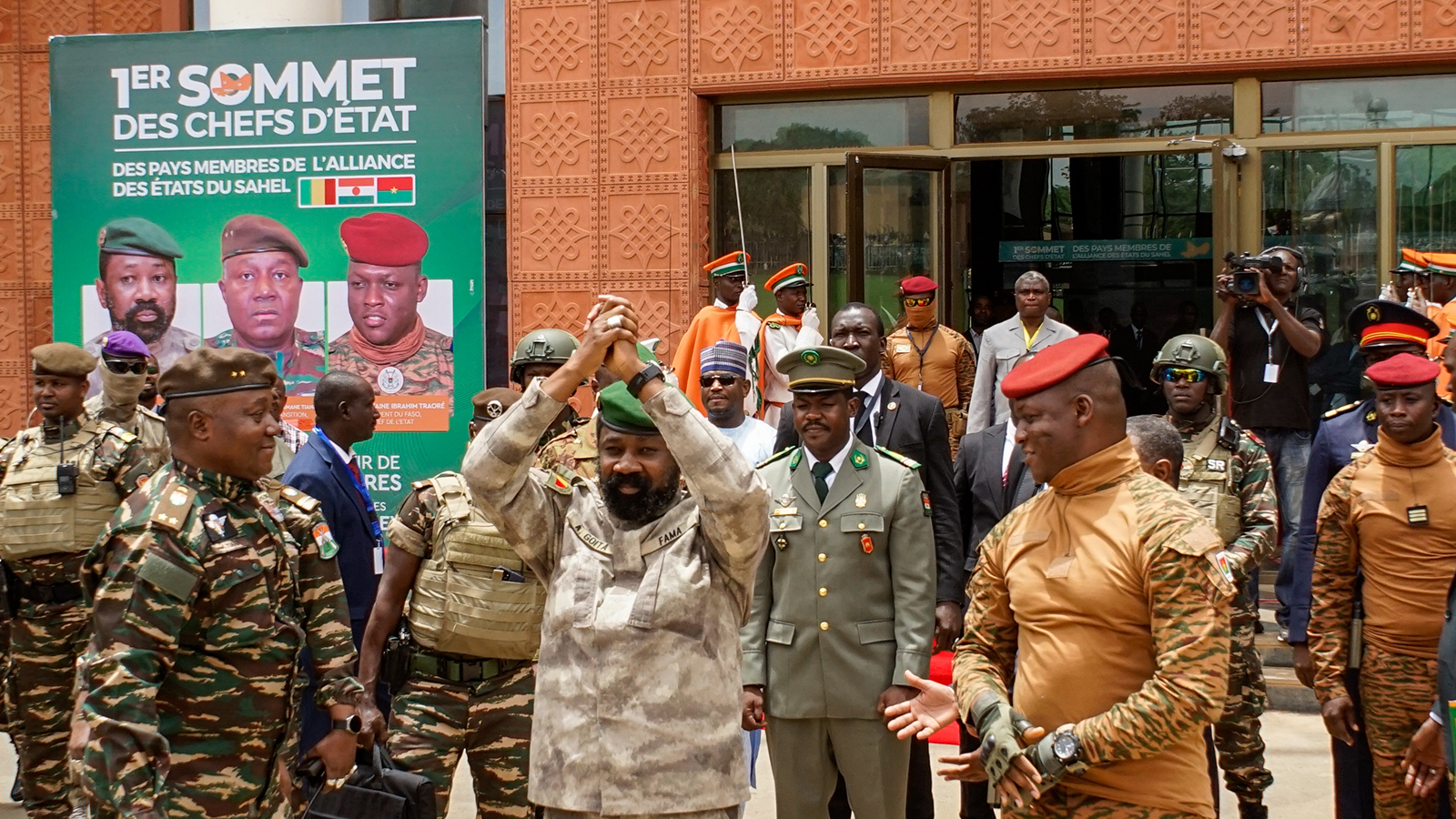
ECOWAS after the ‘Triple Withdrawal’ and the creation of the Alliance of Sahel States
ecowas-after-the-triple-withdrawal-and-the-creation-of-the-alliance-of-sahel-states-challenges-and-ways-ahead-for-regional-security-governance
Analysis
Peace and Security
October 7, 2024
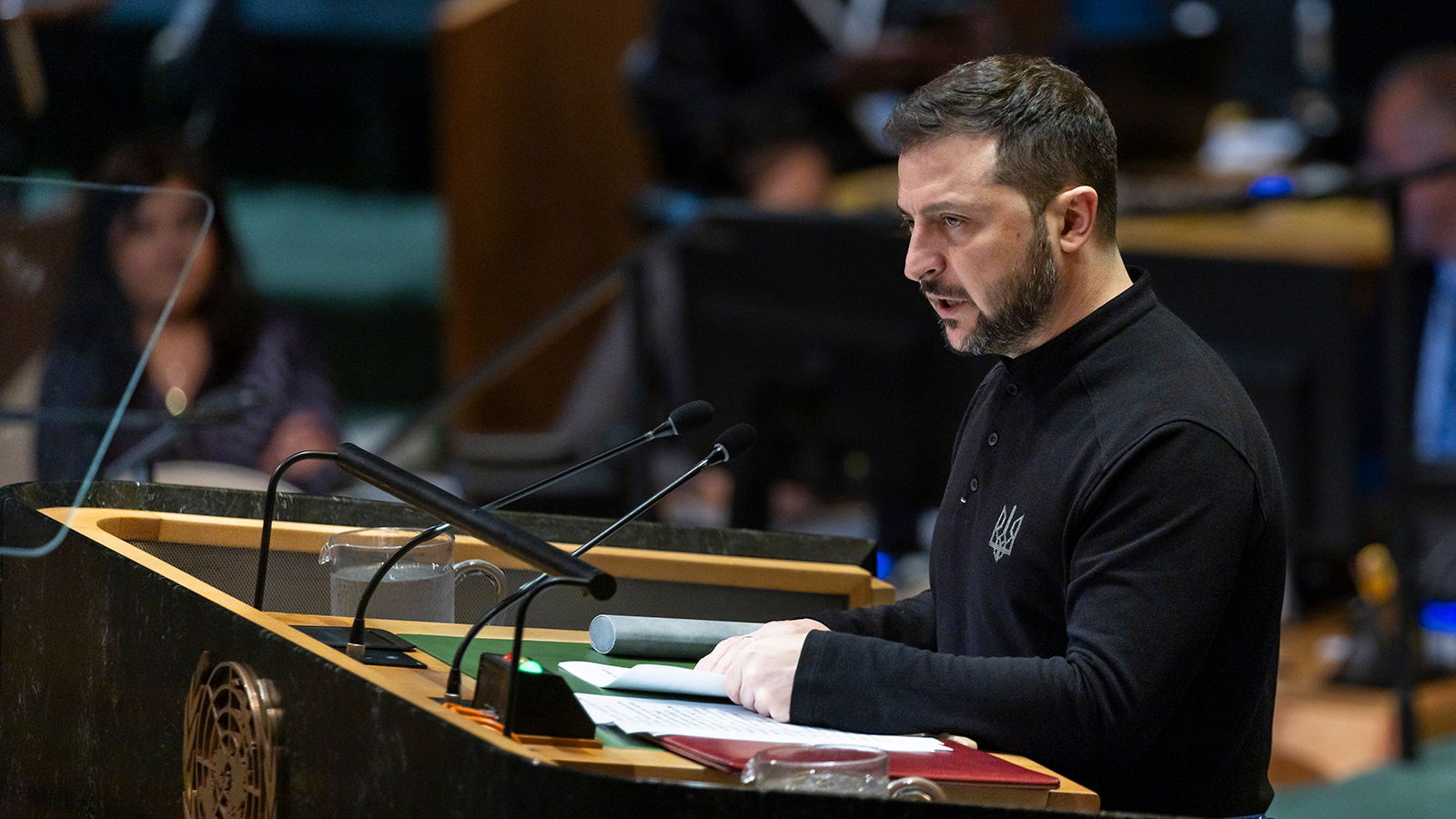
Rushing to Peace, Racing to War: The Challenge of a Just Settlement
rushing-to-peace-racing-to-war-the-challenge-of-a-just-settlement
Commentary
Peace and Security
September 30, 2024
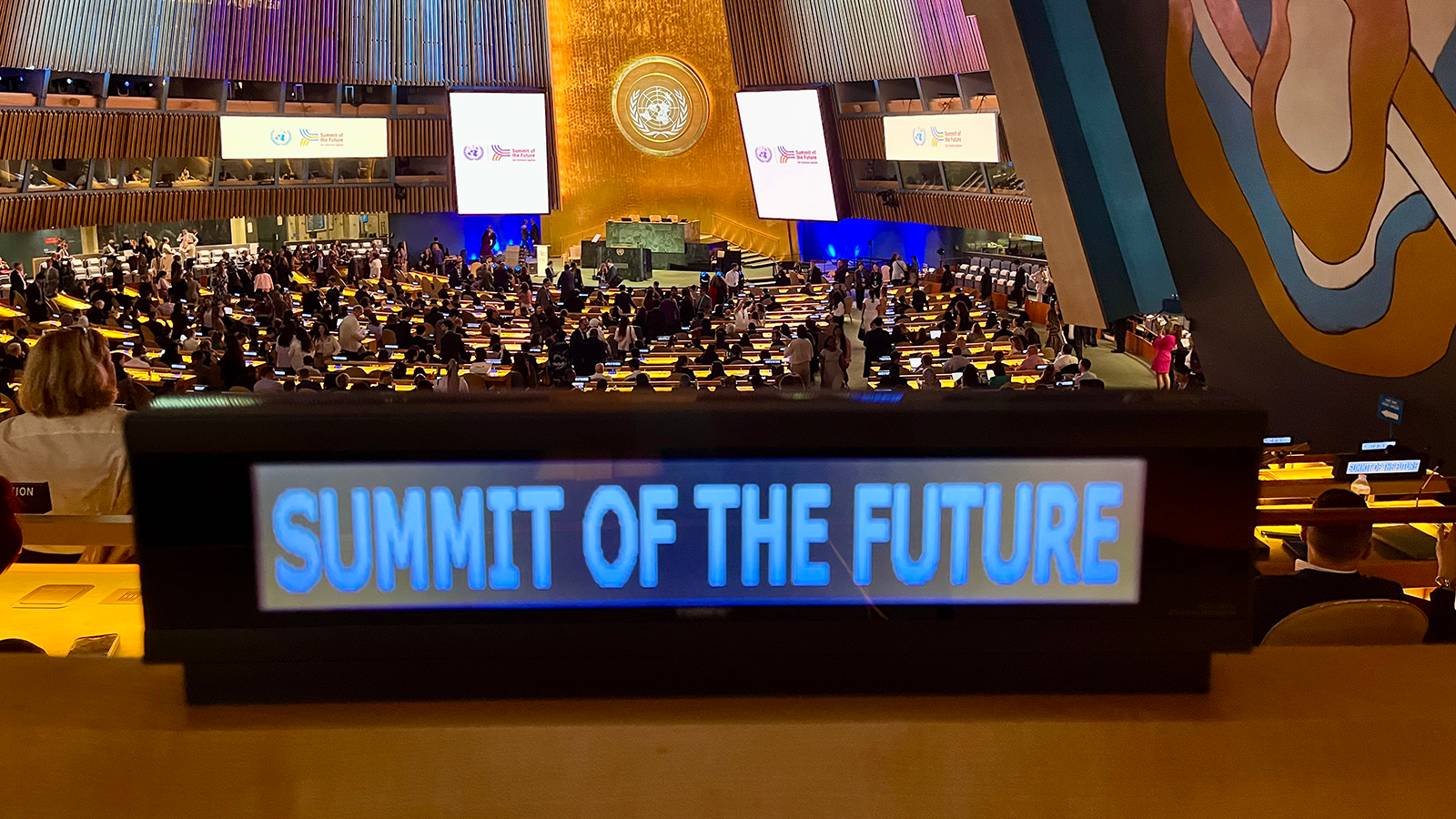
UN Summit of the Future: A Critical Moment for Global AI Governance
un-summit-of-the-future-a-critical-moment-for-global-ai-governance
Commentary
AI Governance
September 20, 2024

Shattered Security: Gender And Coups In Guinea, Mali, And Burkina Faso
shattered-security-gender-and-coups-in-guinea-mali-and-burkina-faso
Briefing
Peace and Security
June 26, 2024
Before the Peace Summit: Testing Multilateralism and Ukrainian Diplomacy
before-the-peace-summit-testing-multilateralism-and-ukrainian-diplomacy
Commentary
Peace and Security
June 14, 2024
The On-Going Quest for Teaching Excellence
the-on-going-quest-for-teaching-excellence
Commentary
Global Education
June 11, 2024

Deepening EU-Japan-US Cooperation on Critical and Emerging Technologies
deepening-eu-japan-us-cooperation-on-critical-and-emerging-technologies
Commentary
AI Governance
May 7, 2024
UNRWA’s Funding Freeze was Unjustified and Undermined Good Governance
unrwas-funding-freeze-was-unjustified-and-undermined-good-governance
Briefing
Democracy and Human Rights
April 25, 2024

Israel’s Non-implementation of the ICJ’s Provisional Measures: International Law Must Be Upheld
israels-non-implementation-of-the-icjs-provisional-measures-international-law-must-be-upheld
Briefing
Democracy and Human Rights
April 2, 2024

The EU AI Act: two steps forward, one step back
the-eu-ai-act-two-steps-forward-one-step-back
Briefing
AI Governance
March 19, 2024

The Council of Europe’s draft AI Treaty: balancing national security, innovation and human rights?
the-council-of-europes-draft-ai-treaty-balancing-national-security-innovation-and-human-rights
Commentary
AI Governance
March 18, 2024
The Ukrainian Peace Formula: content, evolution and diplomatic outreach
the-ukrainian-peace-formula-content-evolution-and-diplomatic-outreach
Analysis
Peace and Security
February 26, 2024
What developments in AI tell us about the future of governance models
what-developments-in-ai-tell-us-about-the-future-of-governance-models
Commentary
AI Governance
February 21, 2024

Whither the Global Governance of Protecting Civilians? An Initial Assessment of the ICJ’s Decision on South Africa v. Israel of 26 January 2024
whither-the-global-governance-of-protecting-civilians-an-initial-assessment-of-the-icjs-decision-on-south-africa-v-israel-of-26-january-2024
Analysis
Democracy and Human Rights
February 14, 2024
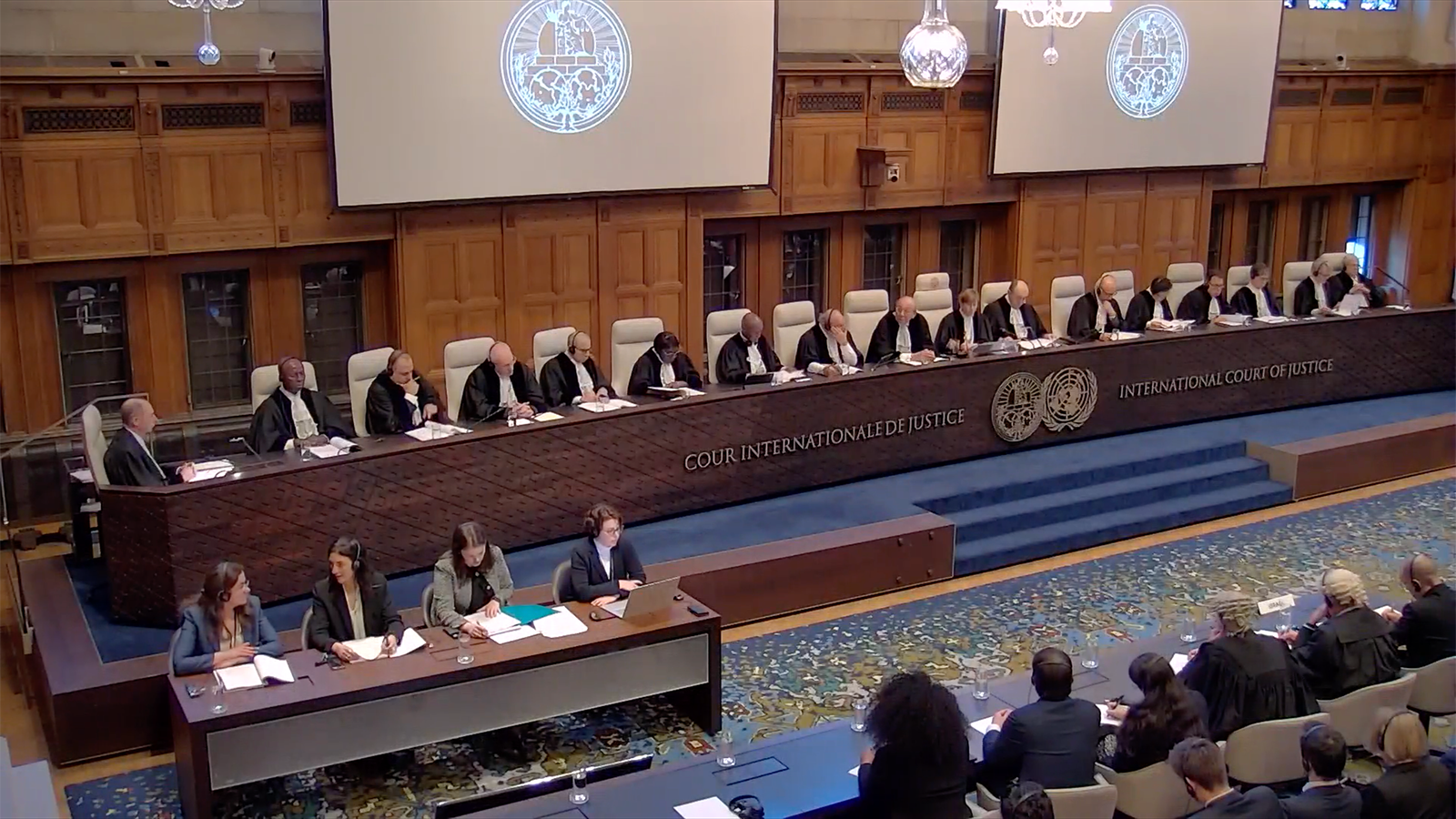
How Ukraine uses AI to fight Russian information operations
how-ukraine-uses-ai-to-fight-russian-information-operations
Commentary
AI Governance
February 12, 2024

Got trust? Global governance of emerging technologies
got-trust-global-governance-of-emerging-technologies
Commentary
AI Governance
November 28, 2023

Last minute national objections to the EU’s AI Act are a mistake. Here’s why
rolling-back-the-ai-act-is-a-mistake-heres-why
Commentary
AI Governance
November 27, 2023

Contributions of Latin America and the Caribbean to UN Peace Operations and Recommendations to Increase this Participation
new-ggi-advice-report-latin-american-and-caribbean-countries-contributions-to-un-peacekeeping
Report
Peace and Security
October 12, 2023
Armed Conflict in Nagorno-Karabakh: Crisis, Exodus, and Ethnic Cleansing
armed-conflict-in-nagorno-karabakh-crisis-exodus-and-ethnic-cleansing
Briefing
Peace and Security
October 9, 2023

Thinking of Eloho – One Year On
thinking-of-eloho-one-year-on
Commentary
Peace and Security
August 12, 2023
The Strategic Compass and the EU's Security & Defence Partnerships
the-strategic-compass-implementing-the-partnership-dimension-in-the-area-of-security-and-defence
Report
Peace and Security
July 23, 2023

Franco-German Perspectives: Europe's Moment of Geopolitics
franco-german-perspectives-europes-moment-of-geopolitics
Commentary
Peace and Security
June 2, 2023
A Comprehensive Mapping of National Higher Education Teaching Qualification schemes, Requirements and Provisions for the Promotion and Reward of Teaching Excellence
a-comprehensive-mapping-of-national-higher-education-teaching-qualification-schemes-requirements-and-provisions-for-the-promotion-and-reward-of-teaching-excellence
Report
Global Education
June 1, 2023

Stefaan de Rynck 'Inside the deal: How the EU got Brexit Done'
stefaan-de-ryncks-inside-the-deal-how-the-eu-got-brexit-done
Commentary
Global Education
April 5, 2023
NATO Allies and the Protection of Civilians
nato-allies-and-the-protection-of-civilians
Analysis
Peace and Security
January 11, 2023
Why Jettison Erasmus? The negative consequences for the UK of walking away
why-jettison-erasmus
Commentary
Global Education
January 1, 2021

Doing less with more? The difficult return of Western troop contributing countries to UN Peacekeeping
doing-less-with-more
Analysis
Peace and Security
November 2, 2020
The European Union's Role in International Economic Fora – Paper 4: The IMF
the-european-unions-role-in-international-economic-fora-paper-4-the-imf
Report
Global Economy
September 1, 2015
Civil Society Reforms in Uzbekistan: More than Government Chicanery?
civil-society-reforms-in-uzbekistan-more-than-government-chicanery
Briefing
Peace and Security
January 1, 2014
Assessing the EU’s Joint Communication on the Comprehensive Approach: Implications for EU Crisis Response and Conflict Prevention
assessing-the-eus-joint-communication-on-the-comprehensive-approach
Briefing
Peace and Security
December 15, 2013
The EU Foreign Policy of My Dreams: Ten Wishes
the-eu-foreign-policy-of-my-dreams-ten-wishes
Views from Practice
Peace and Security
December 12, 2013
The Middle East as weapons of mass destruction free zone: A proposal to overcome the deadlock
the-middle-east-as-weapons-of-mass-destruction-free-zone-a-proposal-to-overcome-the-deadlock
Views from Practice
Peace and Security
October 15, 2013
From a Militarized to a Humanized Responsibility to Protect
from-a-militarized-to-a-humanized-responsibility-to-protect-integrating-the-red-cross-and-red-crescent-into-rtop-to-respond-to-natural-disasters-and-global-climate-change
Analysis
Global Environmental Governance
June 1, 2013
Leading the Peacebuilding Commission: An Institutional History in the Making
leading-the-peacebuilding-commission-an-institutional-history-in-the-making
Views from Practice
Peace and Security
March 1, 2013
Anticipating the “Final” Arms Trade Treaty Conference: Eight Concrete Proposals
anticipating-the-final-arms-trade-treaty-conference-eight-concrete-proposals
Analysis
Peace and Security
February 1, 2013

Report for the Inquiry into the European External Action Service – EU sub-committee on External Affairs of the House Of Lords
report-for-the-inquiry-into-the-european-external-action-service---eu-sub-committee-on-external-affairs-of-the-house-of-lords
Briefing
Peace and Security
December 1, 2012
Government and the Process of Governance in Africa
government-and-the-process-of-governance-in-africa
Analysis
Peace and Security
November 1, 2012

The Responsibility to Protect and the Responsibility while Protecting: Friends or Foes?
the-responsibility-to-protect-and-the-responsibility-while-protecting-friends-or-foes
Analysis
Democracy and Human Rights
September 15, 2012

Montenegro’s Accession To The EU: Taking Stock And Suggesting Areas For Progress
montenegros-accession-to-the-eu-taking-stock-and-suggesting-areas-for-progress
Briefing
Democracy and Human Rights
August 1, 2012

Electing Freedom? Key Challenges For Libya After The 7 July 2012 Election
electing-freedom-key-challenges-for-libya-after-the-7-july-2012-election
Briefing
Peace and Security
August 1, 2012

The Somali Crisis and the EU: Moving Onshore and Committing to Somalia
the-somali-crisis-and-the-eu-moving-onshore-and-committing-to-somalia
Analysis
Peace and Security
July 1, 2012

United Nations - European Union Cooperation in the Field of Peacekeeping: Challenges and Prospects
united-nations-european-union-cooperation-in-the-field-of-peacekeeping-challenges-and-prospects
Analysis
Peace and Security
June 1, 2012
Widening The Huntress’s Reach: Legal And Strategic Aspects Of A New Atalanta Mandate
legal-and-strategic-aspects-of-a-new-atalanta-mandate
Briefing
Democracy and Human Rights
April 15, 2012

The Biological Weapons Convention, Bioterrorism And The Life Sciences
the-biological-weapons-convention-bioterrorism-and-the-life-sciences
Briefing
Peace and Security
April 1, 2012

A Democratic Justification for Military and Non-military Humanitarian Intervention
a-democratic-justification-for-military-and-non-military-humanitarian-interventions
Analysis
Democracy and Human Rights
April 1, 2012

Climate Change and Security: Adapting the Discussion to the Evidence
climate-change-and-security
Briefing
Global Environmental Governance
March 15, 2012

The United Nations Entity for Gender Equality and the Empowerment of Women (UN Women)
the-united-nations-entity-for-gender-equality-and-the-empowerment-of-women-un-women
Backgrounder
Peace and Security
September 1, 2011

The International Criminal Court and Kenya’s Post-election Violence
the-international-criminal-court-and-kenyas-post-election-violence
Analysis
Democracy and Human Rights
July 15, 2011

The United Nations Peacebuilding Architecture: Background Note
the-united-nations-peacebuilding-architecture-background-note
Briefing
Peace and Security
March 1, 2011
European Civilian Crisis Management Capacities: Bridging The Resources Gap?
european-civilian-crisis-management-capacities-bridging-the-resources-gap
Briefing
Peace and Security
January 15, 2011

The Changing Constellation of Power and Resistance in the Global Debate over Agrofuels
the-changing-constellation-of-power-and-resistance-in-the-global-debate-over-agrofuels
Analysis
Global Environmental Governance
January 1, 2011