Five days in Brussels on how AI is reshaping regulation, security and power, with sessions at the EU AI Office, the Council and UNDP.
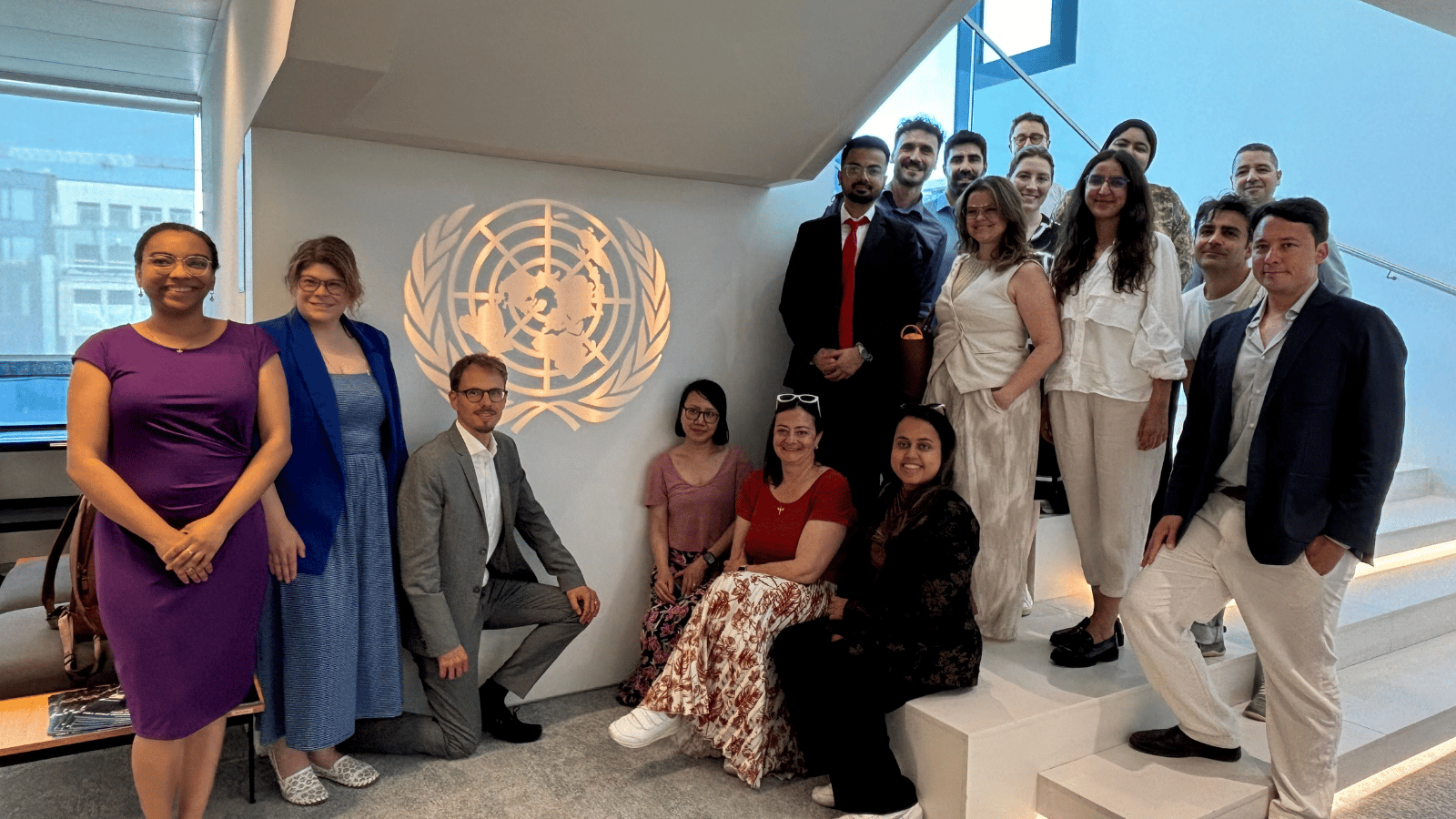
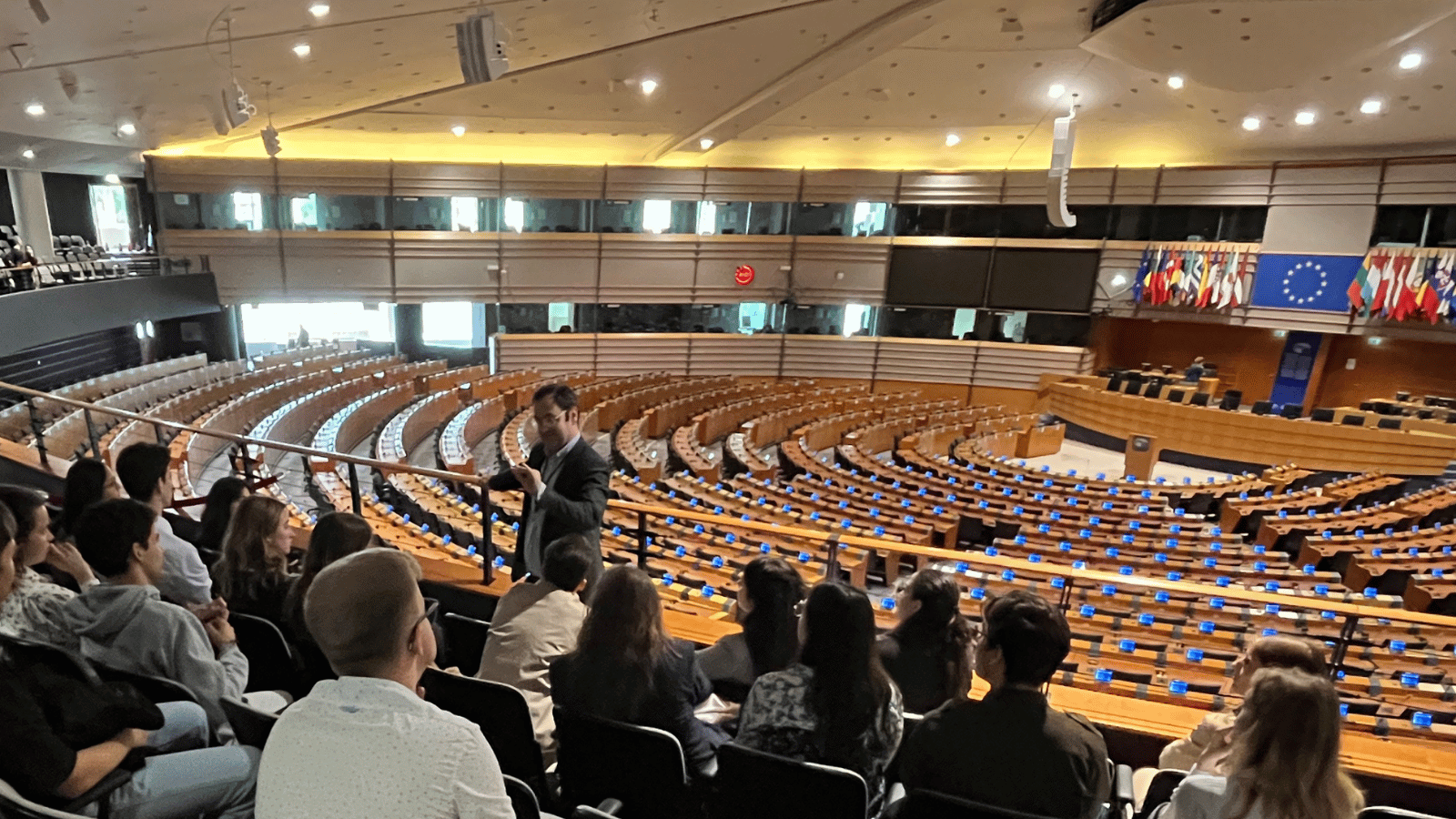
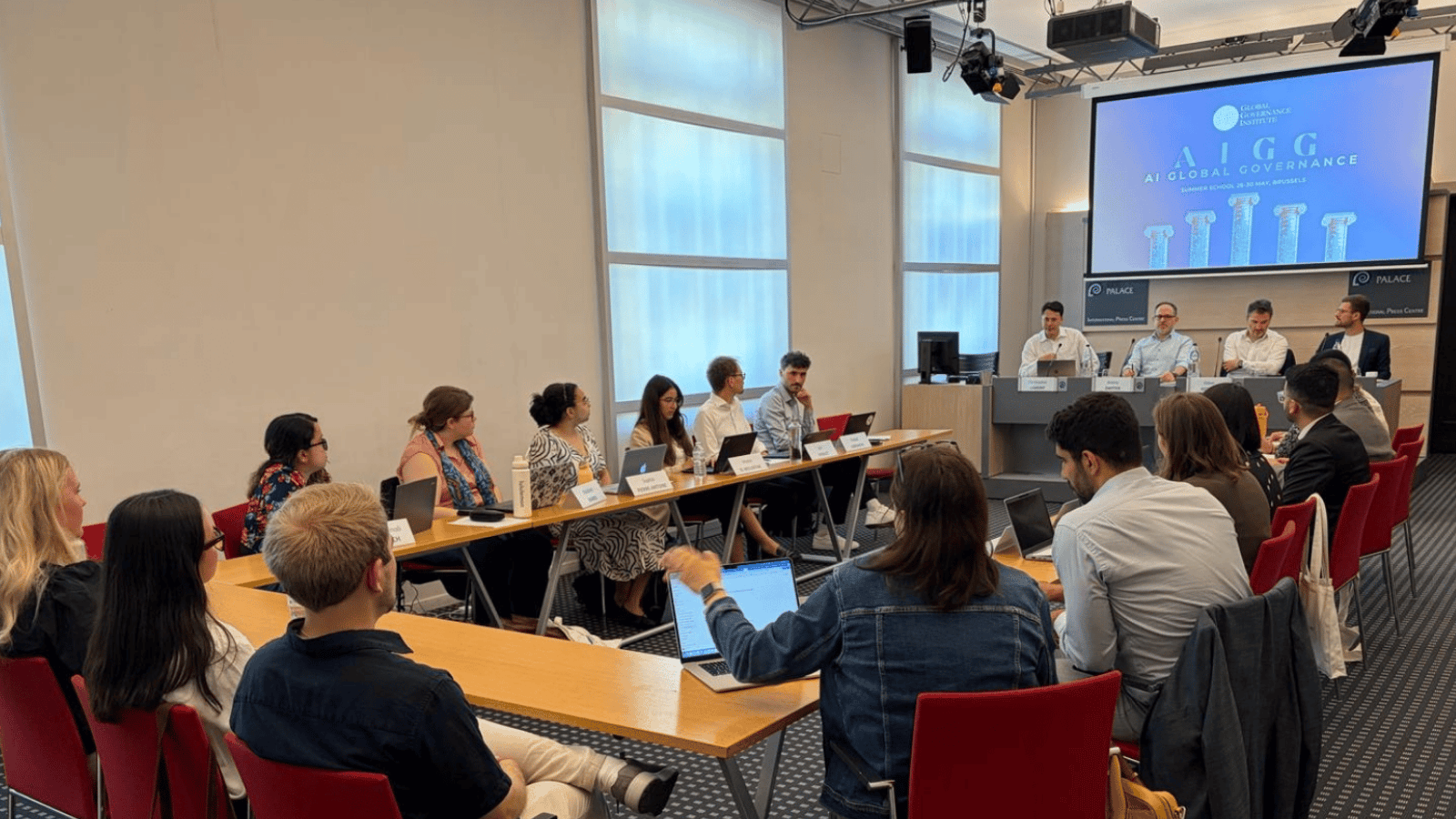

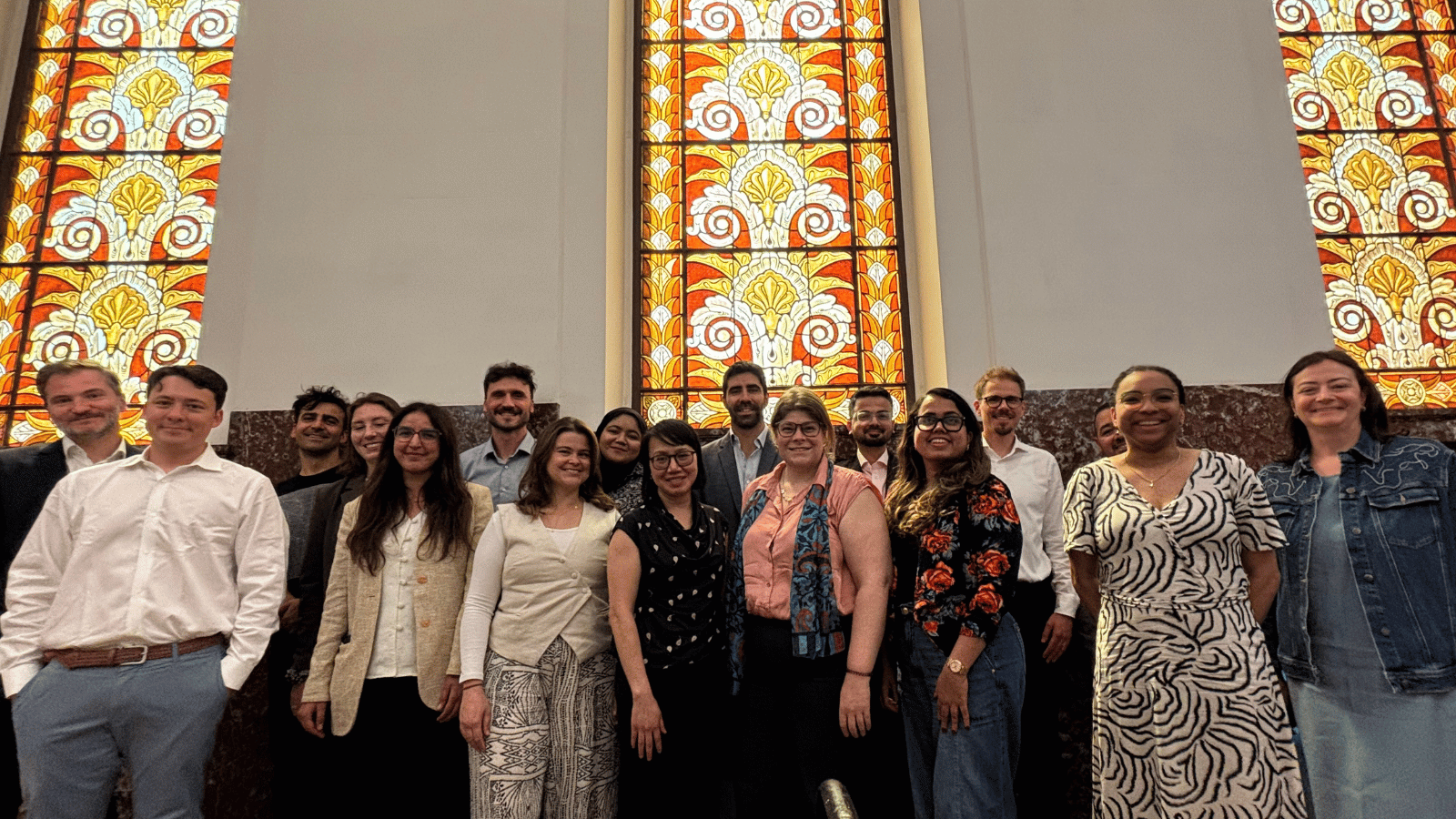
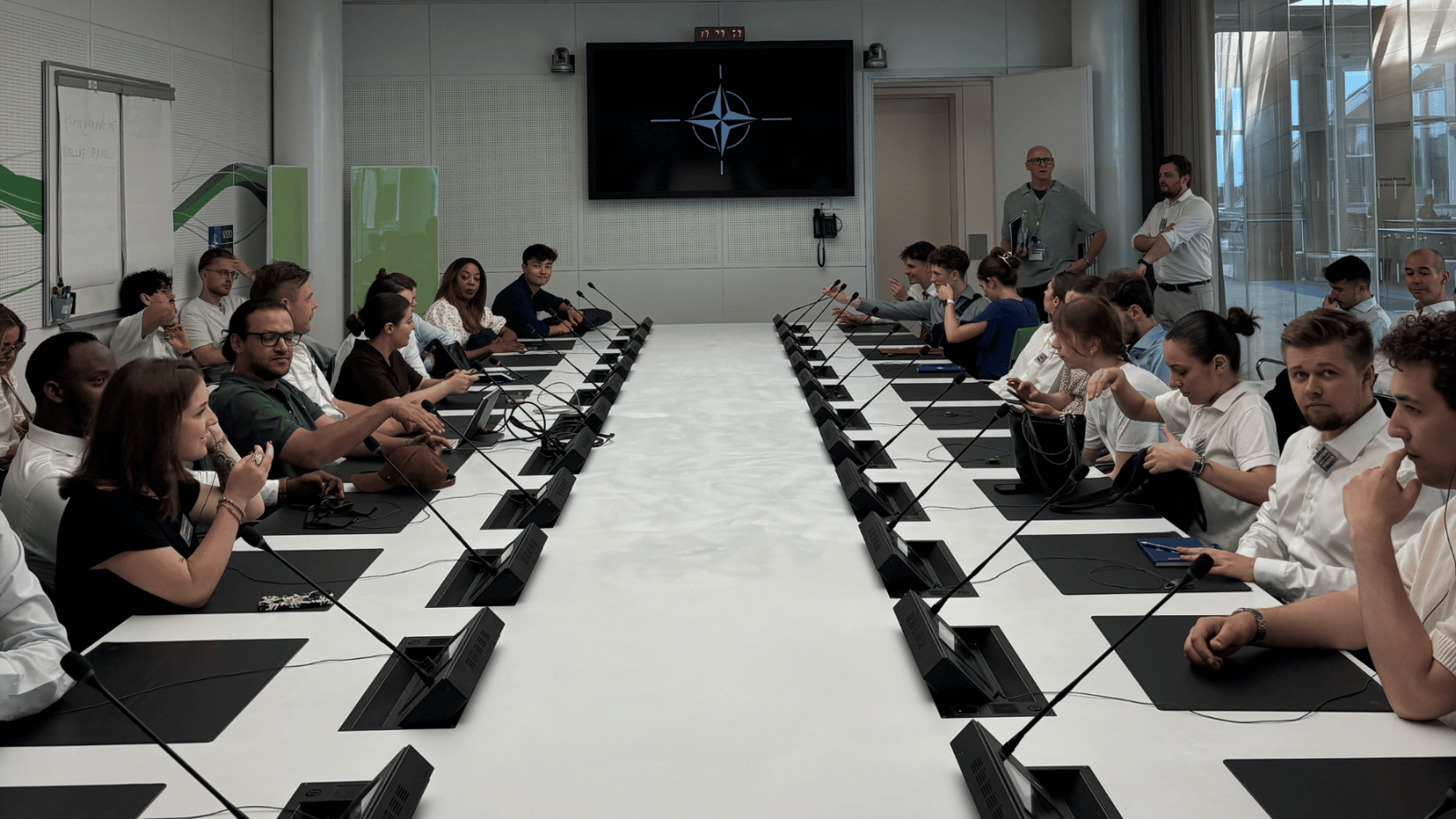
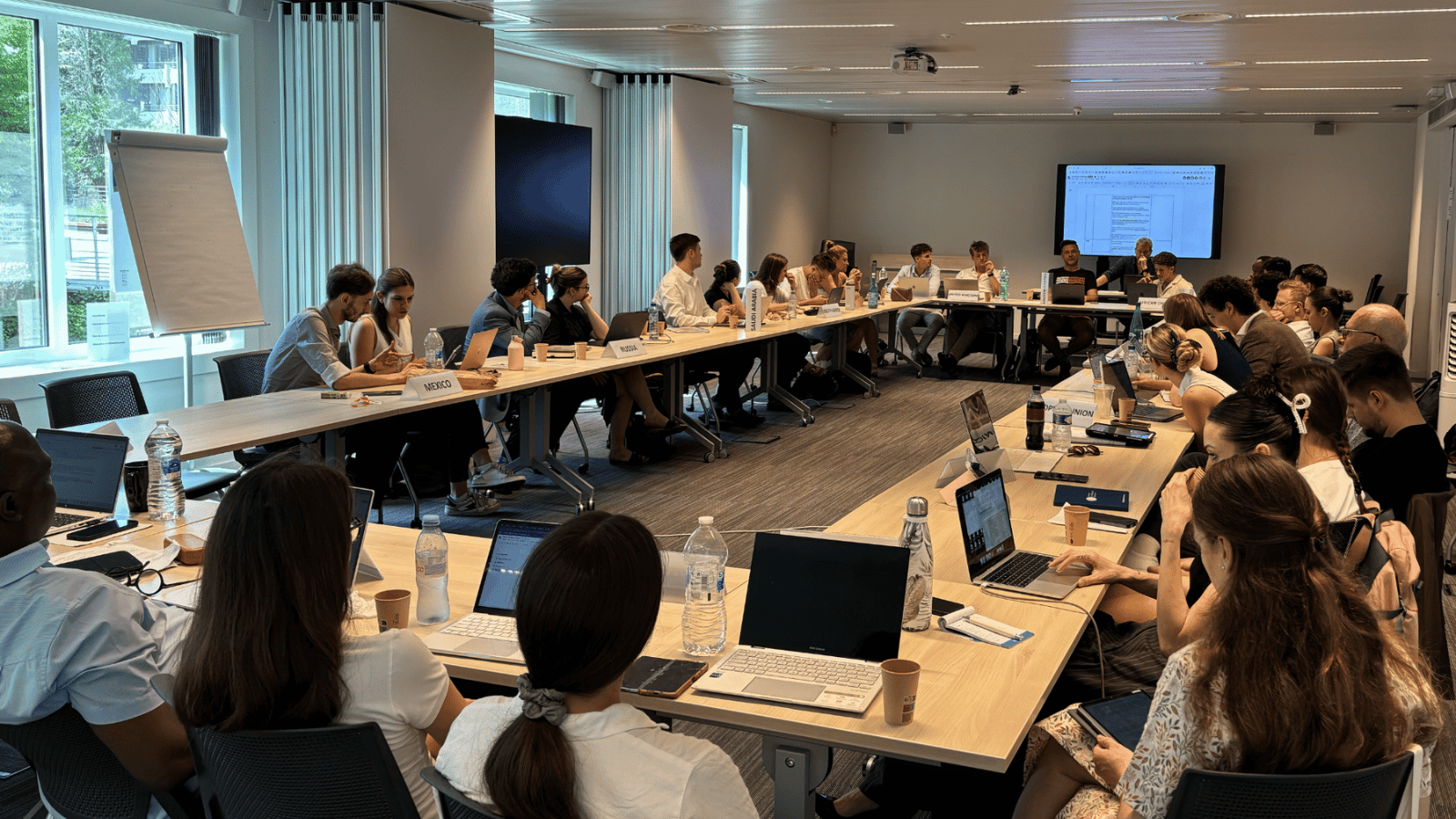
AI is reshaping cooperation between states and the way countries prepare for and conduct warfare. It brings governance problems that did not exist a decade ago: algorithmic bias, digital authoritarianism, and autonomous systems in conflict. It also cuts across older questions of human rights, labour markets and environmental sustainability, and the answers differ sharply between the European Union, the United States, Japan and China.
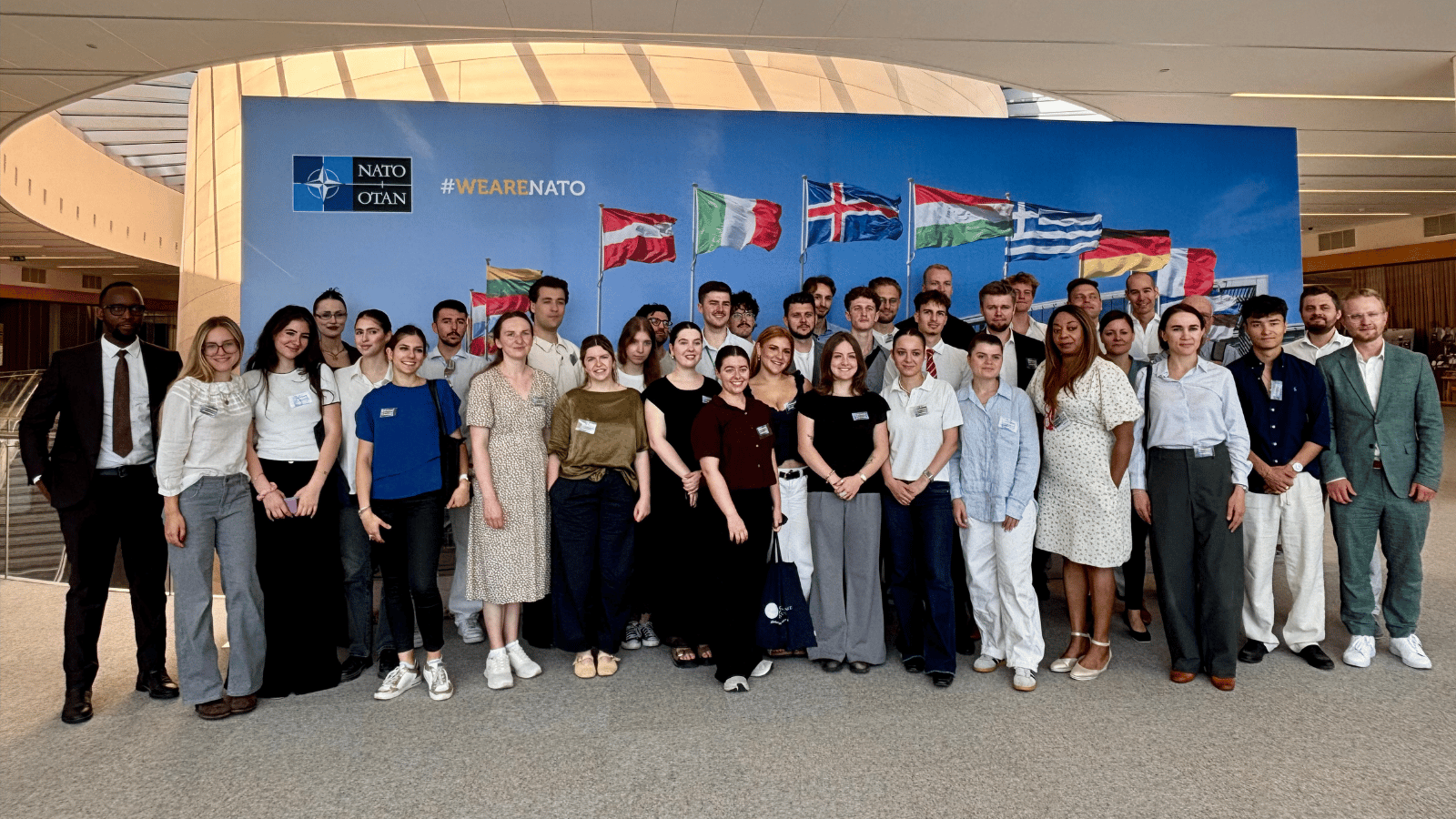
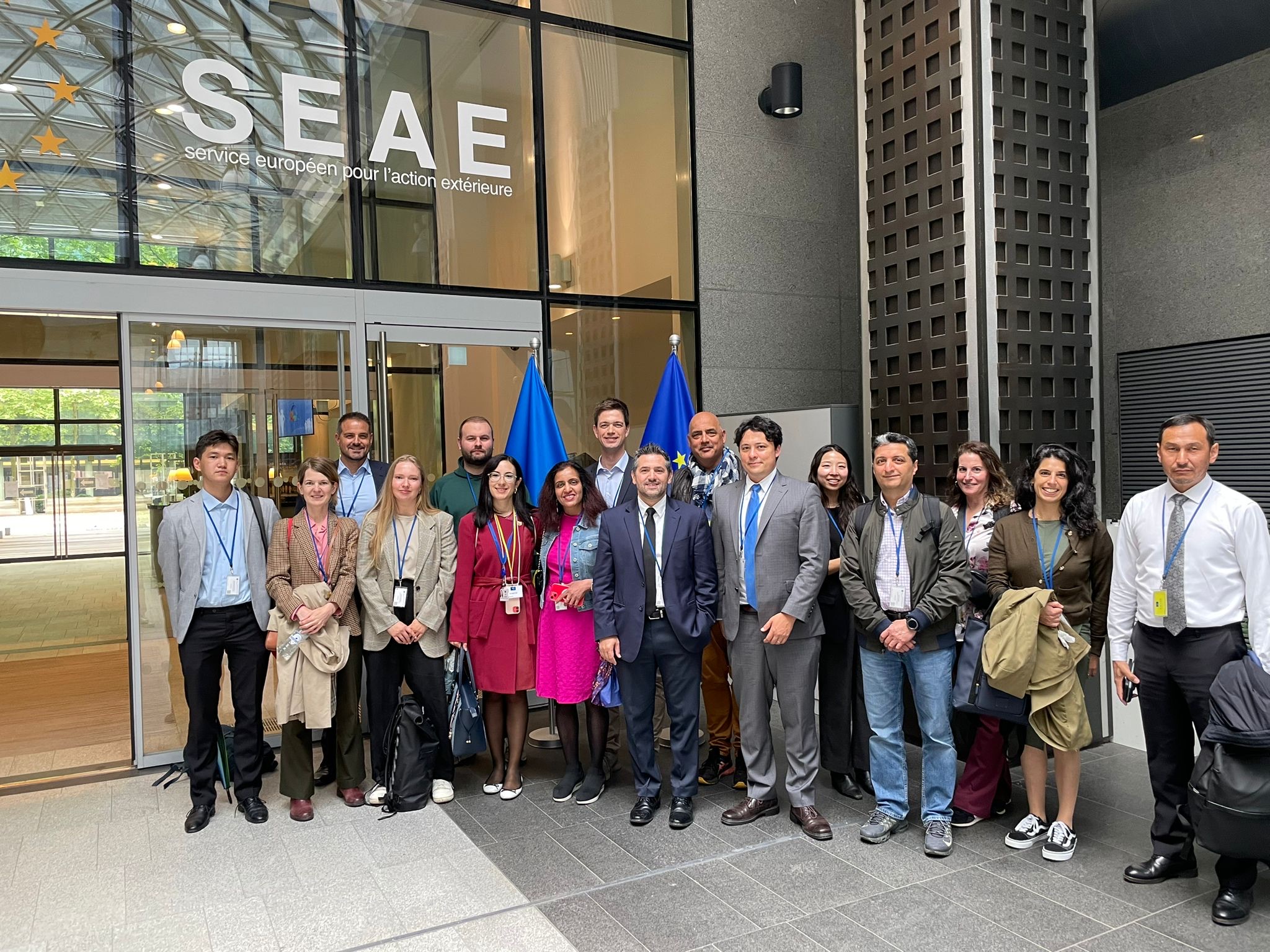
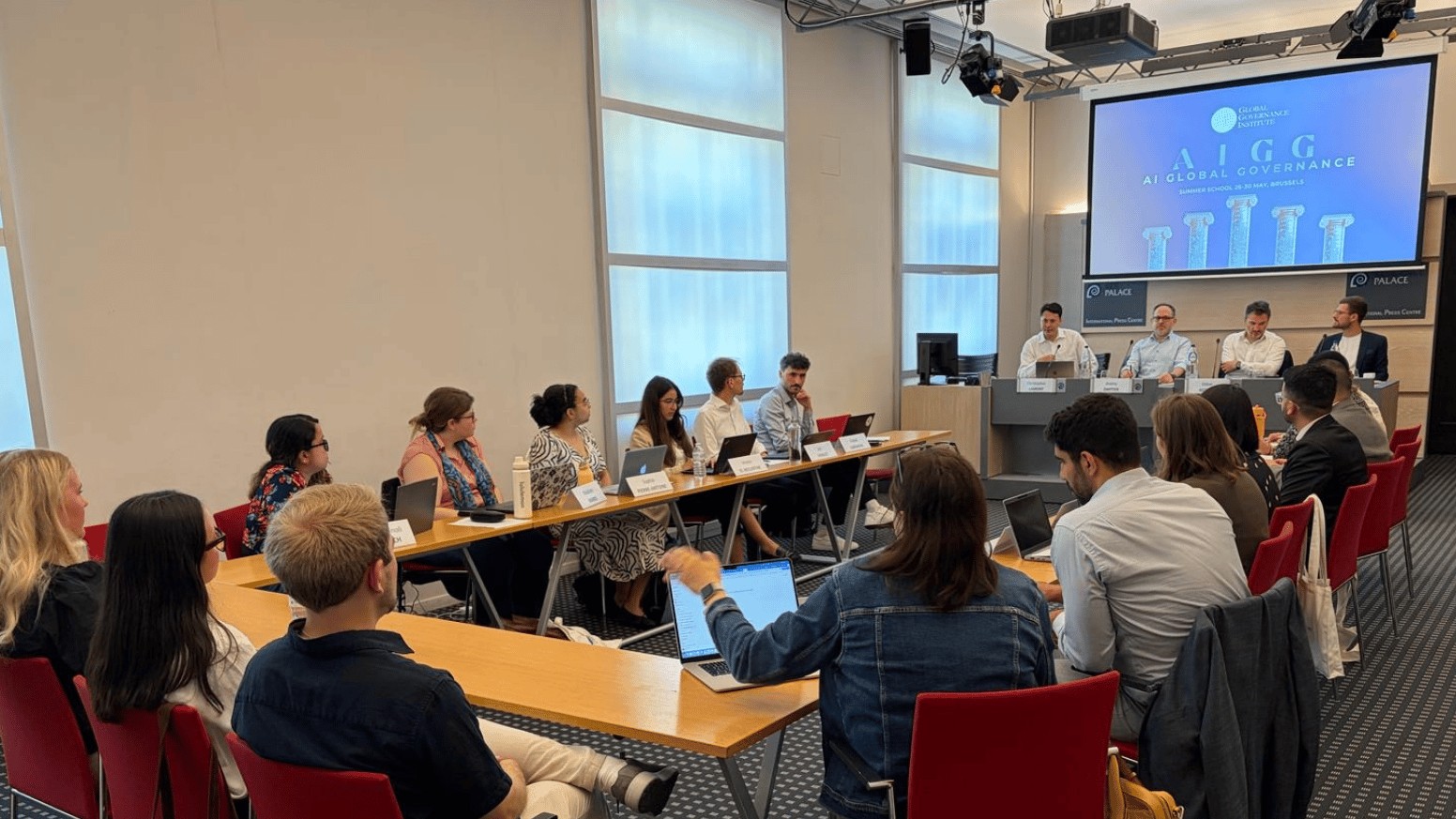
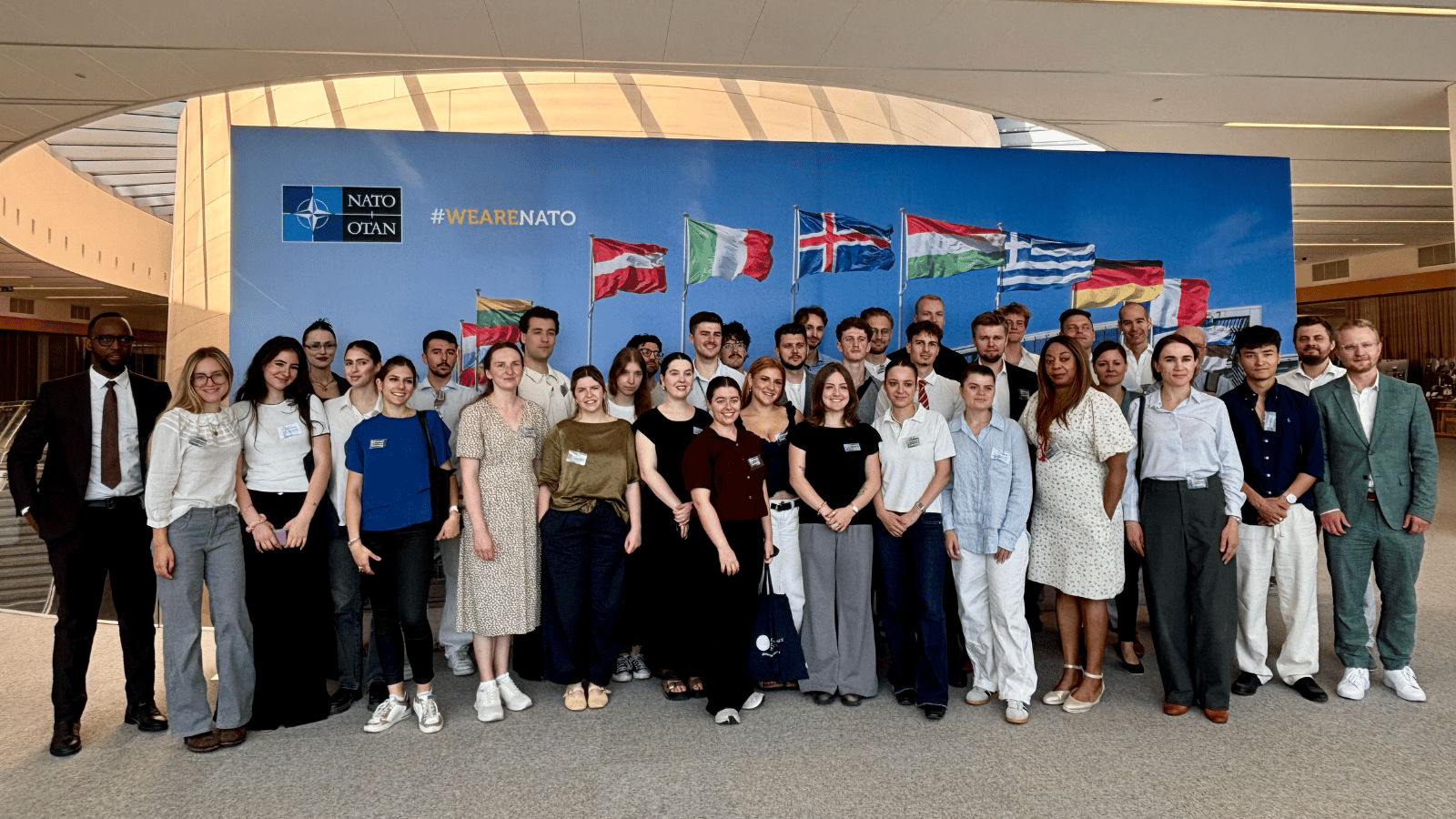
We launched the AI Global Governance Summer School in 2024 to equip participants for exactly that. Through expert-led sessions, simulations and institutional visits, including to the Council of the European Union, the EU AI Office and the United Nations Development Programme, participants learn to assess systemic risks, identify governance gaps and design strategies to mitigate unintended consequences. The approach is interdisciplinary throughout, joining theoretical insight to practical experience.
During the foundation sessions, participants engage with the key theoretical perspectives needed to make sense of the emerging architecture of AI governance. These sessions equip students with the analytical frameworks to examine the assumptions underpinning AI policy debates, including questions of sovereignty, ethics and global governance. By situating AI within broader debates on governance, students develop the capacity to analyse and respond to rapid technological change.
Through expert-led seminars and engagement with practitioners, participants gain in-depth insight into the roles, mandates and interactions of the key institutions shaping AI governance. These include international organisations, regional bodies, national governments and private sector actors, particularly those based in Brussels. Participants assess the evolving institutional landscape critically, and receive insider perspectives on developments in AI governance.
Building on those foundations, students explore the salient issues facing AI governance through interactive lectures and applied seminars. Topics include AI governance and sovereignty across jurisdictions, algorithmic bias and human rights, AI safety and risk, defence applications of AI, and the geopolitical dimensions of technological competition. The programme also addresses digital inequality, the environmental impact of AI systems, and the role of AI in shaping labour markets.
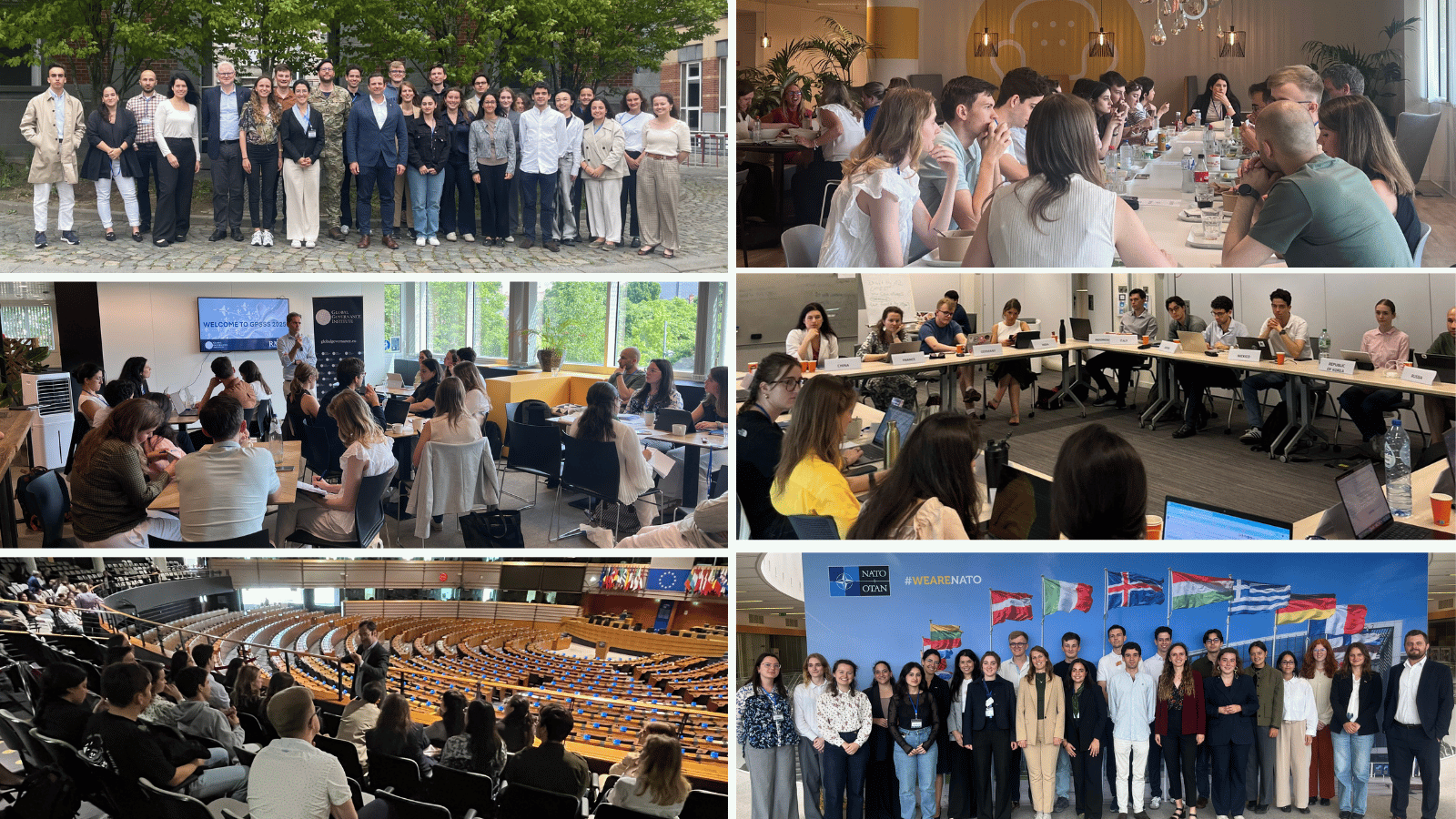
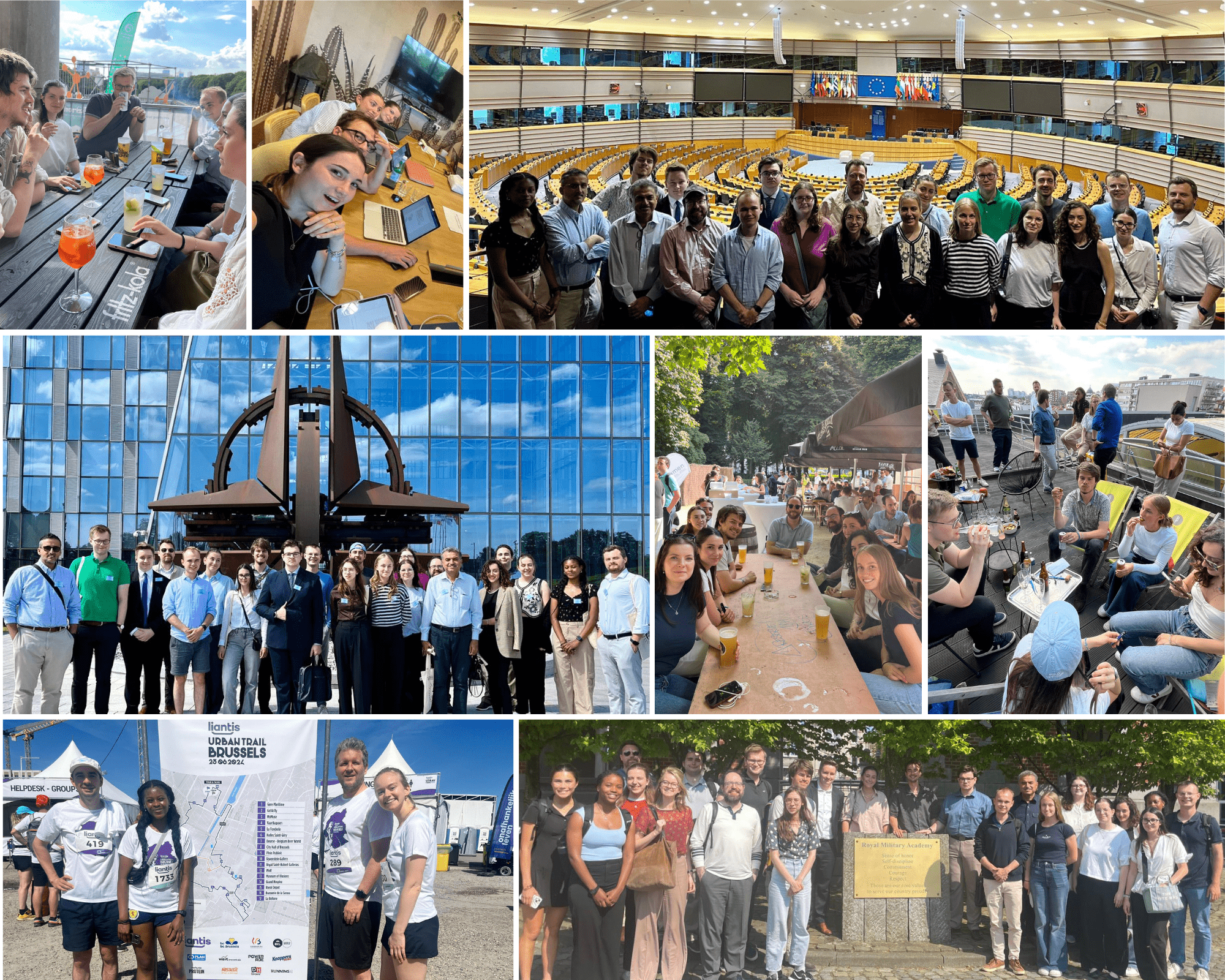
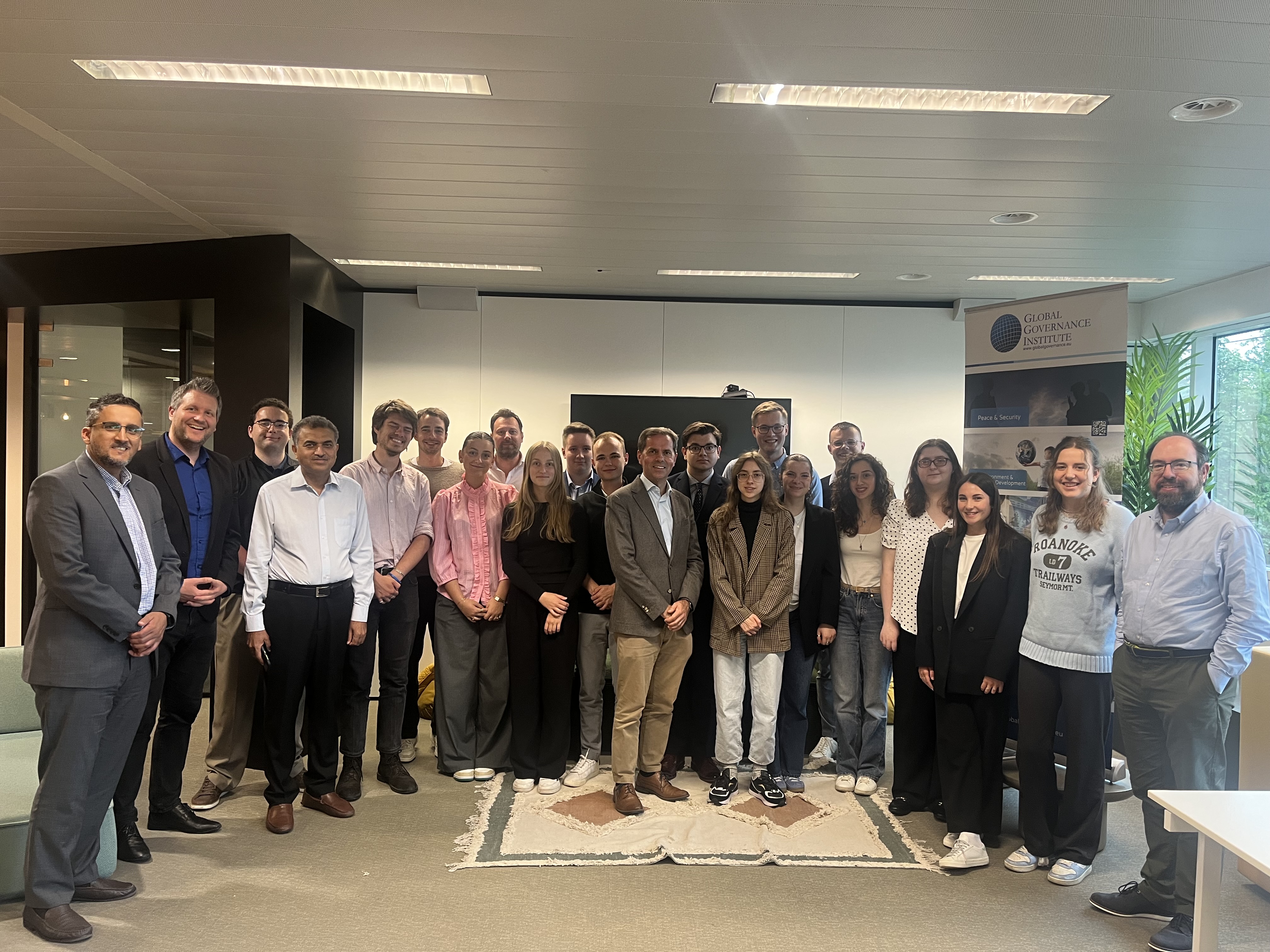
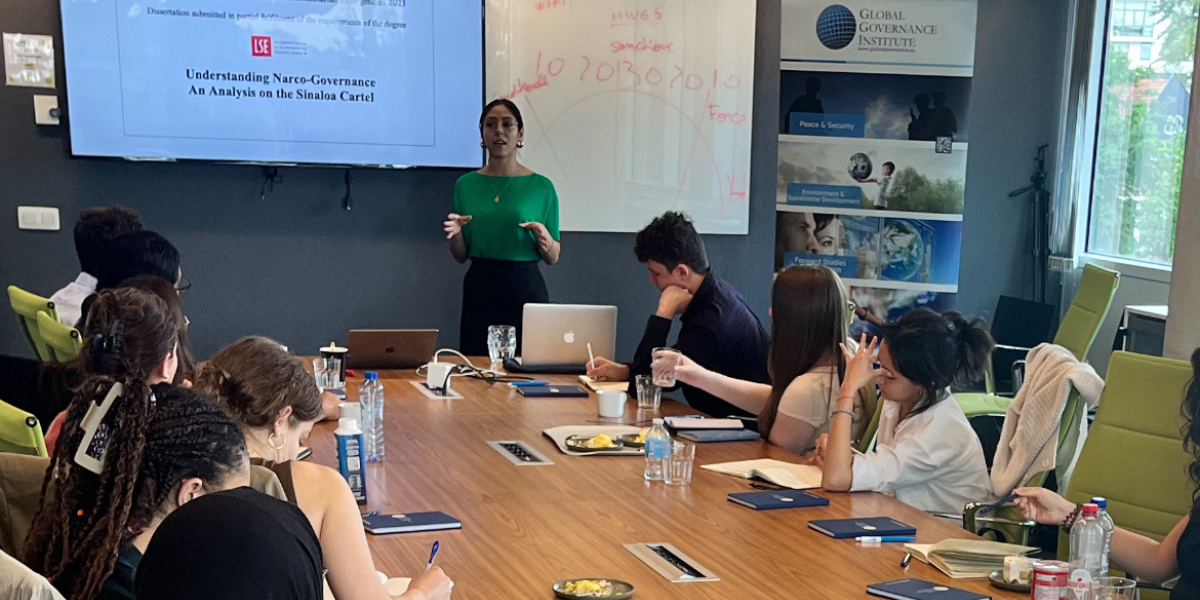
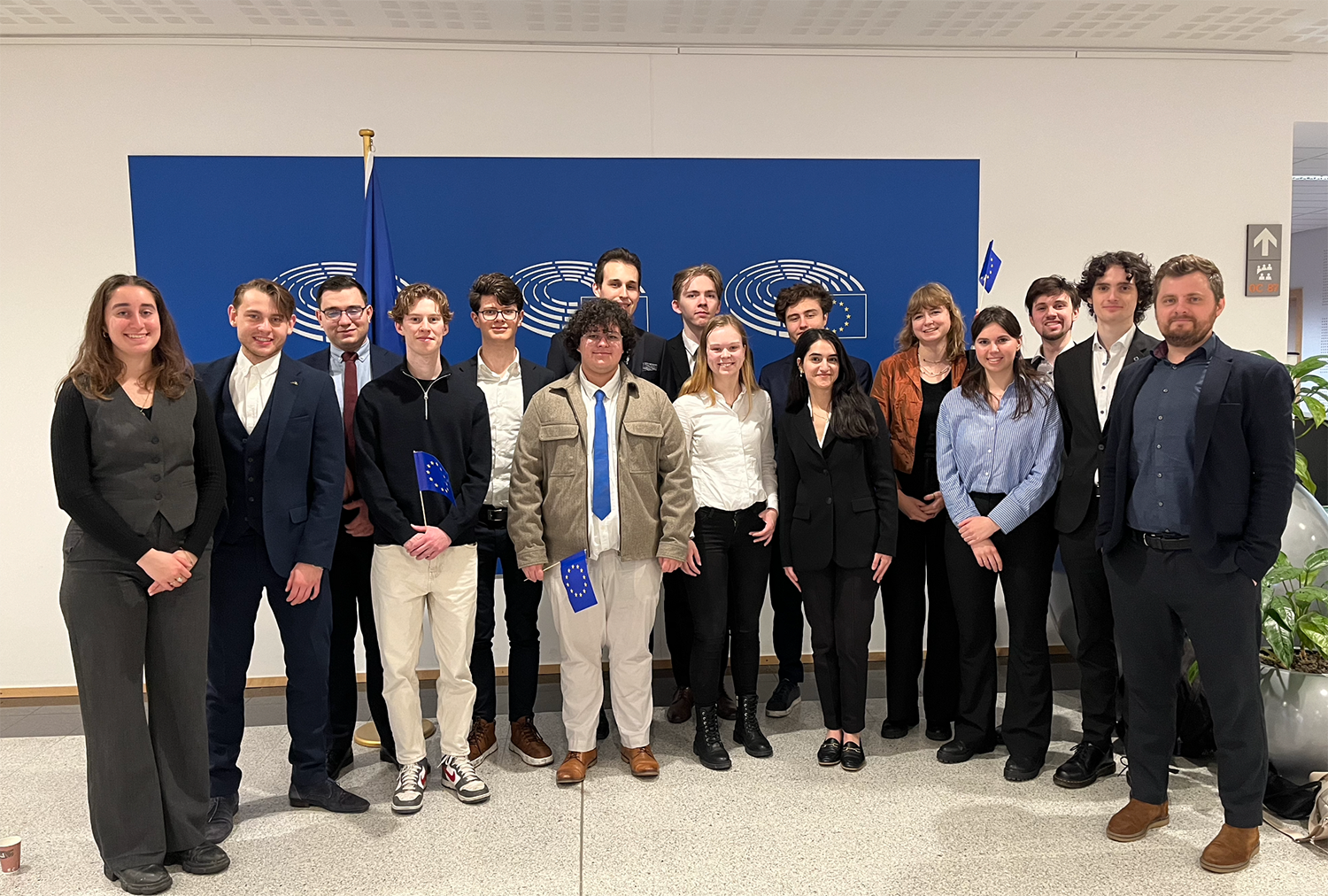
Experiential learning and networking are integral to the programme. Each session is designed for active participation, peer learning and exchange between students, academics and practitioners. Participants engage directly with Brussels-based institutions and experts, building professional networks that extend beyond the classroom.
The summer school asks students not only to analyse existing governance frameworks but to envision workable policy solutions. Through workshops, group exercises and interaction with policymakers and experts, participants develop skills in strategic thinking, policy design and stakeholder engagement, with the emphasis on turning theoretical knowledge into actionable insight.
The programme covers the architecture of AI governance, the institutions building it, and the power politics running underneath. Each is taught through live cases: the EU AI Act, the global chip race, algorithmic bias and human rights, AI in defence, and AI and climate change.
Foundation sessions set out the analytical frameworks. Practitioner sessions bring in people working inside the institutions, particularly those based in Brussels. The week closes with a hands-on workshop and a group exercise on a real AI governance problem.
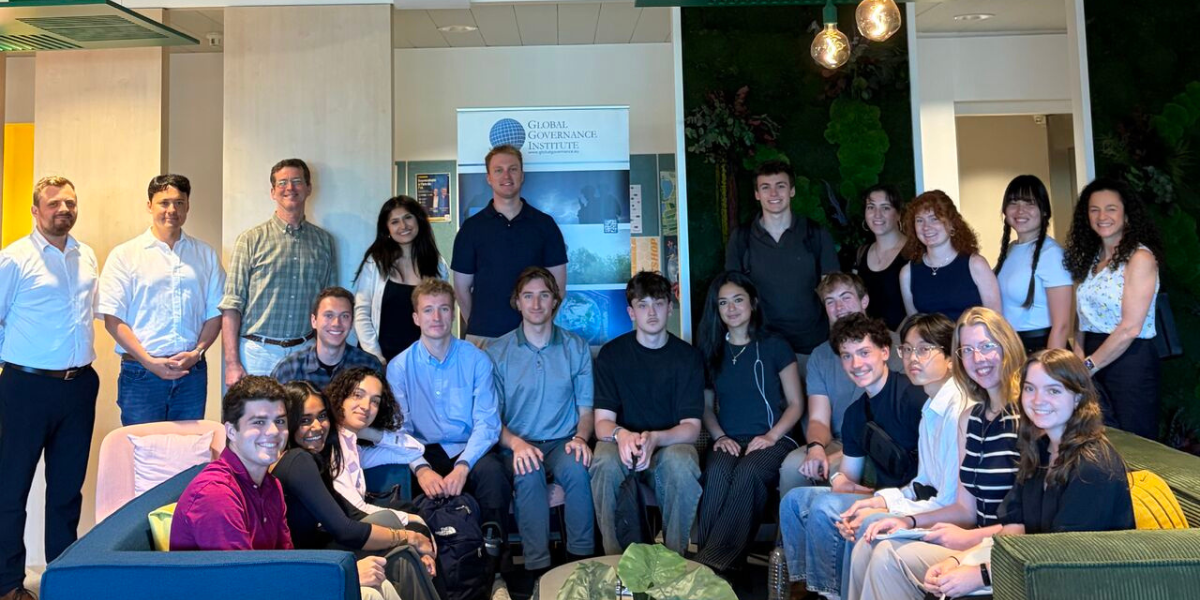
The week is spent between GGI's offices in the EU quarter and the institutions themselves: the Council of the European Union, the European Union AI Office, UNDP and the Microsoft Center Brussels.
Programme for the 2026 edition, shown for reference. Full details of the 2027 edition will be published in due course.
Samir Puri
Samir Puri has worked as a diplomat in the British foreign office and as an academic, and is now a think tanker based in Singapore.

Ania Helseth
AI Policy Head
Meta
Ania Helseth is AI Policy Head at Meta in Brussels, leading EU engagement on AI, copyright, and media regulation. She played an active role in shaping the EU AI Act and the GPAI Code of Practice. Before Meta, she held policy roles at AmCham EU, ESOA, and the Permanent Representation of Poland to the EU. Oxford-trained lawyer with 17+ years in Brussels policy.
AIGG
Adalberto Gonzalez
Co-Founder and AI Strategy & Engineering
Design Thinking Japan
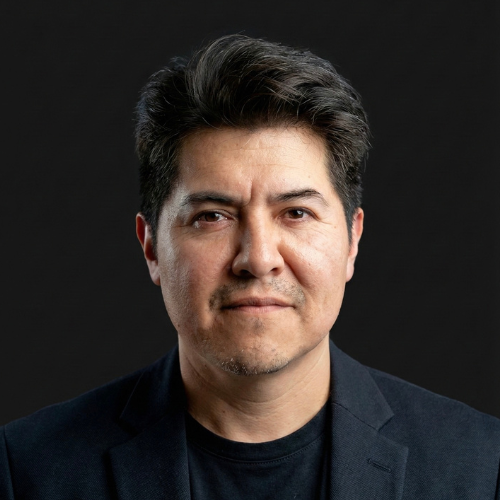
Adalberto González Ayala has been building intelligent systems since the 1990s – from early robotics and microprocessors through to production AI at scale. Over three decades he has shipped innovation for Fortune 100 companies, founded four corporate innovation labs including the first Generative AI garage at Accenture, and co-invented AI patents recognized in 29 countries. He was named Inventor of the Year. Today, as Co-Founder and AI Strategy & Engineering at Design Thinking Japan, he leads the Future Signals research programme, annual human-AI collaborative forecasting on structural shifts in how organizations and enterprises engage with AI. The 2026 report, AI: The Architecture of Intent, identifies five signals challenging conventional assumptions about capability, governance, and human judgment.He still codes. It changes every decision he makes.
AIGG
Marijn Hoijtink
Associate Professor of International Relations
University of Antwerp
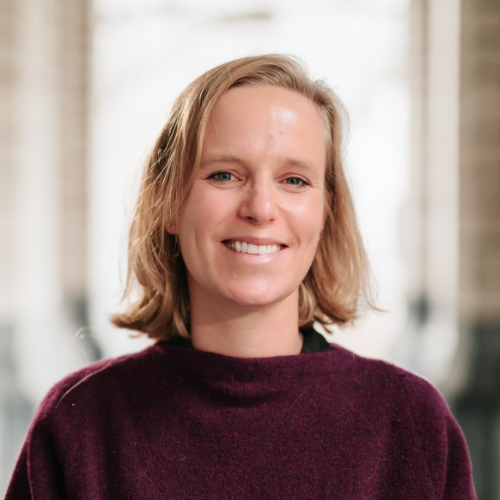
Dr. Marijn Hoijtink is an Associate Professor of International Relations at the Department of Political Science at the University of Antwerp. Her research combines insights from International Relations, critical security studies, and science and technology studies to understand how war shapes technology and vice versa. Her research project, PLATFORM WARS, funded within the framework of the Odysseus program from the Research Foundation – Flanders (FWO), investigates the expansion of the platform model in defense, and how this impacts military innovation and procurement, practices of warfighting, and regulation and ethics. She is also one of the lead researchers on the Realities of Algorithmic Warfare project, which investigates the innovation, deployment, and impact of AI systems in the military domain and how these affect civilian harm, security, human rights, and democratic principles.
AIGG
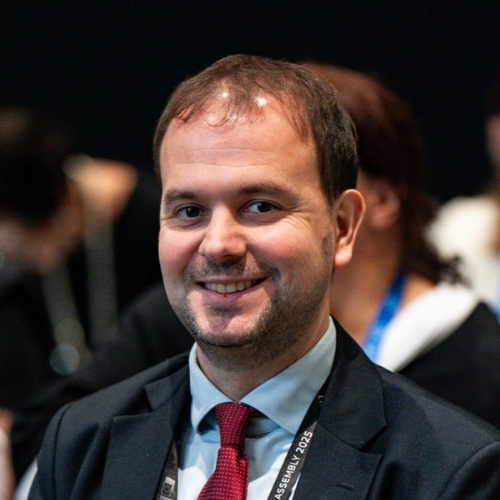
Igor Kalinic
European Commission
Dr. Igor Kalinic is a senior expert in international economics, trade, and entrepreneurship, with leadership experience spanning EU policy-making, academia, and the private sector. He currently works at the European Commission, where he contributes to the design and implementation of policies and strategic funding instruments that support innovation, competitiveness, and entrepreneurial growth across Europe. Alongside his policy role, Igor has an academic background in innovation and entrepreneurship in a global context, with publications in leading international journals. Earlier in his career, he advised companies on international market entry, trade-related strategic positioning, and cross-border growth strategies.
AIGG
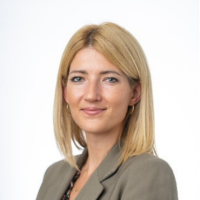
Simona Demkova
Assistant Professor in European Law
Leiden University
Dr. Simona Demková is an Assistant Professor in European Law at the Europa Institute of Leiden University. Her research focuses on EU digital regulation, particularly the evolving enforcement architecture of the EU digital acquis and the constitutional and administrative challenges arising from the design of new enforcement authorities at EU and Member State level. More broadly, her work explores the intersection of European administrative and constitutional law, fundamental rights protection, and the regulation of emerging digital technologies. She currently leads a collaborative research project on the EU’s human-centred digital transformation, funded by a Leiden University starter grant, and is the author of the monograph Automated Decision-Making and Effective Remedies (Edward Elgar, 2023). Before joining Leiden University, she worked as a postdoctoral researcher at the University of Luxembourg in the interdisciplinary project DILLAN (Digitalisation, Law and Innovation). She completed her PhD at the University of Luxembourg under the supervision of Professor Herwig Hofmann. She was a visiting scholar at the Scuola Superiore Sant’Anna in Pisa (2024) and the European University Institute (2020).
AIGG
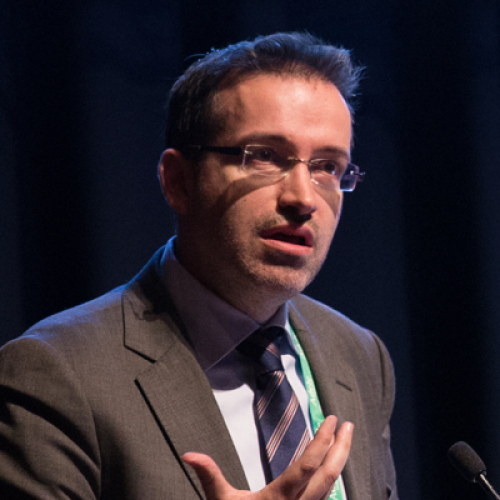
Mihalis Kritikos
Senior Policy Analyst
European Commission
Dr. Mihalis Kritikos is the new Secretary of the European Group on Ethics in Science and New Technologies (EGE) and a Senior Policy Analyst at the Ethics and Integrity Sector of the European Commission (DG-Research and Innovation) working on the ethical development of emerging technologies with a special emphasis on AI Ethics. He is also a Senior Fellow at the Brussels School of Governance (VUB) on digital ethics and rights, digital transition, AI Governance and Values and responsible innovation and author of 2 books in the field of disruptive technologies (Ethical AI Surveillance in the Workplace, Emerald, 2023 and EU Policy-Making on GMOs: The False Promise of Proceduralism, Palgrave Macmillan, 2018) Before that, he worked at the Scientific Foresight Service of the European Parliament (STOA/EPRS) as a legal/ethics advisor on Science and Technology issues.
AIGG
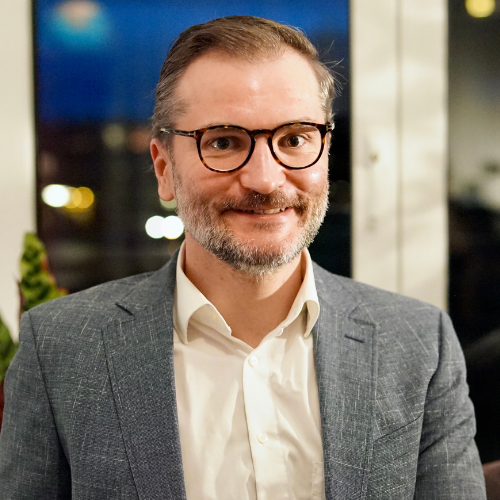
Oskar Gstrein
Associate Professor
University of Groningen
Dr. Oskar Josef Gstrein is Associate Professor at the interdisciplinary Faculty Campus Fryslan, University of Groningen in The Netherlands. He is also Programme Director of the BSc Data Science & Society, Scholar on 'Data Autonomy' at the Jantina Tammes School of Digital Society, Technology and AI, and Member of the University of Groningen Alliance for Digital Autonomy (ADA).His overall research theme is 'Human Dignity in the Digital Age'. In his research he explores the transitions from (e.g. legal/ethical/policy) principles to concrete legal or governance frameworks in the areas of digital autonomy and artificial intelligence. His research also covers the topics data protection, value-based digital infrastructure, and security related research.Oskar joined the University of Groningen to work with the first UN Special Rapporteur on the right to privacy on aspects related to internet governance. His teaching is inspired by a contemporary interpretation of the Humboldtian model of higher education.
AIGG
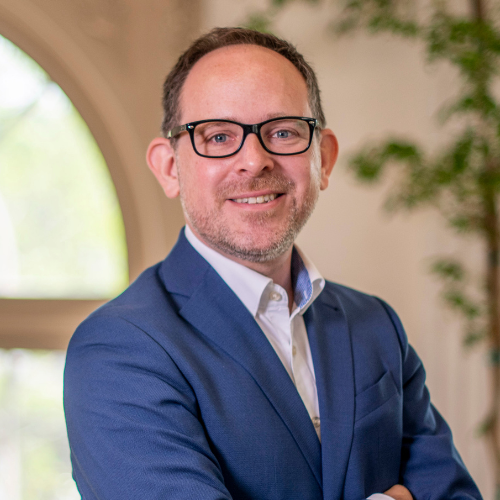
Andrej Zwitter
Professor of Human and Data Sciences
University of Klagenfurt
Dr. Andrej Zwitter is Professor of Human and Data Sciences as well as Director of theResearch Centre for Human and Data Sciences at the University of Klagenfurt, Austria. He served as Dean of the Faculty Campus Fryslan and founding dean of the University College Fryslan, University of Groningen, Netherlands. He was a founding board member of the WEF Chapter Zero, Netherlands and of the urban data centre Data Fryslân. He was also the program director of the research group on Human Flourshing at The New Institute in Hamburg. His expertise covers data governance, law and ethics of digitalization, as well as emergency management and sustainability and human flourishing.
AIGG
Tom Simoens
Professor
Belgian Royal Military Academy
Lieutenant Colonel Dr. Tom Simoens is a Professor of History at the Royal Military Academy in Brussels, where he leads the Department of Conflict Studies. He specialises in military history, with a focus on the First World War and military justice. Since 2022, he has frequently provided analysis for the Belgian press on the war in Ukraine. Since the summer of 2022, Dr. Simoens has noted increasing parallels between the conflict in Ukraine and the Western Front from 1914-1918.
GPSSS
Pierre Jean Dehaene
Doctoral Researcher
Belgian Royal Military Academy
Pierre is a PhD candidate at King’s College London and a soldier in the Belgian army. He has spent his 15-year career as a Special Forces operator with well over a dozen deployments in central Asia, the Middle East, and most recently in Africa. His PhD concentrates on two central themes: coping with uncertainty (the ultimate strategic question) and the tactical conversion problem. His ambition is to reanimate the tactical level of warfare to match the current and unfolding characteristics of war (and non-war). In addition to his studies and military duties, Pierre guest lectures at various universities and institutions on strategy, uncertainty, unconventional leadership, and change readiness.
GPSSS
Cosmin Dobran
Director for Peace, Partnerships and Crisis Management
European External Action Service (EEAS)
Cosmin Dobran is a manager at the European External Action Service with extensive experience in European affairs, both at national and European level. On 1 February 2023, he took up the position of Director for Peace, Partnerships and Crisis Management. A former Romanian diplomat, with postings in Washington DC and Brussels, he has an established track record in foreign and security policy and has represented Romania and the European Commission in the EU Political and Security Committee. He has worked on a variety of external action areas, including development, trade and economic governance but also European internal policies, at the General Secretariat of the European Commission, such as agriculture, energy, transport, environment, health, employment, education and youth. He has studied at the Academy of Economic Studies in Bucharest and the School of Advanced International Studies in Washington DC.
GPSSS
Peter Philipsen
Chair of World Politics
Belgian Royal Military Academy
Colonel (GS) Peter Philipsen graduated from the Royal Military Academy in 1989 with the 125th promotion ‘Alle Wapens’ and received a master’s degree in social and military sciences. After completing his professional education as an engineer officer, he is appointed to the 1st Engineer Battalion in Westhoven (Germany). In 2000 he graduated from the Senior Officers Course in the Royal Higher Institute of Defense and in 2005, after graduating as a master’s in political and military Sciences from the Defense College in the Royal Military Academy, he stayed in the institute to teach engineer support to land operations. In 2017, he graduated from the higher studies for Security and Defense. For three years he was the commanding officer of the 11 Engineer Battalion in Burcht near Antwerp (Belgium). This is a multi-role engineer battalion, consisting of 590 men and women. Later, he commanded the Competence Center of the Land Component, an institute that organizes all professional education in Land warfare. During his career Colonel (GS) Philipsen was deployed several times in missions abroad. He participated in a NATO operation in KOSOVO (2000), in the UNIFIL (UN) demining mission in Lebanon (2012) and in a NATO mission (Resolute Support) in Kabul (Afghanistan) (2018). Currently, Colonel (GS) Philipsen is head of the World Politics Chair in the Conflict Studies Department at the Royal Military Academy.
GPSSS
Christopher Case
Senior Intelligence Analyst
NATO Supreme Headquarters Allied Powers Europe (SHAPE)
Mr. Christopher Case is the senior intelligence analyst for Hybrid Threats and Emerging and Disruptive Technologies assessments at NATO’s Supreme Headquarters Allied Powers Europe (SHAPE). He is a career intelligence officer with over twenty years’ experience in strategic, operational, and tactic analysis. Mr. Case served in the US Army for five years analyzing counter-terrorism and counter-insurgency topics and deployed to Iraq for sixteen months to directly support operations. As a civilian analyst for the US Defense Intelligence Agency, Mr. Case analyzed a variety of problem sets and twice deploying to Afghanistan to support NATO operations. He also provided support to NATO’s Operation Unified Protector in Libya in 2011 before assuming his current position with SHAPE in 2019. Mr. Case holds a Bachelor of Arts in international affairs from Vesalius College and a Master of Arts in international conflict and security at the University of Kent’s Brussels School of International Studies. He is currently a PhD candidate with Leiden University researching the military implications for NATO from biotechnologies and human enhancement.
GPSSS
Rory Keane
Head of UNLOPS, Brussels
United Nations Liaison Office for Peace and Security (UNLOPS)
Rory has worked for several years on matters relating to foreign policy and peace and security with various organizations, including the OSCE, the OECD DAC, the EU and the United Nations. In addition to expertise on international relations, political analysis, peacekeeping, conflict prevention and international security policy, Rory has worked in and on post-conflict settings notably the Western Balkans, West Africa and the Sahel and Central Africa. Rory holds a PhD in international relations and a Marie Curie post-doctoral fellowship related to EU foreign and security policy.
GPSSS
Tony van der Togt
Senior Researcher
Clingendael Institute
Tony van der Togt studied contemporary history in Amsterdam (Free University) and Nijmegen (Radboud University) and is currently a PhD candidate at the Institute of History of Leiden University, researching the role of Russian think tanks in relation to the changing Russian strategic narratives towards Europe. He has recently retired after a long career as a Dutch diplomat, dealing with Eastern Europe and Central Asia, both in The Hague and in Moscow, Almaty and as Dutch Consul-General in St. Petersburg. In 2013 he acted as Dutch co-ordinator of the Netherlands-Russia bilateral year. As a Senior Research Fellow at the Clingendael Russia and Eastern Europe Centre (CREEC) since 2014, he has published widely on EU-Russia relations, the EU’s Eastern Partnership, Dutch-Russian bilateral relations and the Eurasian Economic Union. He also participated in a number of dialogue platforms with Russian and other international experts, including in the framework of the EU-Russia Expert Network, the Minsk Dialogue and the Cooperative Security Initiative. After his retirement he still serves as an Associate Fellow at CREEC, contributing on Russian domestic and foreign policies.
GPSSS
Vincent Joassin
Senior Captain
Belgian Royal Military Academy
Vincent Joassin is military officer from Belgium with a diverse background. Graduating from the University of Liège in 2008 with a bachelor’s degree and then a master’s degree in political sciences (2009), he went on to pursue further education, obtaining master’s degrees in social Geography at the University of Rebound Nijmegen (2010) and Management (2016) from HEC Liège. Vincent started his academic career at Belgorod University where he conducted research about cross border and geopolitical relations between Russia and Ukraine. He later explored the world of international press while residing in Moscow. In 2012, he transitioned into the military, serving as a military analyst in the air force, working especially on NATO Eastern flank. Beyond academia and military service, Vincent has developed specialized knowledge in Open-Source intelligence and digital technologies with experience in R&D and project management in the industry.
GPSSS

Cecília N.B.
Brazil
2026
GPSSS
As an International Relations student in Brazil, I found the GPSSS to be an exceptional opportunity. The programme's emphasis on cybersecurity, hybrid threats, mediation, protection of civilians, and the tactical dimensions of contemporary conflicts offered me a deeper understanding of today's complex security landscape. Being in the heart of the European Union also made the institutional visits especially valuable. Above all, learning directly from experienced and highly qualified practitioners and engaging with participants from multiple backgrounds strengthened my analytical and intercultural skills. I leave the programme inspired to further explore contemporary issues and to apply what I have learned in my research and future professional career.
1

Andiara
Brazil
2025
AIGG
Attending the AIGG Summer School was a profoundly eye‐opening experience—what I'll remember most are the intense ethical debates that threaded every session, from our discussions on catastrophic AI risks and autonomy to the case studies on AI's impact on human rights and climate justice. Each speaker pushed me to grapple with questions of fairness, accountability, and the moral limits of automated decision‐making. Even our visits to the UN's human rights office and the EU AI Office were structured around ethical inquiry, showing how values translate into policy in real time. I left energized, my thinking sharpened by hard questions about bias, transparency, and the public good, and inspired to bring these ethical insights back to boardrooms and classrooms.
1
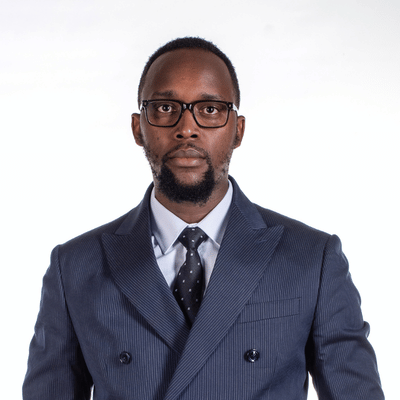
Samuel B.
Belgium
2026
GPSSS
I came to GPSSS as a practitioner - an investigative journalist and open-source analyst working on the African Great Lakes - looking to convert a decade of field knowledge into the formal language of strategic and security studies. The programme delivered exactly that. Few summer schools manage to combine the conceptual grounding of the Global Governance Institute, the strategic and warfighting depth of the Royal Military Academy, and genuine access to NATO, the EEAS and the Council in a single intensive arc. The hybrid-threat and disinformation sessions reframed work I'd been doing for years, and the G20 simulation forced a discipline of analytic neutrality that lectures alone can't teach.
2

Isabella
Switzerland
2025
AIGG
The Global Governance Institute's AI Governance Program provided an excellent deep dive into the security, geopolitical, and regulatory challenges posed by high-risk AI systems, particularly in humanitarian and conflict contexts. Engaging with experts from NATO, the EU, the UN, and leading think tanks offered valuable insights into how global governance frameworks are evolving in response to emerging technologies. The lecturers and organisers were also outstanding, bringing together practitioners from across disciplines to enable the kind of interdisciplinary dialogue critical for advancing responsible AI governance. I highly recommend the program!
2
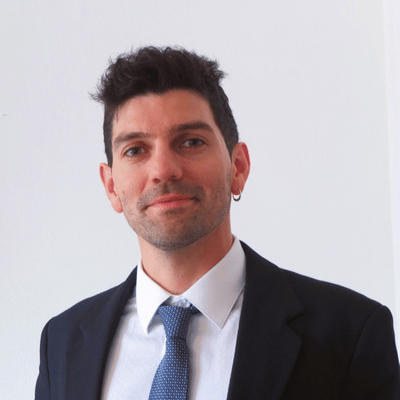
Sebastian B.C.
Chile
2026
GPSSS
I appreciated the topics addressed during GPSSS 2026 because they helped me understand how technologies, big (tech) corporations, and non-state actors are playing a crucial role in global security, particularly the global race for AI and its impact on power dynamics among states. The interplay between geopolitics, global security, and technology is reshaping the global security landscape, and strategies to strengthen democracy and protect fundamental rights must take these dynamics into account.
3

Larissa
Brazil
2025
AIGG
The course offered in-depth discussions led by experts in the field. It went beyond the topic of AI Governance to include valuable market comparisons, focusing on the EU, the US, China, and Japan, as well as critical discussions on the themes such as AI and Human Rights, Climate Change, and International Justice. The visits to institutions such as NATO, the European Commission's AI Office, and the United Nations were both engaging and informative. The faculty and the entire organizing team were exceptionally kind and welcoming.
3
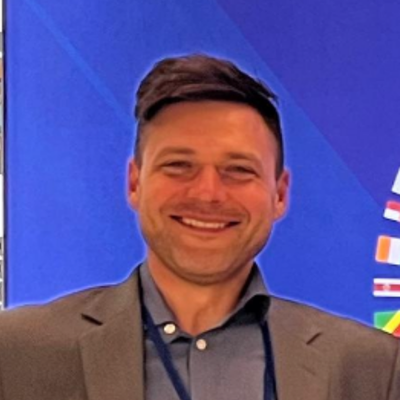
Shane A.
Canada
2026
GPSSS
The quality and depth of topics covered by the top-tier speakers surpassed my highest expectations for the course. The focus on interaction with the experts created a very positive and in-depth learning environment; this also spilt over into the lunches where we could have meaningful one on one conversations with them as well.
4
GGI Organizes First Summer School on AI and Global Governance
The summer school welcomes applicants from government, international organisations, think tanks, academia, civil society, and the private sector. This may include policymakers, diplomats, regulatory professionals, researchers, analysts, legal and technology specialists, and others whose work touches on the governance of AI. It is best suited to participants looking for a structured and substantive understanding of how AI is reshaping global affairs and how governance systems are responding in practice. AIGG also offers a valuable opportunity to learn from established academics, policymakers, and practitioners, and to engage with an international group of peers in Brussels. As the programme is conducted entirely in English, participants must have a good command of the language. Applicants should also be able to travel to Brussels, Belgium, and possess any necessary visa or residence permits for the duration of the programme.
Complete the application form. You will receive a confirmation email on submission. Applications are reviewed on a rolling basis, and you can expect a response within no more than five days of submission.
Participants must attend a minimum of 70% of sessions, actively engage in all activities, and complete the assignments to receive a certificate.
AIGG takes place at the premises of the Global Governance Institute, Cours Saint Michel 30A, 1040 Brussels, with thematic visits to the EU and other institutions in Brussels.
GGI reserves the right to cancel the programme up to one month prior to the scheduled start date. In such cases, all registration fees already paid will be fully refunded. Participants may withdraw from the programme by providing written notification. Refunds will be issued as follows: a full refund for cancellations received 30 days or more before the start date; a 50% refund for cancellations received between 15 and 29 days before the start date; and no refund for cancellations received fewer than 15 days before the start date. A 10% administrative fee will be deducted from any reimbursement issued.
Travel to Brussels and accommodation are not included in the fee. We share a list of recommended options with all accepted participants. Please note that we cannot sponsor applicants through scholarships or tuition waivers.
We evaluate applications on a rolling basis, and applicants are informed of the outcome within maximum five days of submitting. If you have any questions before applying, write to us at education@globalgovernance.eu.
Questions? education@globalgovernance.eu