Since Donald Trump’s re-election as the next president of the United States there has been much speculation as to how his presidency would change the trajectory of the Russia-Ukraine war. While no official plans have been formulated, based on Trump’s previous remarks, as well as a peace plan published by his newly appointed special envoy for Ukraine and Russia, retired lieutenant general Keith Kellogg, it is expected that Trump may push for a ceasefire agreement between Russia and Ukraine (likely on Russia’s terms), potentially monitored by European peacekeeping forces. Many experts have explained the dangers of such a solution, and why it is unrealistic. But even if Trump succeeded in getting Ukraine and Russia to sign some type of a settlement, however unlikely, an even bigger mistake that the Trump administration is likely to make is downgrading Russia’s threat to American national interest in favor of shifting resources to tackle China and Iran. Equally erroneous is the idea that if Trump's “peace plan” were to work, the U.S. could reduce its military aid for Ukraine.
The new Trump administration has signaled that China and Iran, not Russia, will be America’s foreign policy priorities. Underestimating Russia’s neo-imperial ambitions and their threat to American national interests has been a characteristic of American foreign policy for at least two decades. This oversight has contributed to emboldening the Kremlin to use military aggression against its neighbors, most notably in 2008 when Russia invaded Georgia to prop up Georgia's self-proclaimed republics and prevent Georgia from pursuing pro-Western orientation. Facing few, if any, repercussions for the Georgia invasion, the overconfident Putin invaded Ukraine and annexed Crimea in 2014. Once again, the West’s response failed to impress – having adopted the “let Russia be Russia” mindset, the West largely normalized Russia’s aggression against Ukraine.
Trump’s normalization of Putin’s regime in the current security environment will be even more catastrophic given the volatilities caused by the ongoing wars in the Middle East, and the growing military, economic, and political ties between China, Iran, Russia and North Korea – all seeking to undermine the power of the U.S. and its allies.
Regardless of how successful the Trump administration may be in “ending the war” in Ukraine, Moscow will not change its aggressive foreign policy toward its neighbors and beyond. Nor will it change its strategic objective of dismantling the U.S.-led transatlantic and global order. From Putin’s point of view, the West is already at war with Russia. In the Russo-Ukrainian war, Russia perceives Ukraine as acting at the behest of the West, Russia’s main adversary. Hence, Moscow views its war with Ukraine as an asymmetric war against a superior opponent, NATO. As Kaupo Rosin, head of Estonian intelligence, wrote in a 2024 report, “in the Kremlin’s mindset, they are not only fighting Ukrainians, but their chosen path involves a long-term confrontation with the entire ‘collective West’.” Given Russia’s strategic objectives of undermining the power of western democracies, Moscow is expected to use any pause in fighting to ramp up its military production, rebuild its armed forces, regroup, and restrike. Contrary to some western experts’ claims that Russia’s threat to Europe is unjustifiably inflated, most European governments assess Russia’s threat as both more serious and more imminent.
Thus, at the end of 2024, both German and Estonian intelligence services agreed in their assessment that Russia’s posture toward the West had been increasingly more aggressive and that Russia could launch a direct assault on NATO by 2030. German Defense Minister Boris Pistorius gave an even starker warning that Russia could seek to attack a NATO member state within five to eight years, while his Danish counterpart suggested that Russia’s willingness to test NATO’s Article 5 could happen even sooner – within three to five years. With a similar sense of urgency, in January of last year, the chief of the British Army, General Patrick Sanders, called on the British public to prepare for a war with Russia not only by strengthening the British armed forces, but also by making a mental “shift” in the public’s perception of Russia as an enemy.
In contrast, the U.S.’s assessment of Russia’s threat to NATO has been somewhat toned down compared to that of Europeans. Thus, the annual threat assessment of the U.S. Intelligence Community published in February 2024 stated that “Russia almost certainly does not want a direct military conflict with U.S. and NATO forces and will continue asymmetric activity below what it calculates to be the threshold of military conflict globally.” The report did, however, acknowledge that Russia “directly threatened the United States in an attempt to assert leverage regionally and globally” while highlighting that “Russia’s strengthening ties with China, Iran, and North Korea to bolster its defense production and economy are a major challenge for the West and partners.”
Complicating the matter is the fact that in the U.S., perceptions of the degree of Russia’s threat have been increasingly diverging along party lines. In 2022, approximately half of Republicans and half of Democrats viewed the Russian invasion of Ukraine as a threat to the U.S. national interests. However, in 2024, only 19 percent of Republicans said that Russia’s invasion was a major threat to U.S. interests, compared with 42 percent of Democrats. Given the prospects of Republican control of both chambers of the U.S. Congress, as well as the White House, it is highly probable that the U.S. government will continue downgrading Russia’s threat in its system of national priorities. This oversight may not only lead to more devastation and deaths in Ukraine, but also buy Russia valuable time in modernizing its military and challenging America’s power and interests globally.
The U.S. can no longer afford downplaying Russia’s military ambitions, not least due to the growing military ties between Russia, China, Iran and North Korea. The Russia-Iran partnership alone is responsible for two of the world’s deadliest conflicts – in Ukraine and Syria, and plays a significant role in challenges of concern to the U.S., including “nuclear proliferation, cybersecurity, authoritarian resurgence, disinformation campaigns, human rights violations, illicit finance, and the weaponization of energy resources.” Yet, America is woefully unprepared to tackle those challenges. A recent report commissioned by the U.S. Congress painted a bleak picture of the state of America’s defense – America’s level of military preparedness is the lowest it has been in 80 years, while its odds of fighting a major war are the highest.
In their recent Foreign Affairs article, General Mark Milley, former Chairman of the Joint Chiefs of Staff, and Eric Schmidt, former CEO of Google, warned that the United States was unprepared for the wars of the future. While America still outspends Russia and China in AI, it “could struggle to overcome the bureaucratic and industrial obstacles to deploying its inventions on the battlefield.” The two experts caution that it will not be enough for the U.S. officials to change and adapt to the new security environment, they must “do so faster than their country’s adversaries.” Time is of the essence. America no longer has the luxury of normalizing Russia and giving it valuable time to rebuild its military machine.
President-elect Trump on several occasions advanced the idea that Europeans should become self-sufficient in their defense needs. Thus, he suggested that Europeans should absorb the costs for sending an armed peacekeeping force to Ukraine, as well as proposed that NATO members should raise defense spending from two to five percent of gross domestic product.
However, Europeans do not need Trump to tell them that they need to spend more on defense. European defense spending began to grow as early as a decade ago, following Russia’s annexation of Crimea, and only increased further in response to Russia’s full-scale invasion in February 2022.
Faced with significant ammunition and weapon production shortfalls and the inability to meet Ukraine’s defense needs adequately, in March 2024, European Union officials adopted the first ever defense industrial strategy to enhance Europe's readiness and security. The new strategy reflects a “paradigm shift from emergency response to defense readiness” and sets a clear, long-term vision to achieve such readiness. As part of the new strategy, the EU aims to streamline procurement to make it easier for European governments to identify projects of common interest – such as cyber defense capabilities, integrated European air and missile defense systems, and other needs – and pool funds to procure the needed capabilities.
These are steps in the right direction, but it will take Europeans years to overcome many institutional, political and economic problems to get its defense industrial base on proper war footing. Meanwhile, despite sanctions, Russia has dramatically increased the production of artillery rounds, long-range missiles, and drones since its full-scale invasion of Ukraine in 2022, as reported by the UK's leading defense think tank RUSI, and is preparing for the long war.
In the current security environment, the U.S. letting up on European defense would be playing into Russia’s hands. Even if the Trump administration would somehow be able to pause the war between Russia and Ukraine, this would not solve Ukraine’s and Europe’s long-term defense challenges. Europeans lack adequate resources to assist with Ukraine’s long-term defense capabilities, force quality, and sustainment needs without America’s support. The U.S. military aid to Ukraine will need to continue, paired with long-term deterrence and defense mechanisms against Russia’s future aggression.
Contrary to some experts’ claims that military aid to Ukraine would reduce America’s readiness for conflict in higher priority theaters, such as the Indo-Pacific, American military aid to Ukraine has not only benefited the American economy, but it has been a catalyst of long overdue reforms in the U.S. military defense production. The vast majority of America’s military aid for Ukraine has already gone, or will go, straight back into the U.S. economy either through reimbursing American employees for military education and training provided to the Ukrainian government or other foreign countries supporting Ukraine, or by awarding contracts to American weapons manufacturers to replenish U.S. stockpiles. One analysis found that as much as 90 percent of the $68 billion in military and related assistance the US provided since Russia’s large-scale invasion in 2022 has gone to Americans.
Additionally, military aid to Ukraine has already stimulated “capability development and organizational change” in the American defense establishment. Since 2022, the U.S. government has mobilized its defense industrial base by increasing orders on certain items relevant to Ukraine’s current battlefield needs, as well as modernizing domestic ammunition manufacturing capabilities. The U.S. has also leveraged its power to encourage and coordinate the global production of materiel for Ukraine. The resultant capacity expansion will also improve U.S. military readiness.
In the current strategic environment, the effectiveness of militaries in no small measure depends on governments’ ability to integrate technological innovations into their defense infrastructure at scale and with the speed exceeding those of the competitors. The Russo-Ukraine war has revolutionized defense technology at an unprecedented speed. It has also demonstrated the critical importance of effective public-private cooperation, especially in the defense sector, to national survival. Both Russia and Ukraine have increasingly relied on advanced technology like unmanned aerial systems to achieve military goals. Russia has already been deploying unmanned ground vehicles that can launch anti-tank explosives. Ukraine’s expanded use of ground robots has included casualty evacuation and explosive disposal. Ukraine’s ingenuity at rapidly turning commercial technology into military capability has played a significant role in Ukraine’s effective resistance against Russian forces.
The U.S.’s cumbersome bureaucracy puts it at a disadvantage in its competition with authoritarian states that can adopt changes, including in the public-private cooperation, more quickly. Additionally, the U.S. military is plagued by “budgets that are too small, spending bills passed too late, legacy weapons preferred over new ones and a public either unaware of the challenges America faces or unmotivated to respond,” states a recent report on American military readiness commissioned by the U.S. Congress. To better harness technology coming out of the private sector, Condoleezza Rice, former U.S. Secretary of State and National Security Adviser, called for critical reforms to the defense budgeting process including “speeding up the Pentagon’s slow procurement and acquisition processes.”
Ukraine is now a global hub for defense innovation and a fertile ground for foreign investment. While resisting a large-scale Russian invasion, Ukraine’s defense industry has experienced an extraordinary boom: the country has exponentially increased the production of its own drones, missiles, electronic warfare systems, and other military kit to meet the needs of soldiers fighting on the front lines. Ukraine’s first deputy minister of defense, lieutenant general Ivan Havryliuk, reported that last year alone the ministry adopted and codified the use of more than 900 domestically produced weapons and equipment. At the end of last year, Ukraine held the second international defense industries forum which attracted representatives of more than 280 defense companies and associations from some 30 countries and resulted in numerous new agreements and contracts signed.
Given the limited capacity and political will of Ukraine’s partners to provide for Ukraine’s defense needs long-term, the U.S. and Europe should prioritize enhancing Ukraine’s domestic arms production capabilities as an investment in a more self-sufficient and secure Ukraine, which is a keystone of Europe’s security.
Regardless of how Trump approaches peace-making in Ukraine, it is fully expected that his administration will continue pushing Europeans toward making bigger contributions to Ukraine’s defense, as well as transatlantic security and defense writ large. Trump should also let Europeans lead the way in assessing Russia’s threat to the “collective West” and shaping transatlantic deterrence and defense strategy vis-a-vis Russia accordingly.
While pushing Europeans to step up their defense efforts, the Trump administration should not lose sight of the fact that American defense production must be revolutionized as well, and that it is best achieved in close cooperation with Europe, as well as Ukraine. More critically, the Trump administration should reconsider reducing American military aid for Ukraine – continued military aid will not only preserve Ukraine as a viable state and slow down the Russian military machine, but it will also advance America’s defense industrial base, as well as add credibility to American deterrence against its adversaries around the world.
The war in Ukraine has also highlighted the urgency of optimizing public-private cooperation in defense innovation. Trump’s recently announced nominations of industry representatives to shape defense policy may offer optimism for long overdue improvements in harnessing technological innovation in the commercial sector for national defense. The Trump administration presents many other opportunities to improve America’s deterrence and defense, as one of the leading American defense scholars Kori Schake asserts, but only if the new president takes more risks to ensure that Russia’s war fails.
No less important than policy changes is the need to cultivate a defense readiness culture across all government institutions and among the general public in the U.S. This defense readiness culture must be based on a clear understanding of the dangers of the rapidly changing security environment in which American adversaries, chief among them Russia, have been getting more belligerent and aggressive in challenging American power. This cognitive shift begins with a clear understanding that Ukraine is the first line of defense against Russia and other authoritarian regimes seeking to weaken western democracies.
Olena Lennon, Ph.D., is a GGI Non-resident Senior Fellow, and a Practitioner in Residence in the Department of National Security at the University of New Haven in the U.S.
Is South Sudan Ready to Vote? Assessing the Prospects for a Credible Election in December 2026
is-south-sudan-ready-to-vote-assessing-the-prospects-for-a-credible-election-in-december-2026
Briefing
Peace and Security
September 28, 2026
Justice-Ready by Design: What the UN’s Work with Victims of Terrorism Reveals About Digital Public Infrastructure
justice-ready-by-design-what-the-uns-work-with-victims-of-terrorism-reveals-about-digital-public-infrastructure
Commentary
AI Governance
September 23, 2026

A Start, Not an End: Reflections on the Peace Operations Review Report
a-start-not-an-end-reflections-on-the-peace-operations-review-report
Analysis
Peace and Security
September 21, 2026
European Nuclear Arms and Arms Control in an Age of Uncertainty
european-nuclear-arms-and-arms-control-in-an-age-of-uncertainty
Analysis
Peace and Security
September 10, 2026
A Blueprint for the Global Governance of Autonomous Weapon Systems
a-blueprint-for-the-global-governance-of-autonomous-weapon-systems
Report
Peace and Security
August 28, 2026
AI, Sustainable Development and the Future of Education: A Governance Imperative
ai-sustainable-development-and-the-future-of-education-a-governance-imperative
Commentary
Global Education
August 17, 2026

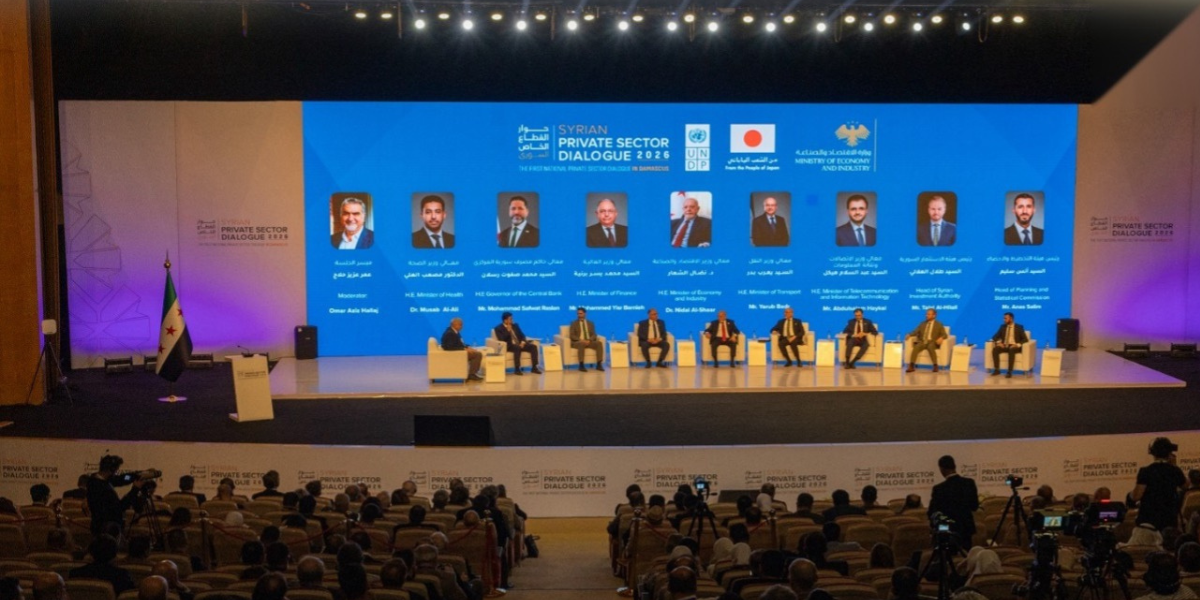
Financing Syria's Recovery: The EU and a Fragile Economic Opening
financing-syrias-recovery-the-eu-and-a-fragile-economic-opening
Briefing
Global Economy
August 12, 2026
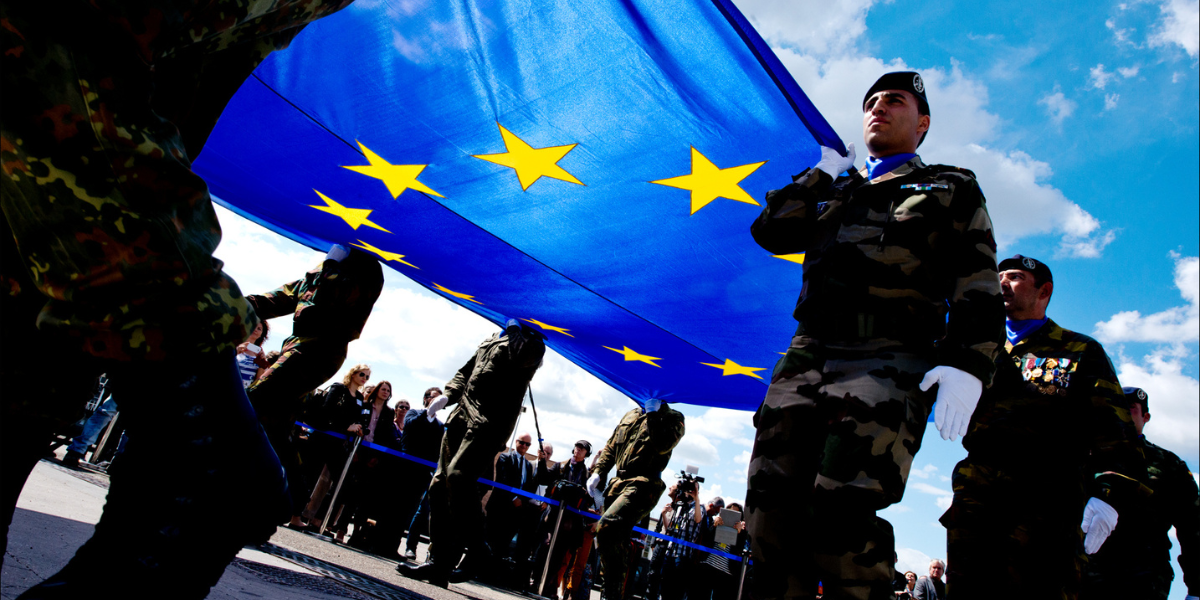
European Defence: The European Union Framework as a Dead End
european-defence-the-european-union-framework-as-a-dead-end
Briefing
Peace and Security
July 22, 2026
The New Development Bank Joins the Shift Towards Nuclear Energy Financing
the-new-development-bank-joins-the-shift-towards-nuclear-energy-financing
Commentary
Global Economy
July 13, 2026
.png)
An Issue Area Approach to Defending Global Governance
an-issue-area-approach-to-defending-global-governance
Briefing
Peace and Security
July 2, 2026

Europe’s Defence Supply Chains Need Africa and the Global South
europes-defence-supply-chains-need-africa-and-the-global-south
Commentary
Global Economy
June 12, 2026

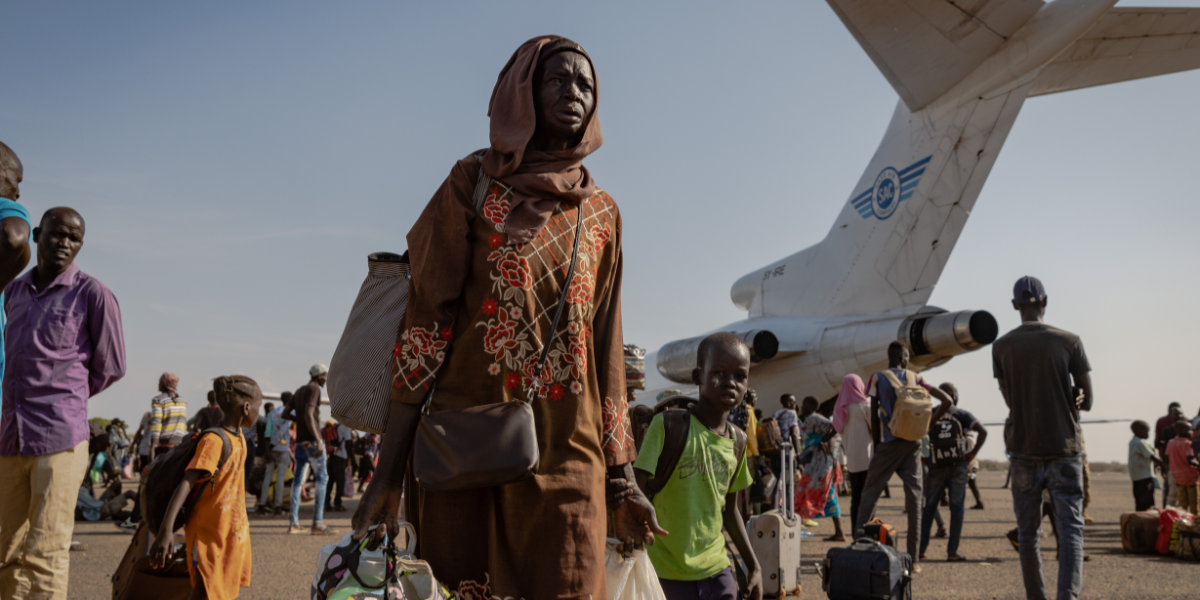
Retrenchment as Policy Failure: Aid Cuts, the Post-UNITAMS Vacuum, and Sudan's Civilian Crisis
retrenchment-as-policy-failure-aid-cuts-the-post-unitams-vacuum-and-sudans-civilian-crisis
Briefing
Peace and Security
May 28, 2026
The Illusion of AI Sovereignty: Mapping the Five-Layer AI Stack
the-illusion-of-ai-sovereignty-mapping-the-five-layer-ai-stack
Commentary
AI Governance
May 15, 2026

Towards a Science for Diplomacy? The U7+ Alliance and the Strategic Repositioning of Universities in Global Governance
towards-a-science-for-diplomacy-the-u-7-alliance-and-the-strategic-repositioning-of-universities-in-global-governance
Commentary
Global Education
April 27, 2026

The Capability Overhang: Cognition and Labor in the Age of AI
the-capability-overhang-cognition-and-labor-in-the-age-of-ai
Commentary
AI Governance
April 9, 2026
.png)
The UN80 Initiative as a Productive Failure: Between Geopolitical Disruptions and Organizational Path Dependency
the-un80-initiative-as-a-productive-failure-between-geopolitical-disruptions-and-organizational-path-dependency
Analysis
Peace and Security
March 31, 2026

Quo Vadis EU-UN Relations in Peace and Security? Evolution, Challenges and Adaptation
quo-vadis-eu-un-relations-in-peace-and-security-evolution-challenges-and-adaptation
Briefing
Peace and Security
February 27, 2026
Higher Education at a Crossroads: Why Europe’s Universities Must Lead, Not Merely Comply
higher-education-at-a-crossroads-why-europes-universities-must-lead-not-merely-comply
Commentary
Global Education
February 23, 2026

What Comes After the US-Israel Strikes on the Islamic Republic?
what-comes-after-the-us-israel-strikes-on-the-islamic-republic
Commentary
Peace and Security
December 19, 2025

Do You Know What’s in Your Skies? Emerging Challenges for Civil Aviation Governance
do-you-know-whats-in-your-skies-emerging-challenges-for-civil-aviation-governance
Commentary
AI Governance
December 18, 2025
Knowledge creation in times of scarce resources in higher education
knowledge-creation-in-times-of-scarce-resources-in-higher-education
Commentary
Global Education
November 10, 2025

Justice-Ready Digital Public Infrastructure: Building a Third Layer of Trust for Democratic Resilience
justice-ready-digital-public-infrastructure-building-a-third-layer-of-trust-for-democratic-resilience
Briefing
AI Governance
October 23, 2025

Is a Greener Future for AI Possible?
is-a-greener-future-for-ai-possible
Commentary
AI Governance
October 20, 2025

Silencing Dissent: How the Tech Backlash Threatens Transitional Justice
silencing-dissent-how-the-tech-backlash-threatens-transitional-justice
Commentary
AI Governance
October 2, 2025

Holding NATO Together and Keeping the US Engaged: Strategic Implications of the Hague Summit
holding-nato-together-and-keeping-the-us-engaged-strategic-implications-of-the-hague-summit
Analysis
Peace and Security
September 9, 2025

Reforming the UN during a financial crisis: a foreseeable failure to align money, mandates, and majorities?
reforming-the-un-during-a-financial-crisis-a-foreseeable-failure-to-align-money-mandates-and-majorities
Briefing
Peace and Security
July 9, 2025

How do we measure the quality of education?
how-do-we-measure-the-quality-of-education
Commentary
Global Education
April 28, 2025

Bound to Fail? The Limits of Diplomacy in the Russia–Ukraine War and the Future of European Security
bound-to-fail-the-limits-of-diplomacy-in-the-russia-ukraine-war-and-the-future-of-european-security
Commentary
Peace and Security
April 8, 2025

A major shift in global higher education is underway: why collective leadership and governance are more important than ever
a-major-shift-in-global-higher-education-is-underway-why-collective-leadership-and-governance-are-more-important-than-ever
Commentary
Global Education
March 26, 2025

AI's Fast-Forward Button: Can We Harness Innovation Without Sacrificing Safety?
ais-fast-forward-button-can-we-harness-innovation-without-sacrificing-safety
Commentary
AI Governance
March 10, 2025

Parliaments in the EU enlargement process: Strengthening capacities of accession country parliaments under the evolving enlargement methodology
parliaments-in-the-eu-enlargement-process-strengthening-capacities-of-accession-country-parliaments-under-the-evolving-enlargement-methodology
Report
Democracy and Human Rights
January 30, 2025
%20(1200%20x%20600%20px)%20(1200%20x%20400%20px).png)
Synthetic Biology and the Future of Global Environmental Governance
synthetic-biology-and-the-future-of-global-environmental-governance
Analysis
Global Environmental Governance
January 28, 2025

Towards a Global Agency for Governing Artificial General Intelligence: Challenges and Perspectives
towards-a-global-agency-for-governing-artificial-general-intelligence-challenges-and-perspectives
Report
AI Governance
January 14, 2025

Normalizing Russia can become Trump’s biggest mistake, but it’s not too late to prevent it
normalizing-russia-can-become-trumps-biggest-mistake-but-its-not-too-late-to-prevent-it
Commentary
Peace and Security
January 13, 2025

Stabilizing Europe’s Security Architecture after the Russo-Ukraine War? The Future of Conventional Arms Control in Europe
stabilizing-europes-security-architecture-after-the-russo-ukraine-war-the-future-of-conventional-arms-control-in-europe
Briefing
Peace and Security
November 20, 2024

INTERPOL: Challenges and Opportunities for the New Secretary General
interpol-challenges-and-opportunities-for-the-new-secretary-general
Commentary
Peace and Security
November 7, 2024

A Fork in the Road? The Kazan Summit of the BRICS
a-fork-in-the-road-the-kazan-summit-of-the-brics
Briefing
Peace and Security
October 30, 2024

UN Summit of the Future and Development: The Way Forward
un-summit-of-the-future-and-development-the-way-forward
Briefing
AI Governance
October 24, 2024
ECOWAS after the ‘Triple Withdrawal’ and the creation of the Alliance of Sahel States
ecowas-after-the-triple-withdrawal-and-the-creation-of-the-alliance-of-sahel-states-challenges-and-ways-ahead-for-regional-security-governance
Analysis
Peace and Security
October 7, 2024

Rushing to Peace, Racing to War: The Challenge of a Just Settlement
rushing-to-peace-racing-to-war-the-challenge-of-a-just-settlement
Commentary
Peace and Security
September 30, 2024
UN Summit of the Future: A Critical Moment for Global AI Governance
un-summit-of-the-future-a-critical-moment-for-global-ai-governance
Commentary
AI Governance
September 20, 2024

Shattered Security: Gender And Coups In Guinea, Mali, And Burkina Faso
shattered-security-gender-and-coups-in-guinea-mali-and-burkina-faso
Briefing
Peace and Security
June 26, 2024
Before the Peace Summit: Testing Multilateralism and Ukrainian Diplomacy
before-the-peace-summit-testing-multilateralism-and-ukrainian-diplomacy
Commentary
Peace and Security
June 14, 2024

The On-Going Quest for Teaching Excellence
the-on-going-quest-for-teaching-excellence
Commentary
Global Education
June 11, 2024

Deepening EU-Japan-US Cooperation on Critical and Emerging Technologies
deepening-eu-japan-us-cooperation-on-critical-and-emerging-technologies
Commentary
AI Governance
May 7, 2024
UNRWA’s Funding Freeze was Unjustified and Undermined Good Governance
unrwas-funding-freeze-was-unjustified-and-undermined-good-governance
Briefing
Democracy and Human Rights
April 25, 2024

Israel’s Non-implementation of the ICJ’s Provisional Measures: International Law Must Be Upheld
israels-non-implementation-of-the-icjs-provisional-measures-international-law-must-be-upheld
Briefing
Democracy and Human Rights
April 2, 2024

The EU AI Act: two steps forward, one step back
the-eu-ai-act-two-steps-forward-one-step-back
Briefing
AI Governance
March 19, 2024

The Council of Europe’s draft AI Treaty: balancing national security, innovation and human rights?
the-council-of-europes-draft-ai-treaty-balancing-national-security-innovation-and-human-rights
Commentary
AI Governance
March 18, 2024
The Ukrainian Peace Formula: content, evolution and diplomatic outreach
the-ukrainian-peace-formula-content-evolution-and-diplomatic-outreach
Analysis
Peace and Security
February 26, 2024
What developments in AI tell us about the future of governance models
what-developments-in-ai-tell-us-about-the-future-of-governance-models
Commentary
AI Governance
February 21, 2024

Whither the Global Governance of Protecting Civilians? An Initial Assessment of the ICJ’s Decision on South Africa v. Israel of 26 January 2024
whither-the-global-governance-of-protecting-civilians-an-initial-assessment-of-the-icjs-decision-on-south-africa-v-israel-of-26-january-2024
Analysis
Democracy and Human Rights
February 14, 2024
How Ukraine uses AI to fight Russian information operations
how-ukraine-uses-ai-to-fight-russian-information-operations
Commentary
AI Governance
February 12, 2024

Got trust? Global governance of emerging technologies
got-trust-global-governance-of-emerging-technologies
Commentary
AI Governance
November 28, 2023

Last minute national objections to the EU’s AI Act are a mistake. Here’s why
rolling-back-the-ai-act-is-a-mistake-heres-why
Commentary
AI Governance
November 27, 2023

Contributions of Latin America and the Caribbean to UN Peace Operations and Recommendations to Increase this Participation
new-ggi-advice-report-latin-american-and-caribbean-countries-contributions-to-un-peacekeeping
Report
Peace and Security
October 12, 2023
Armed Conflict in Nagorno-Karabakh: Crisis, Exodus, and Ethnic Cleansing
armed-conflict-in-nagorno-karabakh-crisis-exodus-and-ethnic-cleansing
Briefing
Peace and Security
October 9, 2023

Thinking of Eloho – One Year On
thinking-of-eloho-one-year-on
Commentary
Peace and Security
August 12, 2023
The Strategic Compass and the EU's Security & Defence Partnerships
the-strategic-compass-implementing-the-partnership-dimension-in-the-area-of-security-and-defence
Report
Peace and Security
July 23, 2023

Franco-German Perspectives: Europe's Moment of Geopolitics
franco-german-perspectives-europes-moment-of-geopolitics
Commentary
Peace and Security
June 2, 2023
A Comprehensive Mapping of National Higher Education Teaching Qualification schemes, Requirements and Provisions for the Promotion and Reward of Teaching Excellence
a-comprehensive-mapping-of-national-higher-education-teaching-qualification-schemes-requirements-and-provisions-for-the-promotion-and-reward-of-teaching-excellence
Report
Global Education
June 1, 2023

Stefaan de Rynck 'Inside the deal: How the EU got Brexit Done'
stefaan-de-ryncks-inside-the-deal-how-the-eu-got-brexit-done
Commentary
Global Education
April 5, 2023
NATO Allies and the Protection of Civilians
nato-allies-and-the-protection-of-civilians
Analysis
Peace and Security
January 11, 2023
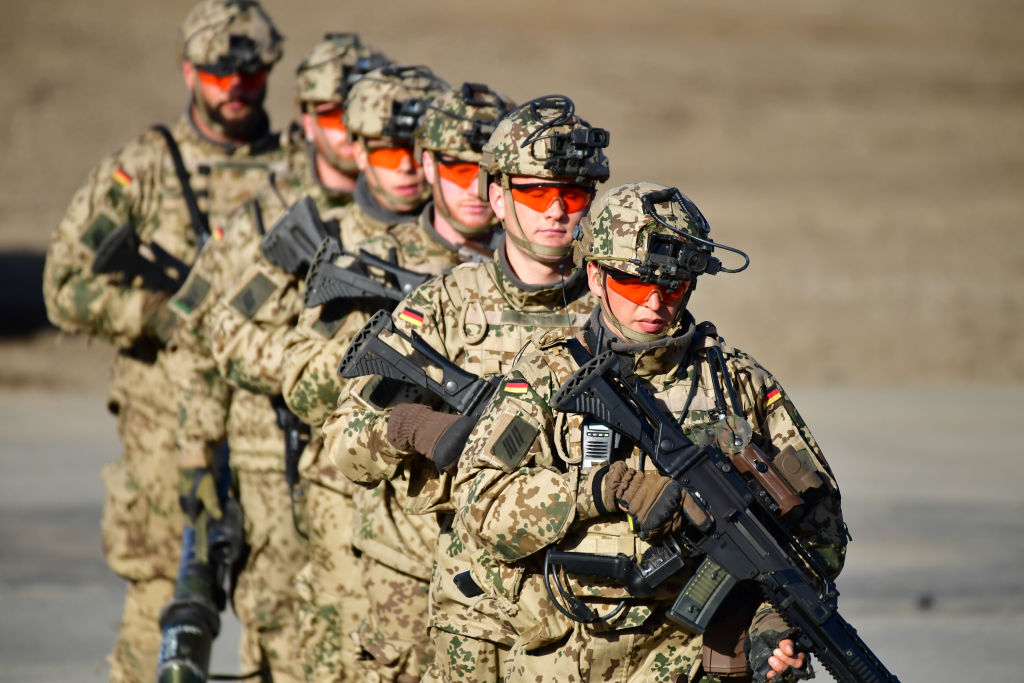
Why Jettison Erasmus? The negative consequences for the UK of walking away
why-jettison-erasmus
Commentary
Global Education
January 1, 2021

Doing less with more? The difficult return of Western troop contributing countries to UN Peacekeeping
doing-less-with-more
Analysis
Peace and Security
November 2, 2020

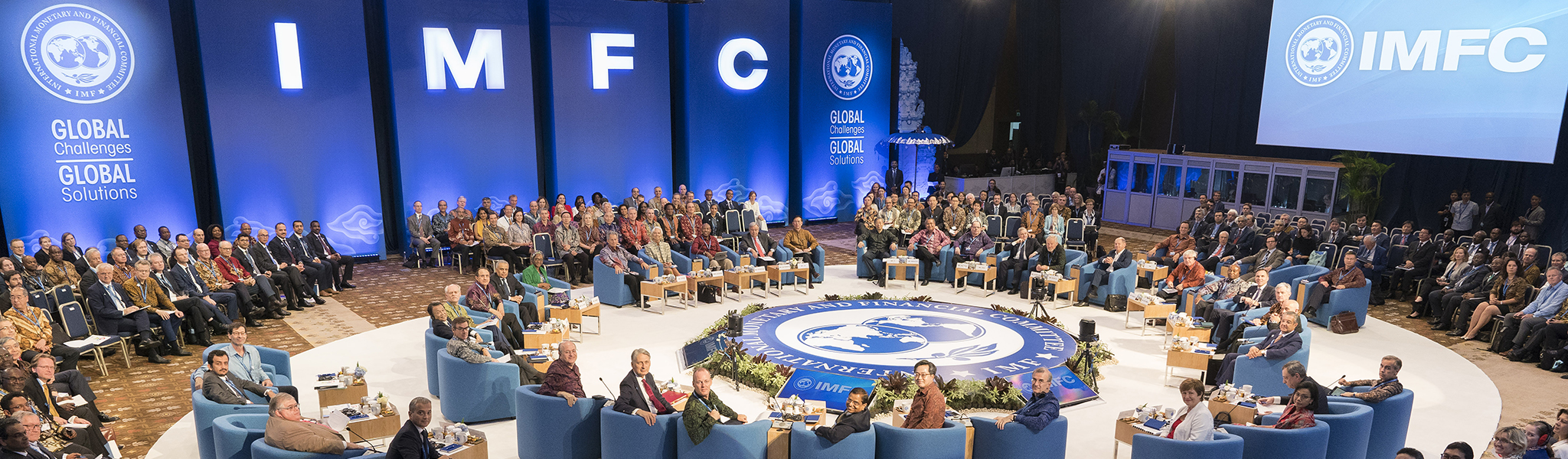
The European Union's Role in International Economic Fora – Paper 4: The IMF
the-european-unions-role-in-international-economic-fora-paper-4-the-imf
Report
Global Economy
September 1, 2015
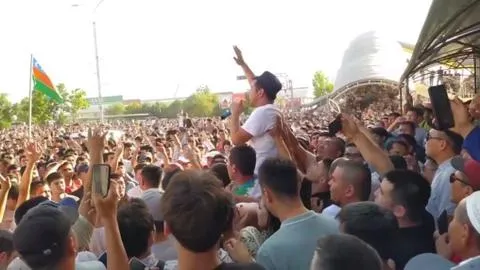
Civil Society Reforms in Uzbekistan: More than Government Chicanery?
civil-society-reforms-in-uzbekistan-more-than-government-chicanery
Briefing
Peace and Security
January 1, 2014
Assessing the EU’s Joint Communication on the Comprehensive Approach: Implications for EU Crisis Response and Conflict Prevention
assessing-the-eus-joint-communication-on-the-comprehensive-approach
Briefing
Peace and Security
December 15, 2013
The EU Foreign Policy of My Dreams: Ten Wishes
the-eu-foreign-policy-of-my-dreams-ten-wishes
Views from Practice
Peace and Security
December 12, 2013

The Middle East as weapons of mass destruction free zone: A proposal to overcome the deadlock
the-middle-east-as-weapons-of-mass-destruction-free-zone-a-proposal-to-overcome-the-deadlock
Views from Practice
Peace and Security
October 15, 2013
From a Militarized to a Humanized Responsibility to Protect
from-a-militarized-to-a-humanized-responsibility-to-protect-integrating-the-red-cross-and-red-crescent-into-rtop-to-respond-to-natural-disasters-and-global-climate-change
Analysis
Global Environmental Governance
June 1, 2013

Leading the Peacebuilding Commission: An Institutional History in the Making
leading-the-peacebuilding-commission-an-institutional-history-in-the-making
Views from Practice
Peace and Security
March 1, 2013
Anticipating the “Final” Arms Trade Treaty Conference: Eight Concrete Proposals
anticipating-the-final-arms-trade-treaty-conference-eight-concrete-proposals
Analysis
Peace and Security
February 1, 2013
Report for the Inquiry into the European External Action Service – EU sub-committee on External Affairs of the House Of Lords
report-for-the-inquiry-into-the-european-external-action-service---eu-sub-committee-on-external-affairs-of-the-house-of-lords
Briefing
Peace and Security
December 1, 2012

Government and the Process of Governance in Africa
government-and-the-process-of-governance-in-africa
Analysis
Peace and Security
November 1, 2012

The Responsibility to Protect and the Responsibility while Protecting: Friends or Foes?
the-responsibility-to-protect-and-the-responsibility-while-protecting-friends-or-foes
Analysis
Democracy and Human Rights
September 15, 2012

Montenegro’s Accession To The EU: Taking Stock And Suggesting Areas For Progress
montenegros-accession-to-the-eu-taking-stock-and-suggesting-areas-for-progress
Briefing
Democracy and Human Rights
August 1, 2012

Electing Freedom? Key Challenges For Libya After The 7 July 2012 Election
electing-freedom-key-challenges-for-libya-after-the-7-july-2012-election
Briefing
Peace and Security
August 1, 2012

The Somali Crisis and the EU: Moving Onshore and Committing to Somalia
the-somali-crisis-and-the-eu-moving-onshore-and-committing-to-somalia
Analysis
Peace and Security
July 1, 2012

United Nations - European Union Cooperation in the Field of Peacekeeping: Challenges and Prospects
united-nations-european-union-cooperation-in-the-field-of-peacekeeping-challenges-and-prospects
Analysis
Peace and Security
June 1, 2012
Widening The Huntress’s Reach: Legal And Strategic Aspects Of A New Atalanta Mandate
legal-and-strategic-aspects-of-a-new-atalanta-mandate
Briefing
Democracy and Human Rights
April 15, 2012

The Biological Weapons Convention, Bioterrorism And The Life Sciences
the-biological-weapons-convention-bioterrorism-and-the-life-sciences
Briefing
Peace and Security
April 1, 2012

A Democratic Justification for Military and Non-military Humanitarian Intervention
a-democratic-justification-for-military-and-non-military-humanitarian-interventions
Analysis
Democracy and Human Rights
April 1, 2012

Climate Change and Security: Adapting the Discussion to the Evidence
climate-change-and-security
Briefing
Global Environmental Governance
March 15, 2012

The United Nations Entity for Gender Equality and the Empowerment of Women (UN Women)
the-united-nations-entity-for-gender-equality-and-the-empowerment-of-women-un-women
Backgrounder
Peace and Security
September 1, 2011

The International Criminal Court and Kenya’s Post-election Violence
the-international-criminal-court-and-kenyas-post-election-violence
Analysis
Democracy and Human Rights
July 15, 2011

The United Nations Peacebuilding Architecture: Background Note
the-united-nations-peacebuilding-architecture-background-note
Briefing
Peace and Security
March 1, 2011
European Civilian Crisis Management Capacities: Bridging The Resources Gap?
european-civilian-crisis-management-capacities-bridging-the-resources-gap
Briefing
Peace and Security
January 15, 2011

The Changing Constellation of Power and Resistance in the Global Debate over Agrofuels
the-changing-constellation-of-power-and-resistance-in-the-global-debate-over-agrofuels
Analysis
Global Environmental Governance
January 1, 2011