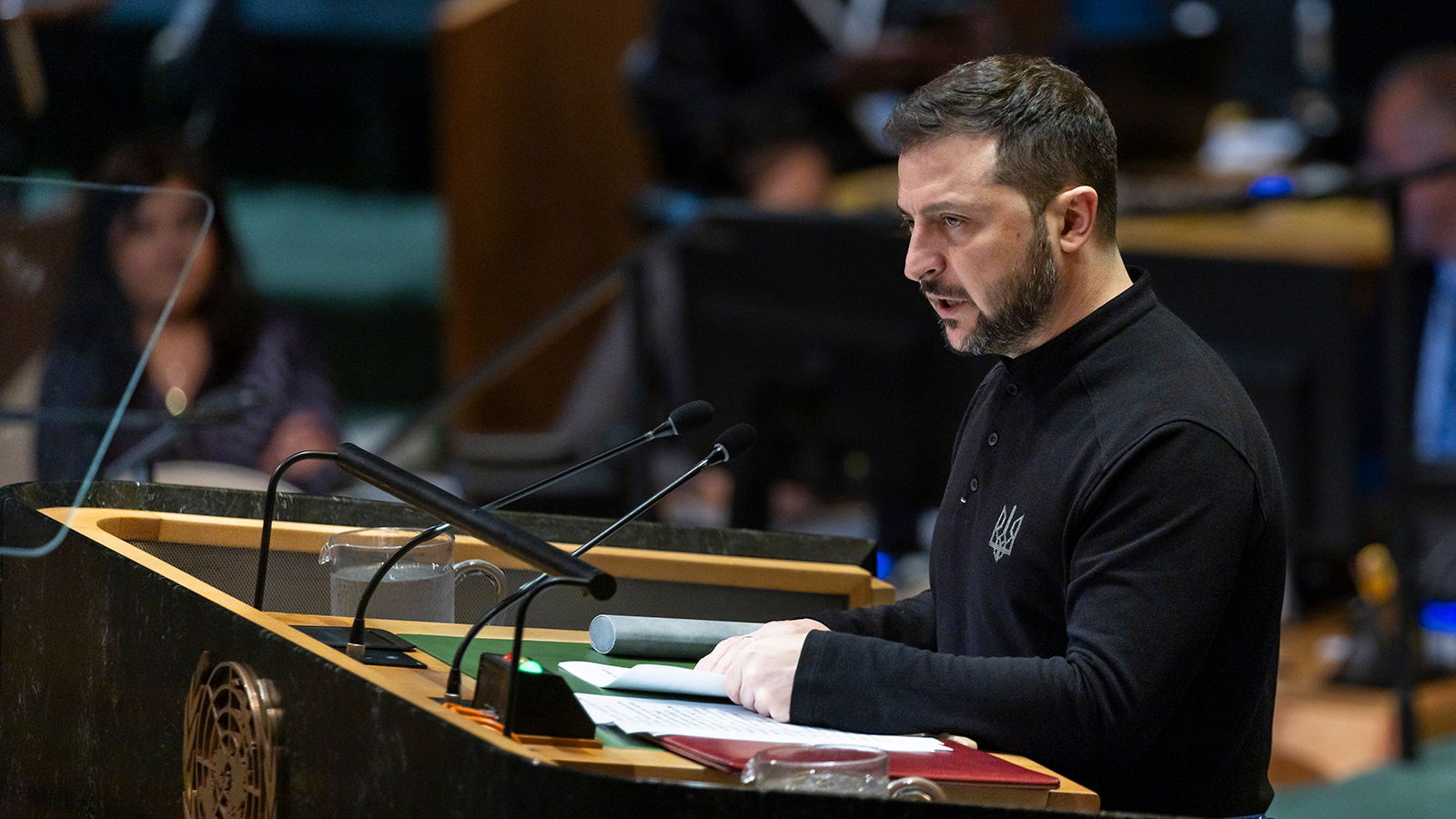
In a high-stakes diplomatic visit to the United States last week, Ukrainian President Volodymyr Zelenskyy presented his "victory plan" to key American leaders, including President Joe Biden, Vice-President Kamala Harris, and former President Donald Trump, now facing Mrs. Harris in the 2024 presidential election. Zelenskyy’s message was clear: Western countries must assist Ukraine in achieving peace on its own terms, despite mounting pressure from some allies to begin peace negotiations. These calls for diplomacy, though increasingly widespread, overlook a critical factor — the futility of a rushed peace deal without robust security guarantees for Ukraine.
Such an agreement, devoid of mechanisms to deter future Russian aggression, almost certainly prevents the possibility of lasting peace in the region, and by jeopardising Ukraine’s reconstruction, further reinforce long-term security risks to Europe.
While calls for peace negotiations have mainly come in the past two years from countries less sympathetic to Ukraine, such as Hungary, South Africa, or most recently Brazil and China, this pressure has increasingly spread to Ukraine's traditional allies. German Chancellor Olaf Scholz, whose government remains one of Ukraine’s most important backers despite political controversies, recently advised that the moment “had come” for negotiations between Ukraine and Russia. Even Czech President Peter Pavel, a staunch supporter of Ukraine, conceded that Kyiv needed to accept that any realistic peace deal would likely see Ukraine struggling to retain its entire territory.
Some of the most alarming declarations, however, came from the United States, where the stakes for Ukraine’s future are higher than ever. Figures like Donald Trump and Ohio Senator J.D. Vance, known for their rather friendly outlook towards Moscow, have openly suggested that Ukraine should cede territory and accept a frozen conflict, in the name of an expedient resolution of the three-year full-scale war.
Of course, not all nations attacked by a foreign power regain full territorial integrity or see justice for the invader's crimes. Kuwait’s restoration after the 1991 Gulf War is a rare exception; more often, conflicts end in compromise, as seen in Finland after 1940, South Korea post-1953, or Chechnya in the 1990s — all accepting deeply imperfect peace settlements against their aggressor.
However, the long-term stability of these peace agreements has depended heavily on two key factors: the aggressor’s desire to continue subjugation and the presence of effective deterrence. In Finland’s case, the Soviet Union’s ambition to dominate eventually waned, allowing a laborious but lasting peace to emerge. By contrast, in Korea, where the North’s ambitions to conquer the South remained, peace has only been preserved through the strong deterrence provided by a substantial U.S. military presence.
The most perilous scenario, however, is when the aggressor's desire for control persists and no adequate deterrence is in place, as seen in Chechnya throughout the 1990s. Here, Russia's unbroken resolve to dominate, coupled with the lack of effective security guarantees, led to a brief and unstable peace that collapsed into a far more destructive second invasion, ending in the complete subjugation of Chechnya. Ukraine undoubtedly fits in this category, with Russian leadership and much of its society viewing Ukraine as an intrinsic part of a Greater Russia.
Without strong deterrence or a fundamental shift in the aggressor’s reasoning, Ukrainians know that war will inevitably return. They have lived this reality, engaging in peace talks with Russia throughout their history, only to face renewed aggression. In 1918, after securing independence, Ukrainians entered negotiations with the Bolsheviks, but soon found themselves invaded and forcibly absorbed into the Soviet Union. Similarly, the Minsk agreements of 2014 showcased the limit of Western commitment to Ukrainian territorial integrity, and enabled Russia’s full-scale invasion in 2022.
For Ukrainians, these experiences are not distant history; they understand, perhaps more deeply than anyone, the bitter reality that Russia’s imperial identity is bound to the subjugation of its neighbours. They have learned through painful experience that without solid security guarantees, any peace deal with Russia is merely a temporary pause before further attempts at domination.
Applying these historical lessons to the present, it is clear that a rushed peace deal, without concrete security guarantees—ones that would decisively prevent future Russian invasions—will leave Ukrainians trapped in a fragile and temporary peace, fully aware that war will return. This perception has profound and far-reaching implications for Ukraine’s society, that have in turn critical consequences on Ukraine’s future security, and through it – on the security of Europe.
Currently, the primary guarantor of Ukraine’s security is its own armed forces, which in turn rely on the strength of the nation's demography, economy, institutions, and the will of its people.
However, Ukraine's demographic situation is dire: internal projections put Ukraine’s population at a catastrophic 28 million, from 44 million in 2021. Current birth rates are abysmal, and while 65% of the millions of Ukrainians exiled abroad wish to return home one day – a key resource that Ukrainian planners count on for the country’s post-war reconstruction – this is very unlikely without solid security guarantees. Families who have fled are unlikely to return, and additional men—fearing the re-imposition of wartime travel restrictions—may also choose to leave following a temporary lull in conflict.
A rushed peace deal will leave Ukrainians trapped in a fragile and temporary peace, fully aware that war will return. This perception has profound and far-reaching implications for Ukraine’s future security.
Economically, the necessity of maintaining a large military presence will impose a heavy burden on the nation, with the mobilisation of a significant portion of the workforce hindering Ukraine’s full economic recovery. Furthermore, the much-anticipated reconstruction of Ukraine, which is critical for its future prosperity, will struggle to attract private investment if security guarantees are absent. Investors will hesitate to commit resources to a country perceived as vulnerable to renewed conflict, further stalling rebuilding efforts which may prove themselves in the end to be more official talk than action.
At the same time, Ukraine’s institutions, which will likely remain focused on the immediate security situation, will struggle to address other critical issues, such as fighting corruption, fostering inclusive governance, and advancing internal reforms. These factors could stifle the efforts of the country’s remarkable civil society, which aim to further distance Ukraine from its Soviet past and heritage of corruption and poor governance, in order to maximise the resources available for national defence.
Finally, in such a context where Ukraine’s core war aims remain unfulfilled, its society may become demoralised, less resilient, and less capable of resisting renewed aggression. This would signal the collapse of the entire vision of a nation. In 2022, Ukrainians rushed to enlistment centres, endured bombardments, blackouts, poverty, consented to unimaginable sacrifices, all in pursuit of a vision for a new Ukraine—one where future generations could live in peace and prosperity, in a free and democratic country, firmly anchored to Europe and Western values after decades of Russian and Soviet domination.
However, a rushed peace deal that lacks robust security guarantees threatens to dismantle this vision. It fosters hopelessness, sombreness, cynicism, potentially leading to effects similar to those seen in Georgia, where an influential minority, starting with the ruling government, have resigned themselves to inevitable subjugation following the 2008 Russian invasion. Ukrainian society, scarred and traumatised by two and a half years of full-scale war with tens of thousands killed and wounded, may be more divided on the question of repeating this sacrifice if objective balances of power and probability of prevailing have not changed.
Thus, a reinvigorated Russia, having faced no meaningful punishment for its aggression, aided in evading sanctions by those in the West eager to return to “business as usual”, refinanced by continued energy sales to Europe, and rearmed with the help of uninhibited autocratic allies could end up fully conquer a weakened Ukraine. The historical precedent of France in the 20th century illustrates how the collapse of a seemingly resilient defence can occur in a non-linear fashion; after four years of gruelling trench warfare during World War I, France experienced a shocking defeat within just a month in 1940.
For Ukraine, these scenarios remain possibilities, not certainties. An optimist could envision Ukraine emerging from the war as a strong power, blending robust technological advancement with strong military deterrence. This model, while one of the more promising pathways for Ukraine’s future, would require significant internal reforms and sustained international backing. However, when viewed as a whole, the risks to Ukraine’s long-term security are severe, and overshadow any reason for optimism.
Such a perspective presents daunting threats to Europe’s security environment, at a time where America’s return to isolationism depends on an election whose outcome remains a coin toss. The contribution of Ukraine to Europeans’ security until now cannot be overstated; Ukrainian soldiers have worn-down Russia's professional army, decimated Soviet-era stockpiles of military equipment, and struck at targets that would otherwise be labeled for nuclear strikes in NATO’s strategic planning.
However, notwithstanding the courage of individual Ukrainian soldiers, resistance of such intensity in a second iteration of this war cannot be taken for granted. A future with a more vulnerable Ukraine – assuming European states recognise the threat – would establish an even more urgent need for significant investment in European defence capabilities. While some in Europe may take Ukraine’s current resilience as a base case for Ukraine’s resistance in a future conflict, Ukraine weakened internally by the absence of firm security guarantees runs the risk of being far more fragile than assumed.
Faced with this scenario, Europe and its transatlantic allies must recognise the inextricable link between Ukrainian security and their own. A strong Ukraine makes Europe stronger, and a weak Ukraine makes Europe weaker. There is reason for optimism—if Ukraine is bolstered by firm and credible security guarantees, it could develop and strengthen at the same non-linear pace that its collapse might otherwise occur. Ukraine of 30 to 40 million inhabitants, providing opportunities to all through rapid economic development, continuing the development of its missile and drone programmes, and most importantly united in its conviction of being able to resist Russian aggression, would be impossible to subdue.
Such power could create the self-fulfilling prophecy of deterring further Russian aggression. Just as the Soviets eventually accepted the existence of a separate Finish nation in lands previously controlled by the Russian Empire, Russians may come to terms with Ukraine’s separate national identity and aspirations. This would not happen from altruism, but rather from a recognition of the risks and costs of continued conflict with Ukraine backed by its Western allies. This detachment of Ukraine, in Russian minds, from Russia’s imagined sphere of imperial grandeur would in turn be the most determining factor for long-term peace and stability for Ukraine and Europe.
Is South Sudan Ready to Vote? Assessing the Prospects for a Credible Election in December 2026
is-south-sudan-ready-to-vote-assessing-the-prospects-for-a-credible-election-in-december-2026
Briefing
Peace and Security
September 28, 2026
Justice-Ready by Design: What the UN’s Work with Victims of Terrorism Reveals About Digital Public Infrastructure
justice-ready-by-design-what-the-uns-work-with-victims-of-terrorism-reveals-about-digital-public-infrastructure
Commentary
AI Governance
September 23, 2026

A Start, Not an End: Reflections on the Peace Operations Review Report
a-start-not-an-end-reflections-on-the-peace-operations-review-report
Analysis
Peace and Security
September 21, 2026
European Nuclear Arms and Arms Control in an Age of Uncertainty
european-nuclear-arms-and-arms-control-in-an-age-of-uncertainty
Analysis
Peace and Security
September 10, 2026
A Blueprint for the Global Governance of Autonomous Weapon Systems
a-blueprint-for-the-global-governance-of-autonomous-weapon-systems
Report
Peace and Security
August 28, 2026
AI, Sustainable Development and the Future of Education: A Governance Imperative
ai-sustainable-development-and-the-future-of-education-a-governance-imperative
Commentary
Global Education
August 17, 2026

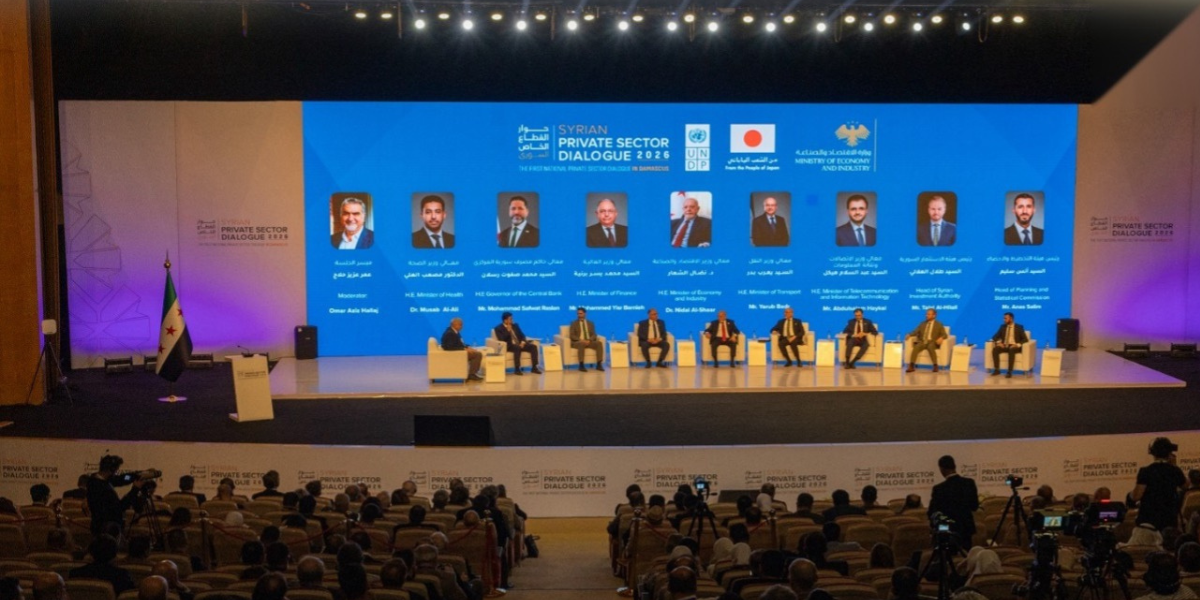
Financing Syria's Recovery: The EU and a Fragile Economic Opening
financing-syrias-recovery-the-eu-and-a-fragile-economic-opening
Briefing
Global Economy
August 12, 2026
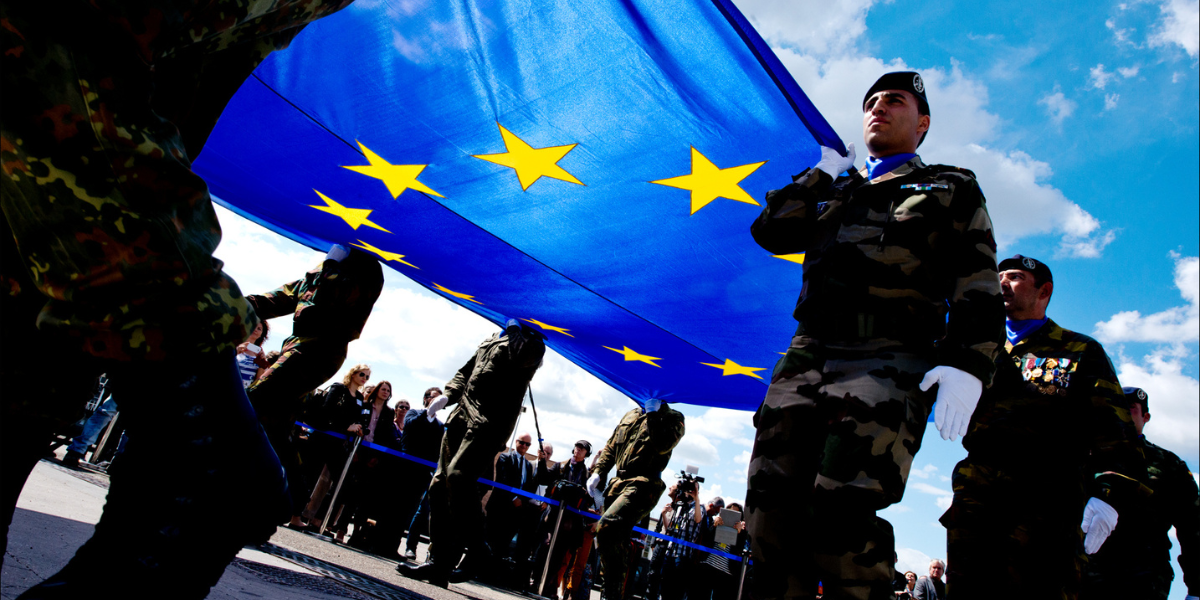
European Defence: The European Union Framework as a Dead End
european-defence-the-european-union-framework-as-a-dead-end
Briefing
Peace and Security
July 22, 2026
The New Development Bank Joins the Shift Towards Nuclear Energy Financing
the-new-development-bank-joins-the-shift-towards-nuclear-energy-financing
Commentary
Global Economy
July 13, 2026
.png)
An Issue Area Approach to Defending Global Governance
an-issue-area-approach-to-defending-global-governance
Briefing
Peace and Security
July 2, 2026

Europe’s Defence Supply Chains Need Africa and the Global South
europes-defence-supply-chains-need-africa-and-the-global-south
Commentary
Global Economy
June 12, 2026

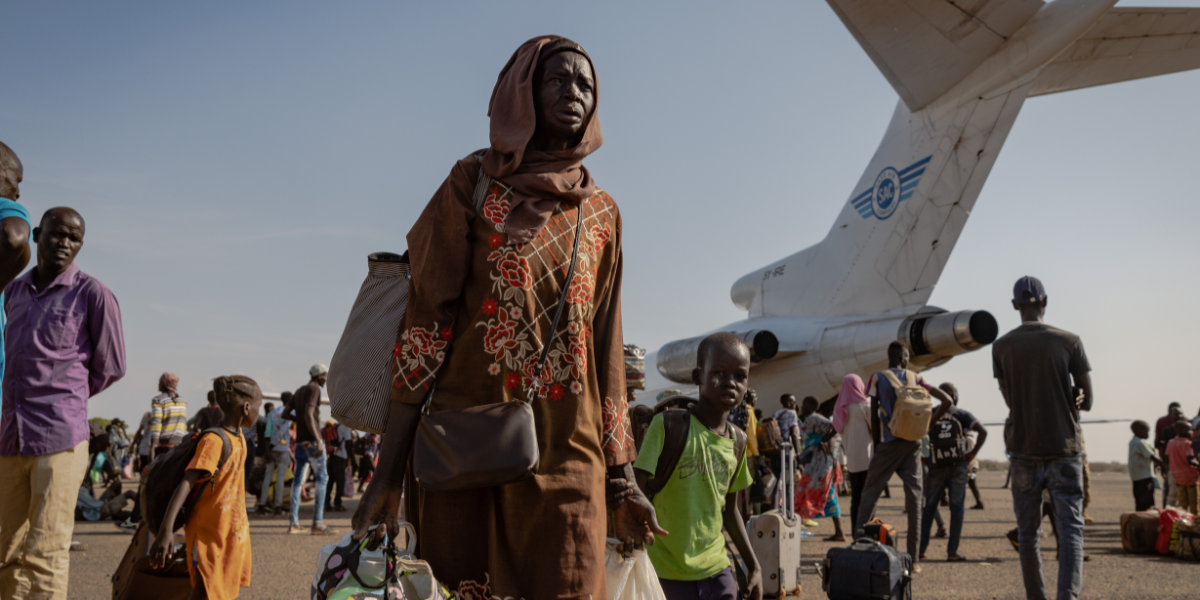
Retrenchment as Policy Failure: Aid Cuts, the Post-UNITAMS Vacuum, and Sudan's Civilian Crisis
retrenchment-as-policy-failure-aid-cuts-the-post-unitams-vacuum-and-sudans-civilian-crisis
Briefing
Peace and Security
May 28, 2026
The Illusion of AI Sovereignty: Mapping the Five-Layer AI Stack
the-illusion-of-ai-sovereignty-mapping-the-five-layer-ai-stack
Commentary
AI Governance
May 15, 2026

Towards a Science for Diplomacy? The U7+ Alliance and the Strategic Repositioning of Universities in Global Governance
towards-a-science-for-diplomacy-the-u-7-alliance-and-the-strategic-repositioning-of-universities-in-global-governance
Commentary
Global Education
April 27, 2026

The Capability Overhang: Cognition and Labor in the Age of AI
the-capability-overhang-cognition-and-labor-in-the-age-of-ai
Commentary
AI Governance
April 9, 2026
.png)
The UN80 Initiative as a Productive Failure: Between Geopolitical Disruptions and Organizational Path Dependency
the-un80-initiative-as-a-productive-failure-between-geopolitical-disruptions-and-organizational-path-dependency
Analysis
Peace and Security
March 31, 2026

Quo Vadis EU-UN Relations in Peace and Security? Evolution, Challenges and Adaptation
quo-vadis-eu-un-relations-in-peace-and-security-evolution-challenges-and-adaptation
Briefing
Peace and Security
February 27, 2026
Higher Education at a Crossroads: Why Europe’s Universities Must Lead, Not Merely Comply
higher-education-at-a-crossroads-why-europes-universities-must-lead-not-merely-comply
Commentary
Global Education
February 23, 2026

What Comes After the US-Israel Strikes on the Islamic Republic?
what-comes-after-the-us-israel-strikes-on-the-islamic-republic
Commentary
Peace and Security
December 19, 2025

Do You Know What’s in Your Skies? Emerging Challenges for Civil Aviation Governance
do-you-know-whats-in-your-skies-emerging-challenges-for-civil-aviation-governance
Commentary
AI Governance
December 18, 2025

Knowledge creation in times of scarce resources in higher education
knowledge-creation-in-times-of-scarce-resources-in-higher-education
Commentary
Global Education
November 10, 2025

Justice-Ready Digital Public Infrastructure: Building a Third Layer of Trust for Democratic Resilience
justice-ready-digital-public-infrastructure-building-a-third-layer-of-trust-for-democratic-resilience
Briefing
AI Governance
October 23, 2025

Is a Greener Future for AI Possible?
is-a-greener-future-for-ai-possible
Commentary
AI Governance
October 20, 2025

Silencing Dissent: How the Tech Backlash Threatens Transitional Justice
silencing-dissent-how-the-tech-backlash-threatens-transitional-justice
Commentary
AI Governance
October 2, 2025

Holding NATO Together and Keeping the US Engaged: Strategic Implications of the Hague Summit
holding-nato-together-and-keeping-the-us-engaged-strategic-implications-of-the-hague-summit
Analysis
Peace and Security
September 9, 2025

Reforming the UN during a financial crisis: a foreseeable failure to align money, mandates, and majorities?
reforming-the-un-during-a-financial-crisis-a-foreseeable-failure-to-align-money-mandates-and-majorities
Briefing
Peace and Security
July 9, 2025

How do we measure the quality of education?
how-do-we-measure-the-quality-of-education
Commentary
Global Education
April 28, 2025

Bound to Fail? The Limits of Diplomacy in the Russia–Ukraine War and the Future of European Security
bound-to-fail-the-limits-of-diplomacy-in-the-russia-ukraine-war-and-the-future-of-european-security
Commentary
Peace and Security
April 8, 2025

A major shift in global higher education is underway: why collective leadership and governance are more important than ever
a-major-shift-in-global-higher-education-is-underway-why-collective-leadership-and-governance-are-more-important-than-ever
Commentary
Global Education
March 26, 2025

AI's Fast-Forward Button: Can We Harness Innovation Without Sacrificing Safety?
ais-fast-forward-button-can-we-harness-innovation-without-sacrificing-safety
Commentary
AI Governance
March 10, 2025

Parliaments in the EU enlargement process: Strengthening capacities of accession country parliaments under the evolving enlargement methodology
parliaments-in-the-eu-enlargement-process-strengthening-capacities-of-accession-country-parliaments-under-the-evolving-enlargement-methodology
Report
Democracy and Human Rights
January 30, 2025
%20(1200%20x%20600%20px)%20(1200%20x%20400%20px).png)
Synthetic Biology and the Future of Global Environmental Governance
synthetic-biology-and-the-future-of-global-environmental-governance
Analysis
Global Environmental Governance
January 28, 2025

Towards a Global Agency for Governing Artificial General Intelligence: Challenges and Perspectives
towards-a-global-agency-for-governing-artificial-general-intelligence-challenges-and-perspectives
Report
AI Governance
January 14, 2025

Normalizing Russia can become Trump’s biggest mistake, but it’s not too late to prevent it
normalizing-russia-can-become-trumps-biggest-mistake-but-its-not-too-late-to-prevent-it
Commentary
Peace and Security
January 13, 2025

Stabilizing Europe’s Security Architecture after the Russo-Ukraine War? The Future of Conventional Arms Control in Europe
stabilizing-europes-security-architecture-after-the-russo-ukraine-war-the-future-of-conventional-arms-control-in-europe
Briefing
Peace and Security
November 20, 2024

INTERPOL: Challenges and Opportunities for the New Secretary General
interpol-challenges-and-opportunities-for-the-new-secretary-general
Commentary
Peace and Security
November 7, 2024

A Fork in the Road? The Kazan Summit of the BRICS
a-fork-in-the-road-the-kazan-summit-of-the-brics
Briefing
Peace and Security
October 30, 2024

UN Summit of the Future and Development: The Way Forward
un-summit-of-the-future-and-development-the-way-forward
Briefing
AI Governance
October 24, 2024
ECOWAS after the ‘Triple Withdrawal’ and the creation of the Alliance of Sahel States
ecowas-after-the-triple-withdrawal-and-the-creation-of-the-alliance-of-sahel-states-challenges-and-ways-ahead-for-regional-security-governance
Analysis
Peace and Security
October 7, 2024

Rushing to Peace, Racing to War: The Challenge of a Just Settlement
rushing-to-peace-racing-to-war-the-challenge-of-a-just-settlement
Commentary
Peace and Security
September 30, 2024
UN Summit of the Future: A Critical Moment for Global AI Governance
un-summit-of-the-future-a-critical-moment-for-global-ai-governance
Commentary
AI Governance
September 20, 2024

Shattered Security: Gender And Coups In Guinea, Mali, And Burkina Faso
shattered-security-gender-and-coups-in-guinea-mali-and-burkina-faso
Briefing
Peace and Security
June 26, 2024
Before the Peace Summit: Testing Multilateralism and Ukrainian Diplomacy
before-the-peace-summit-testing-multilateralism-and-ukrainian-diplomacy
Commentary
Peace and Security
June 14, 2024

The On-Going Quest for Teaching Excellence
the-on-going-quest-for-teaching-excellence
Commentary
Global Education
June 11, 2024

Deepening EU-Japan-US Cooperation on Critical and Emerging Technologies
deepening-eu-japan-us-cooperation-on-critical-and-emerging-technologies
Commentary
AI Governance
May 7, 2024
UNRWA’s Funding Freeze was Unjustified and Undermined Good Governance
unrwas-funding-freeze-was-unjustified-and-undermined-good-governance
Briefing
Democracy and Human Rights
April 25, 2024

Israel’s Non-implementation of the ICJ’s Provisional Measures: International Law Must Be Upheld
israels-non-implementation-of-the-icjs-provisional-measures-international-law-must-be-upheld
Briefing
Democracy and Human Rights
April 2, 2024

The EU AI Act: two steps forward, one step back
the-eu-ai-act-two-steps-forward-one-step-back
Briefing
AI Governance
March 19, 2024

The Council of Europe’s draft AI Treaty: balancing national security, innovation and human rights?
the-council-of-europes-draft-ai-treaty-balancing-national-security-innovation-and-human-rights
Commentary
AI Governance
March 18, 2024
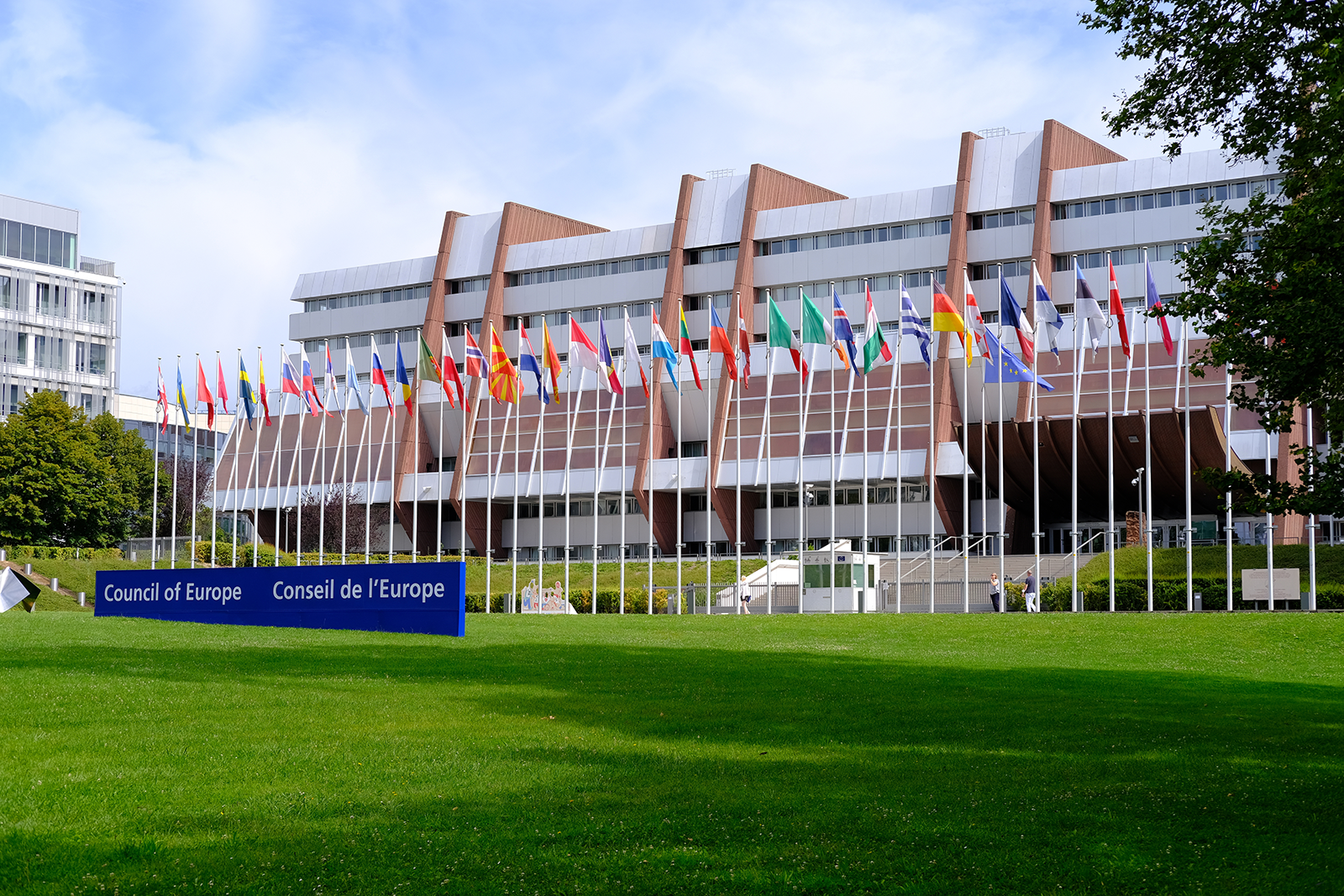
The Ukrainian Peace Formula: content, evolution and diplomatic outreach
the-ukrainian-peace-formula-content-evolution-and-diplomatic-outreach
Analysis
Peace and Security
February 26, 2024
What developments in AI tell us about the future of governance models
what-developments-in-ai-tell-us-about-the-future-of-governance-models
Commentary
AI Governance
February 21, 2024

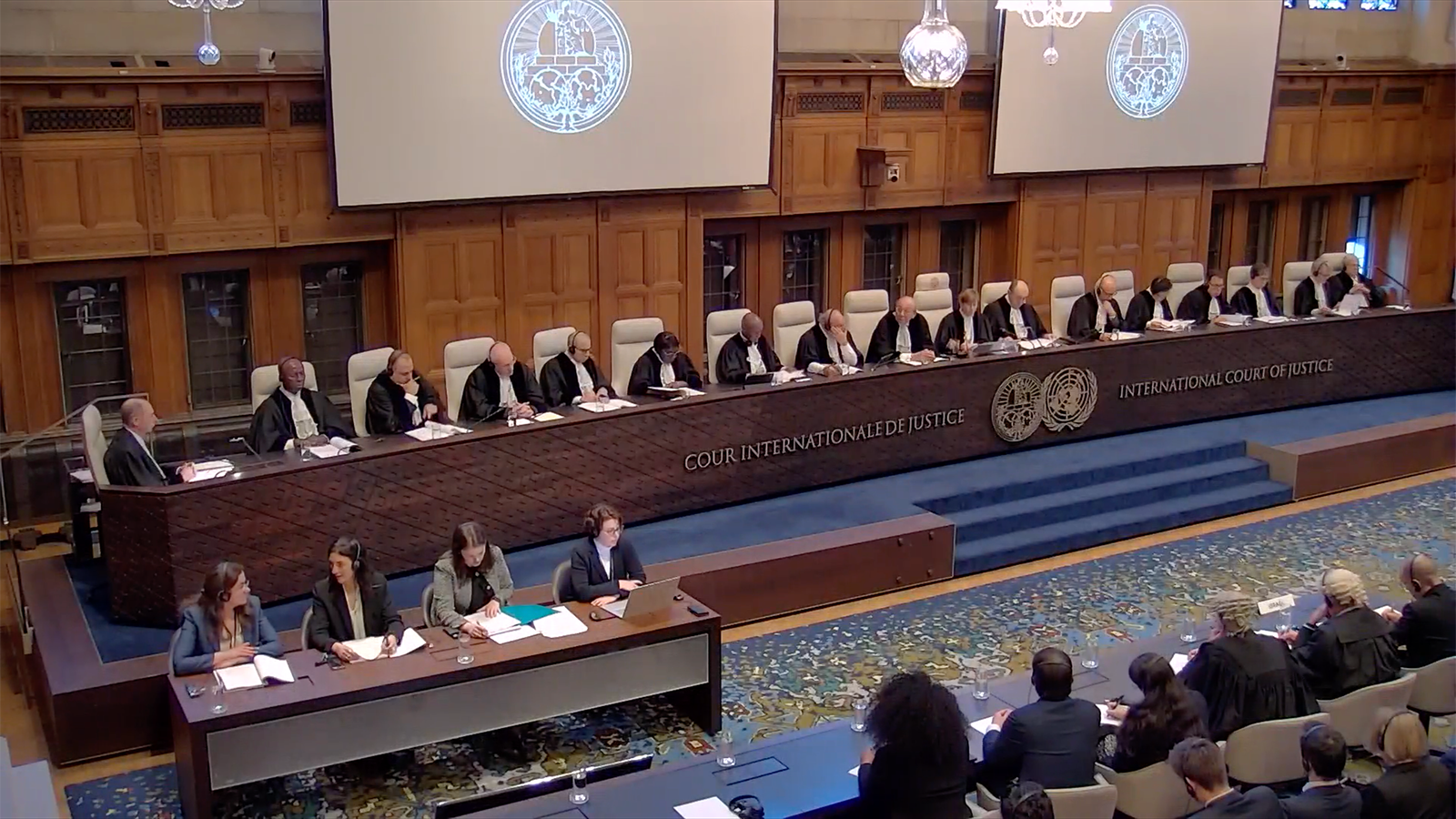
Whither the Global Governance of Protecting Civilians? An Initial Assessment of the ICJ’s Decision on South Africa v. Israel of 26 January 2024
whither-the-global-governance-of-protecting-civilians-an-initial-assessment-of-the-icjs-decision-on-south-africa-v-israel-of-26-january-2024
Analysis
Democracy and Human Rights
February 14, 2024
How Ukraine uses AI to fight Russian information operations
how-ukraine-uses-ai-to-fight-russian-information-operations
Commentary
AI Governance
February 12, 2024

Got trust? Global governance of emerging technologies
got-trust-global-governance-of-emerging-technologies
Commentary
AI Governance
November 28, 2023

Last minute national objections to the EU’s AI Act are a mistake. Here’s why
rolling-back-the-ai-act-is-a-mistake-heres-why
Commentary
AI Governance
November 27, 2023

Contributions of Latin America and the Caribbean to UN Peace Operations and Recommendations to Increase this Participation
new-ggi-advice-report-latin-american-and-caribbean-countries-contributions-to-un-peacekeeping
Report
Peace and Security
October 12, 2023
Armed Conflict in Nagorno-Karabakh: Crisis, Exodus, and Ethnic Cleansing
armed-conflict-in-nagorno-karabakh-crisis-exodus-and-ethnic-cleansing
Briefing
Peace and Security
October 9, 2023

Thinking of Eloho – One Year On
thinking-of-eloho-one-year-on
Commentary
Peace and Security
August 12, 2023
The Strategic Compass and the EU's Security & Defence Partnerships
the-strategic-compass-implementing-the-partnership-dimension-in-the-area-of-security-and-defence
Report
Peace and Security
July 23, 2023

Franco-German Perspectives: Europe's Moment of Geopolitics
franco-german-perspectives-europes-moment-of-geopolitics
Commentary
Peace and Security
June 2, 2023
A Comprehensive Mapping of National Higher Education Teaching Qualification schemes, Requirements and Provisions for the Promotion and Reward of Teaching Excellence
a-comprehensive-mapping-of-national-higher-education-teaching-qualification-schemes-requirements-and-provisions-for-the-promotion-and-reward-of-teaching-excellence
Report
Global Education
June 1, 2023

Stefaan de Rynck 'Inside the deal: How the EU got Brexit Done'
stefaan-de-ryncks-inside-the-deal-how-the-eu-got-brexit-done
Commentary
Global Education
April 5, 2023

NATO Allies and the Protection of Civilians
nato-allies-and-the-protection-of-civilians
Analysis
Peace and Security
January 11, 2023
Why Jettison Erasmus? The negative consequences for the UK of walking away
why-jettison-erasmus
Commentary
Global Education
January 1, 2021

Doing less with more? The difficult return of Western troop contributing countries to UN Peacekeeping
doing-less-with-more
Analysis
Peace and Security
November 2, 2020
The European Union's Role in International Economic Fora – Paper 4: The IMF
the-european-unions-role-in-international-economic-fora-paper-4-the-imf
Report
Global Economy
September 1, 2015
Civil Society Reforms in Uzbekistan: More than Government Chicanery?
civil-society-reforms-in-uzbekistan-more-than-government-chicanery
Briefing
Peace and Security
January 1, 2014
Assessing the EU’s Joint Communication on the Comprehensive Approach: Implications for EU Crisis Response and Conflict Prevention
assessing-the-eus-joint-communication-on-the-comprehensive-approach
Briefing
Peace and Security
December 15, 2013
The EU Foreign Policy of My Dreams: Ten Wishes
the-eu-foreign-policy-of-my-dreams-ten-wishes
Views from Practice
Peace and Security
December 12, 2013
The Middle East as weapons of mass destruction free zone: A proposal to overcome the deadlock
the-middle-east-as-weapons-of-mass-destruction-free-zone-a-proposal-to-overcome-the-deadlock
Views from Practice
Peace and Security
October 15, 2013
From a Militarized to a Humanized Responsibility to Protect
from-a-militarized-to-a-humanized-responsibility-to-protect-integrating-the-red-cross-and-red-crescent-into-rtop-to-respond-to-natural-disasters-and-global-climate-change
Analysis
Global Environmental Governance
June 1, 2013

Leading the Peacebuilding Commission: An Institutional History in the Making
leading-the-peacebuilding-commission-an-institutional-history-in-the-making
Views from Practice
Peace and Security
March 1, 2013
Anticipating the “Final” Arms Trade Treaty Conference: Eight Concrete Proposals
anticipating-the-final-arms-trade-treaty-conference-eight-concrete-proposals
Analysis
Peace and Security
February 1, 2013
Report for the Inquiry into the European External Action Service – EU sub-committee on External Affairs of the House Of Lords
report-for-the-inquiry-into-the-european-external-action-service---eu-sub-committee-on-external-affairs-of-the-house-of-lords
Briefing
Peace and Security
December 1, 2012
Government and the Process of Governance in Africa
government-and-the-process-of-governance-in-africa
Analysis
Peace and Security
November 1, 2012

The Responsibility to Protect and the Responsibility while Protecting: Friends or Foes?
the-responsibility-to-protect-and-the-responsibility-while-protecting-friends-or-foes
Analysis
Democracy and Human Rights
September 15, 2012

Montenegro’s Accession To The EU: Taking Stock And Suggesting Areas For Progress
montenegros-accession-to-the-eu-taking-stock-and-suggesting-areas-for-progress
Briefing
Democracy and Human Rights
August 1, 2012

Electing Freedom? Key Challenges For Libya After The 7 July 2012 Election
electing-freedom-key-challenges-for-libya-after-the-7-july-2012-election
Briefing
Peace and Security
August 1, 2012

The Somali Crisis and the EU: Moving Onshore and Committing to Somalia
the-somali-crisis-and-the-eu-moving-onshore-and-committing-to-somalia
Analysis
Peace and Security
July 1, 2012

United Nations - European Union Cooperation in the Field of Peacekeeping: Challenges and Prospects
united-nations-european-union-cooperation-in-the-field-of-peacekeeping-challenges-and-prospects
Analysis
Peace and Security
June 1, 2012
Widening The Huntress’s Reach: Legal And Strategic Aspects Of A New Atalanta Mandate
legal-and-strategic-aspects-of-a-new-atalanta-mandate
Briefing
Democracy and Human Rights
April 15, 2012

The Biological Weapons Convention, Bioterrorism And The Life Sciences
the-biological-weapons-convention-bioterrorism-and-the-life-sciences
Briefing
Peace and Security
April 1, 2012

A Democratic Justification for Military and Non-military Humanitarian Intervention
a-democratic-justification-for-military-and-non-military-humanitarian-interventions
Analysis
Democracy and Human Rights
April 1, 2012

Climate Change and Security: Adapting the Discussion to the Evidence
climate-change-and-security
Briefing
Global Environmental Governance
March 15, 2012

The United Nations Entity for Gender Equality and the Empowerment of Women (UN Women)
the-united-nations-entity-for-gender-equality-and-the-empowerment-of-women-un-women
Backgrounder
Peace and Security
September 1, 2011

The International Criminal Court and Kenya’s Post-election Violence
the-international-criminal-court-and-kenyas-post-election-violence
Analysis
Democracy and Human Rights
July 15, 2011

The United Nations Peacebuilding Architecture: Background Note
the-united-nations-peacebuilding-architecture-background-note
Briefing
Peace and Security
March 1, 2011
European Civilian Crisis Management Capacities: Bridging The Resources Gap?
european-civilian-crisis-management-capacities-bridging-the-resources-gap
Briefing
Peace and Security
January 15, 2011

The Changing Constellation of Power and Resistance in the Global Debate over Agrofuels
the-changing-constellation-of-power-and-resistance-in-the-global-debate-over-agrofuels
Analysis
Global Environmental Governance
January 1, 2011