The UN Summit of the Future represents a significant effort by the international community to address pressing global challenges through enhanced multilateralism and digital governance. This brief examines the summit's focus on establishing frameworks for the responsible development and ethical use of AI, emphasizing the importance of collaboration and accountability in governance. It explores the potential of AI to address climate change, the digital divide, and resource management alongside the risks of exacerbating existing inequalities and environmental challenges. The summit is positioned as a crucial opportunity to renew global commitment to the Sustainable Development Goals (SDGs), emphasizing the need for sustained leadership and a unified approach among governments, private sectors, and civil society to effectively translate the summit's ambitious goals into meaningful action.
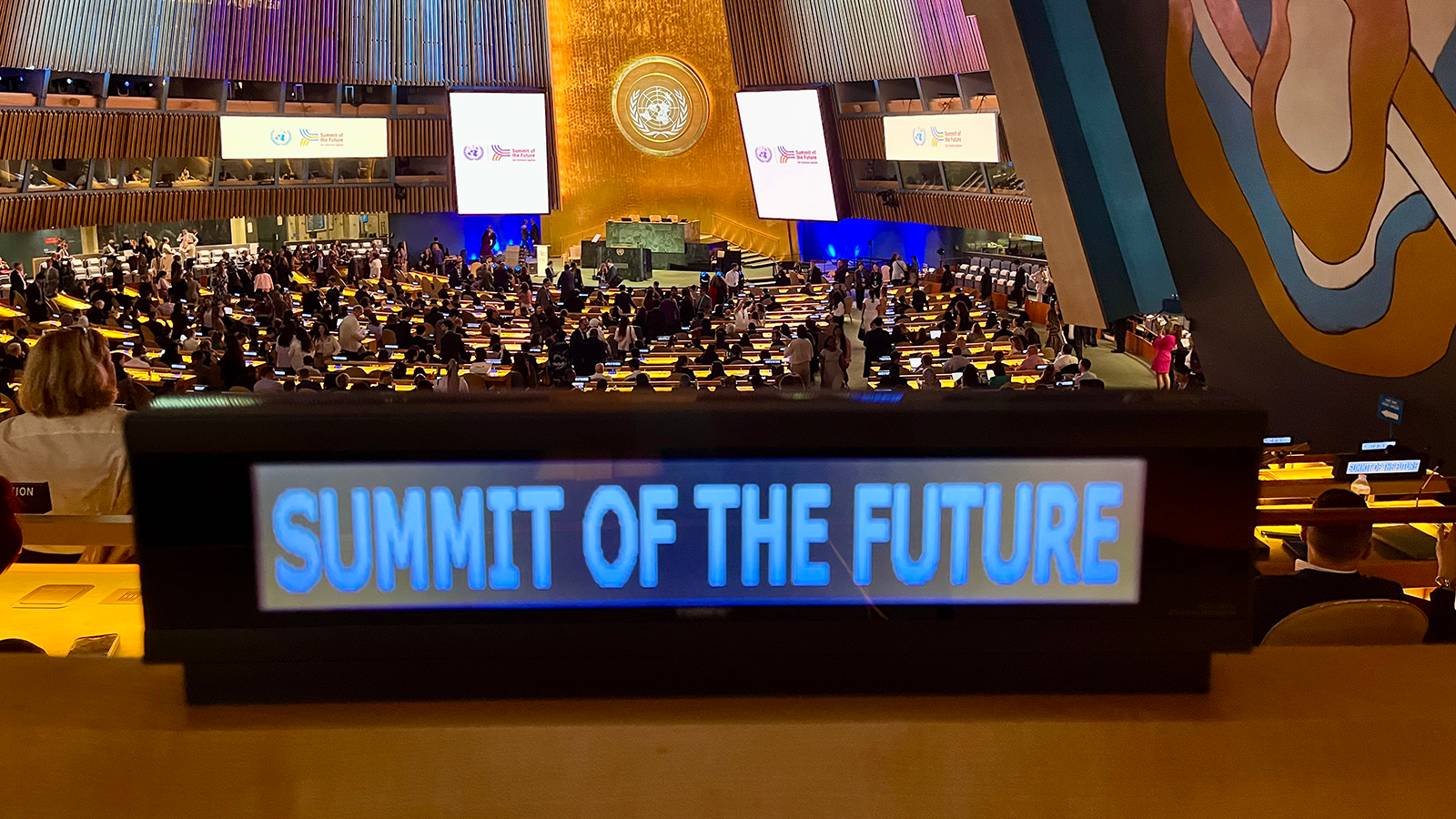
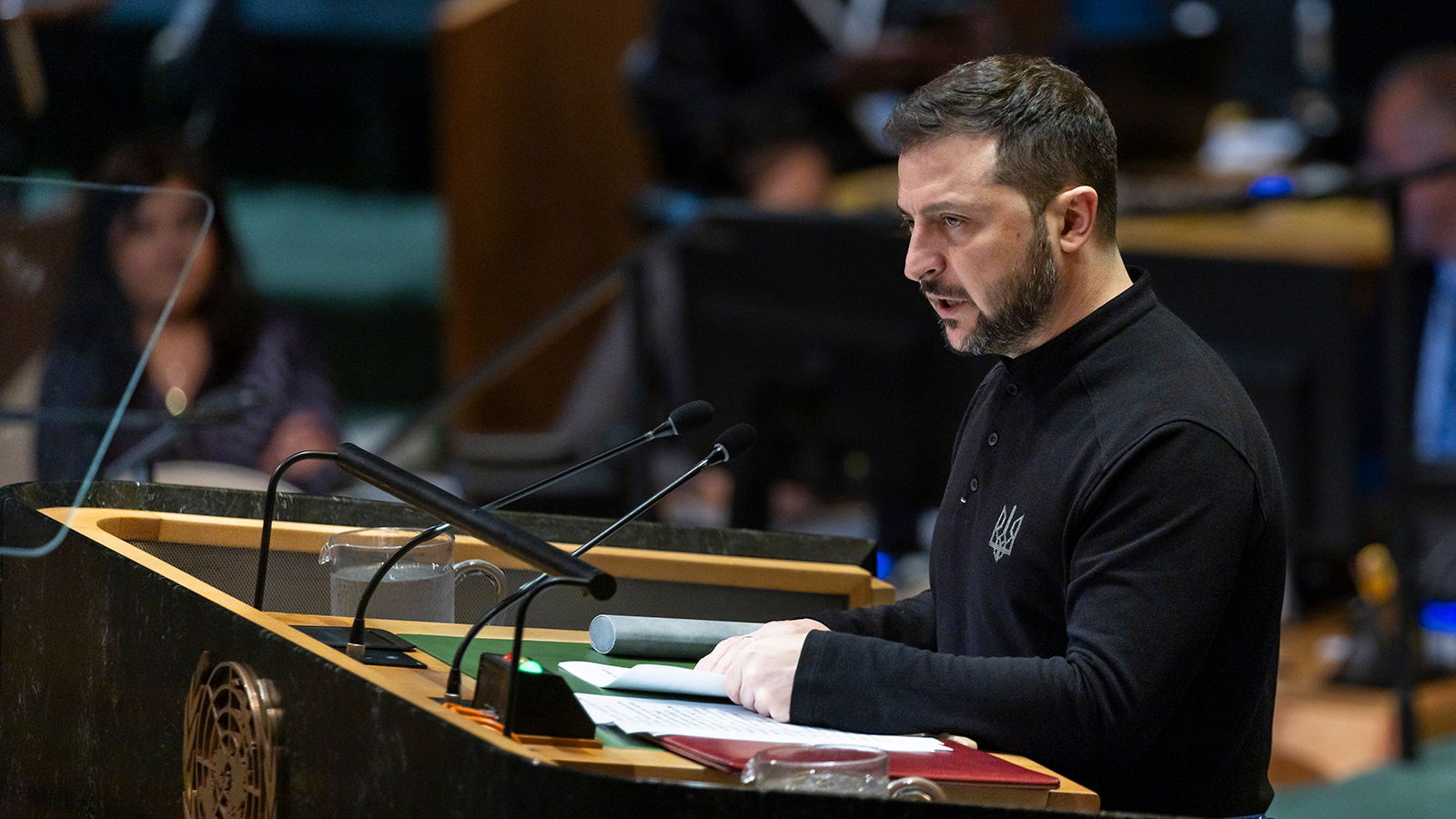
The UN Summit of the Future is one of the most ambitious undertakings by the international community in years. Four years since the UN Secretary-General Antonio Guterres’ Roadmap for Digital Cooperation, and three years since his Our Common Agenda report in September 2021, world leaders met last month in New York to discuss issues related to global governance and emerging global challenges. The subsequent adoption of the Pact for the Future, which included a Global Digital Compact and a Declaration on Future Generations (A/RES/79/1), expressed the international community's intention to address both present and future challenges through enhanced multilateralism, digital governance, and the protection of future generations' rights.
The Summit took place against the backdrop of worsening UN Security Council disfunction, uneven and halting progress towards the achievement of Sustainable Development Goals (SDGs), worsening global inequalities, and the disruptive influence of emerging technologies. Among the key commitments identified by world leaders, academics, and civil society representatives were the reform of international institutions and in particular of the UN Security Council, the need to refocus global efforts to meet the SDGs by 2030, and redressing global inequalities, by harnessing, among others, the potentially transformative power of Artificial Intelligence (AI).
The explosion of AI-enabled and augmented technologies has rapidly elevated its importance on the global stage, prompting urgent discussions on the need for international frameworks to ensure its responsible development and ethical use, as well as intensive consideration of AI’s potential to contribute positively to global development. Recognizing both the opportunities and the dangers, the Summit called for a multilateral approach to AI governance, emphasizing transparency, accountability, and collaboration to prevent misuse while maximizing its benefits for achieving the SDGs and addressing global inequalities.
Anticipating these concerns, and with the stated goal of “an inclusive, open, sustainable, fair, safe and secure digital future for all,” the Global Digital Compact outlines a series of objectives, including “closing all digital divides and accelerating progress across the Sustainable Development Goals; expanding inclusion in and benefits from the digital economy for all; fostering an inclusive, open, safe and secure digital space that respects, protects and promote human rights; advancing responsible, equitable and interoperable data governance approaches; and finally enhancing international governance of artificial intelligence for the benefit of humanity.”
The proposed vehicle for translating these ambitious goals and objectives is a combination of existing and new institutional arrangements and initiatives, which takes an “agile, multidisciplinary and adaptable multi-stakeholder approach,” starting with the creation of an International Scientific Panel on AI, a Global Dialogue on AI Governance, an AI Standards Exchange, a Global Fund for AI, and a Global Data Framework. These initiatives are intended to, in the words Mr. Guterres, respectively “promote common understanding on AI capabilities, opportunities and risks; anchor AI governance in international norms and principles, including human rights; bridge the AI [financial] divide; [and] foster technical compatibility.”
Finally, an AI Office at the United Nations is proposed to assist in ensuring that each of these initiatives has the necessary support and carries forward the momentum, with the office acting “as a coordinating body, supporting the implementation of the other recommendations and ensuring a coherent UN-wide approach to AI governance.” The proposed office would work closely with governments, private sector stakeholders, and civil society to facilitate the implementation of ethical AI standards and policies. Additionally, the office would monitor AI’s impact on sustainable development, helping to address emerging challenges and opportunities in real-time.
These developments are in many ways a direct response to both the opportunities and challenges that many feel are associated with both the current moment through which the international rule-based order is going and the failure to adequately address increasing global disparities. With the world at an inflection point, much of the conversation now hinges on the potential uses of AI technologies to address these global inequalities and its likely impact on climate change, the digital divide, and shifting geopolitical boundaries, to mention just some of the challenges that lie ahead.
The European Commission’s own study on climate change and environmental degradation has concluded that “continued unabated, anthropogenic pollution and greenhouse gas emissions will further increase changing climate patterns,” adding that “even if all emissions from human activities suddenly stopped” current concerning and threatening climate change trends would remain. Those conclusions remain consistent across various assessments, including the latest report on the State of the Global Climate 2023 by the World Meteorological Organization.
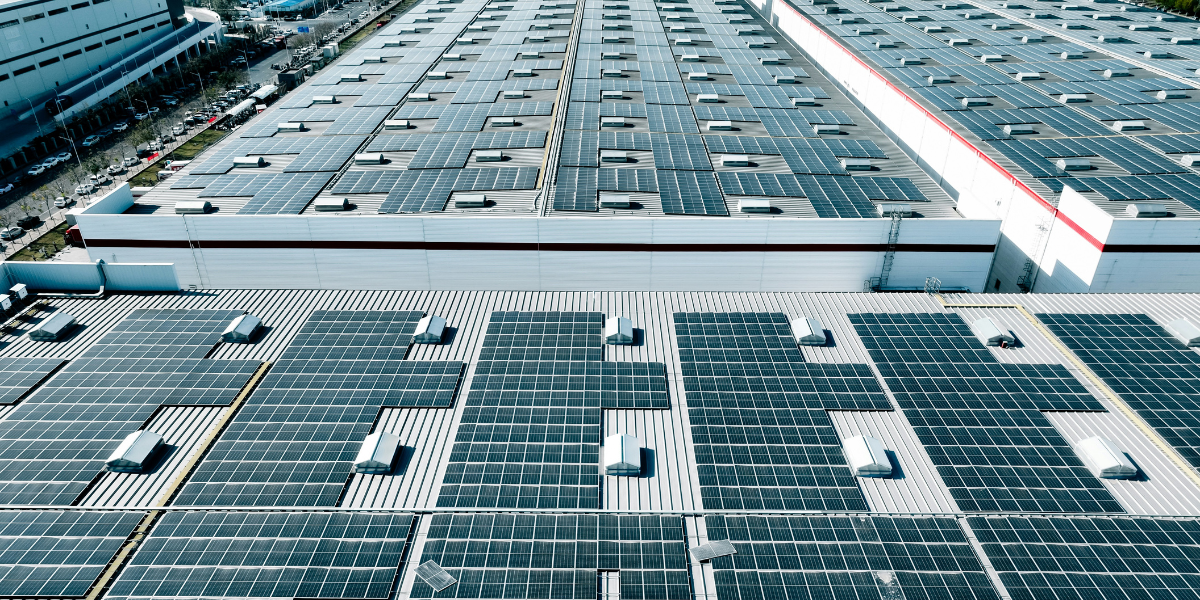
The trend becomes even more concerning in light of increasingly powerful large language models (LLMs) which seem to demand more and more energy resources. According to Epoch AI, “the cost of training frontier AI models has grown by a factor of 2 to 3x per year for the past eight years, suggesting that the largest models will cost over a billion dollars by 2027… with amortized hardware and energy cost for the final training run of frontier models growing the fastest at a rate of “2.4x per year since 2016 (95% CI: 2.0x to 3.1x).”
The growing demand for energy to support the construction of large data centres is already visible across the world, including in many parts of the Global South. For example, in Latin America, which is seen as an attractive investment destination due to “the region's strategic geographic location and relatively low operating costs… major operators such as Ascenty, ODATA, KIO Networks, Equinix, and Telmex have a significant presence, with Microsoft, [AWS], and Google Cloud further boosting the region’s growth.” These investments have turned countries in the region—Mexico, Brazil, Chile, and Colombia—into ‘primary data centre hubs’ leading to improved access to digital services and boosting employment in the region.
In places like the municipality of Colón, in the central Mexican state of Querétaro, this AI boom has meant an investment to the tune of $10 billion “for new data centres from Microsoft, Google and Amazon,” driven in part by the local government’s decision to incentivize these companies to move into the municipality through a combination of tax or land benefits. However, the increased investment in data centres has coincided with increased demands for water resources, at a time when the region’s farmers are faced with droughts and difficult decisions brought about by water rationing leading to crop failure.
The UN estimates the world population will surpass 9.5 billion people by 2050, with much of the growth taking place across the Global South, likely leading to increased demands for food. As a result, the need for agricultural output will only increase, putting even more strain on farmers, like those in Mexican state of Querétaro. This makes the relationship between resource use and growth in AI-related investments even more complicated, with AI seen as playing “a key role in making processes more efficient through agricultural robotics and digital workforce, predictive analytics and precision farming, and risk management.”
Also, for many, AI is seen as key to the fight against climate change, be that by “predict[ing] weather, track[ing] icebergs and identify[ing] pollution… AI can also be used to improve agriculture and reduce its environmental impact, [and] the power of AI to process huge amounts of data and help humans make decisions is transforming industries.” Additionally, AI's ability to analyze vast datasets and assist in decision-making is viewed as crucial in tackling climate change, whether by optimizing resource use, improving renewable energy systems, or aiding in conservation efforts, further demonstrating its transformative potential across multiple sectors.
Former Google CEO Eric Schmidt in a recent AI-related discussion hinted at yet another, albeit less encouraging, dimension of the relationship between AI and climate change. According to various reports tech giants and “many AI executives, like OpenAI's Sam Altman, [are] racing toward sustainable energy options for AI, [while] others are doubling back to fossil fuels to meet the present demand. Meanwhile some, including several of tech's biggest names and Microsoft itself, are exploring the potential of nuclear energy to match both the speed of AI investment and its demands on the energy grid.”
Even Schmidt’s former company, Google has admitted that the company has “a long way to go to meet [its] 2030 target,” with data center energy demand expected to grow by 160 percent by 2030. Even more troubling, a recent Guardian report revealed that “from 2020 to 2022 the real emissions from the ‘in-house’ or company-owned data centers of Google, Microsoft, Meta and Apple are probably about 662% – or 7.62 times – higher than officially reported.” Despite this sobering data, Schmidt has proposed a no-holds barred approach and doubling down on AI investments, suggesting that resource conservation is the wrong approach and that since “we're not going to hit the climate goals anyway… I’d rather bet on AI solving the problem, than constraining it and having the problem.”
Schmidt’s approach reflects a general consensus, especially prevalent in Silicon Valley, with the prevailing narrative being that AI and technology will enable humanity to transcend its limitations and overcome our most entrenched challenges. However, the reality is that AI, as a tool, amplifies both the best and worst aspects of human nature. This duality means that, while AI holds tremendous potential for progress, it also risks exacerbating existing problems, including deepening inequality, accelerating climate change, and entrenching imbalances of power. Ultimately, the core issues within the global development landscape remain unresolved, and without careful governance, AI could further magnify these challenges rather than alleviate them.
In light of growing inequality and the persistent digital divide, coupled with the shifting dynamics of global geopolitics, the need for future-proofing developmental policies has never been more urgent. Technological disruptions, particularly in AI and digital technologies, have created both opportunities and challenges that demand careful governance to ensure they serve the global good. Despite progress toward the 2030 Agenda, global crises such as the pandemic and ongoing conflicts have set back efforts to achieve the Sustainable Development Goals (SDGs), exposing critical shortcomings in international cooperation and resilience.
The UN Summit of the Future offers a pivotal moment to renew global commitment to the SDGs and recalibrate international development efforts. By addressing these pressing issues and setting a long-term agenda, the summit can catalyse action on a global scale. However, sustained leadership and multilateral cooperation will be essential to translating the summit’s goals into concrete outcomes. Only through a united, forward-thinking approach can the international community, including governments, private actors, and civil society, overcome current challenges.
Is South Sudan Ready to Vote? Assessing the Prospects for a Credible Election in December 2026
is-south-sudan-ready-to-vote-assessing-the-prospects-for-a-credible-election-in-december-2026
Briefing
Peace and Security
September 28, 2026
Justice-Ready by Design: What the UN’s Work with Victims of Terrorism Reveals About Digital Public Infrastructure
justice-ready-by-design-what-the-uns-work-with-victims-of-terrorism-reveals-about-digital-public-infrastructure
Commentary
AI Governance
September 23, 2026

A Start, Not an End: Reflections on the Peace Operations Review Report
a-start-not-an-end-reflections-on-the-peace-operations-review-report
Analysis
Peace and Security
September 21, 2026
European Nuclear Arms and Arms Control in an Age of Uncertainty
european-nuclear-arms-and-arms-control-in-an-age-of-uncertainty
Analysis
Peace and Security
September 10, 2026
A Blueprint for the Global Governance of Autonomous Weapon Systems
a-blueprint-for-the-global-governance-of-autonomous-weapon-systems
Report
Peace and Security
August 28, 2026

AI, Sustainable Development and the Future of Education: A Governance Imperative
ai-sustainable-development-and-the-future-of-education-a-governance-imperative
Commentary
Global Education
August 17, 2026

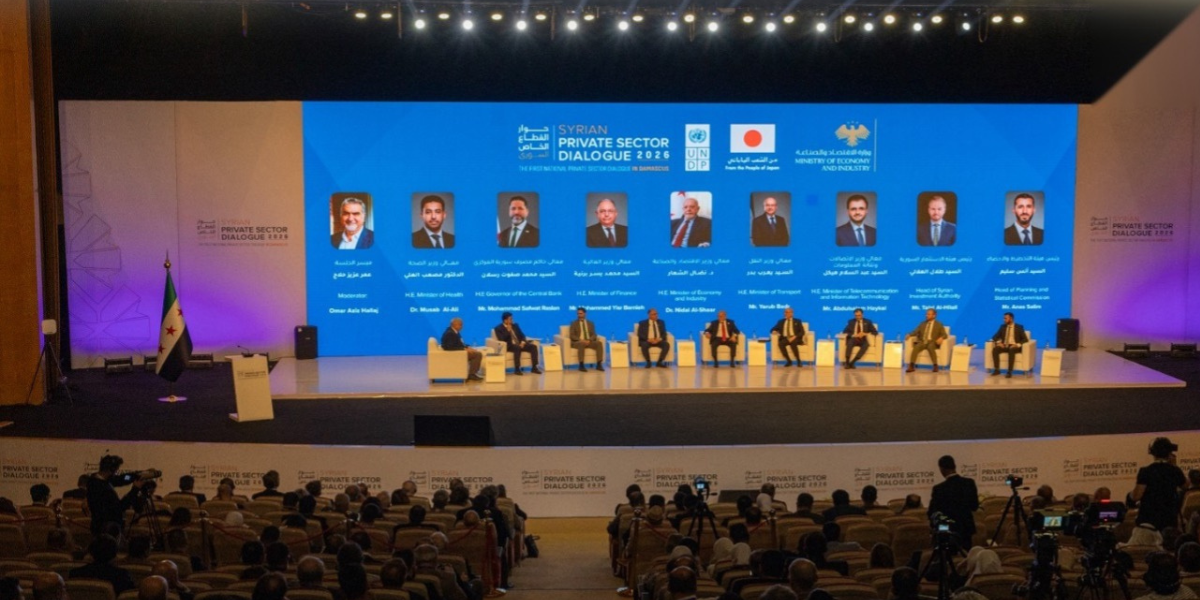
Financing Syria's Recovery: The EU and a Fragile Economic Opening
financing-syrias-recovery-the-eu-and-a-fragile-economic-opening
Briefing
Global Economy
August 12, 2026
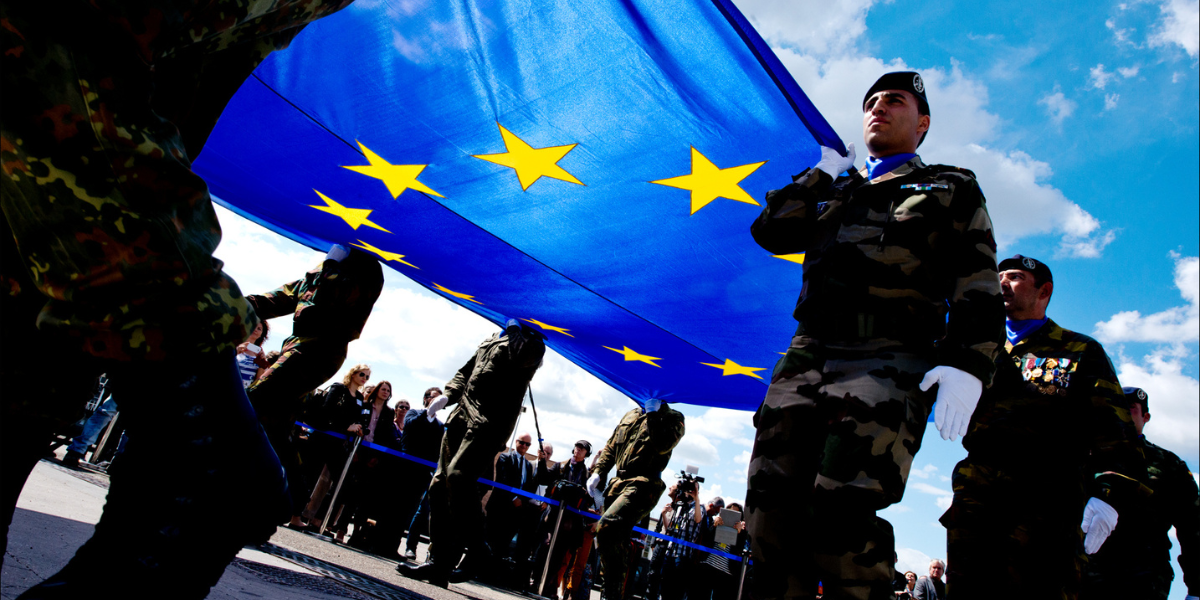
European Defence: The European Union Framework as a Dead End
european-defence-the-european-union-framework-as-a-dead-end
Briefing
Peace and Security
July 22, 2026
The New Development Bank Joins the Shift Towards Nuclear Energy Financing
the-new-development-bank-joins-the-shift-towards-nuclear-energy-financing
Commentary
Global Economy
July 13, 2026
.png)
An Issue Area Approach to Defending Global Governance
an-issue-area-approach-to-defending-global-governance
Briefing
Peace and Security
July 2, 2026

Europe’s Defence Supply Chains Need Africa and the Global South
europes-defence-supply-chains-need-africa-and-the-global-south
Commentary
Global Economy
June 12, 2026

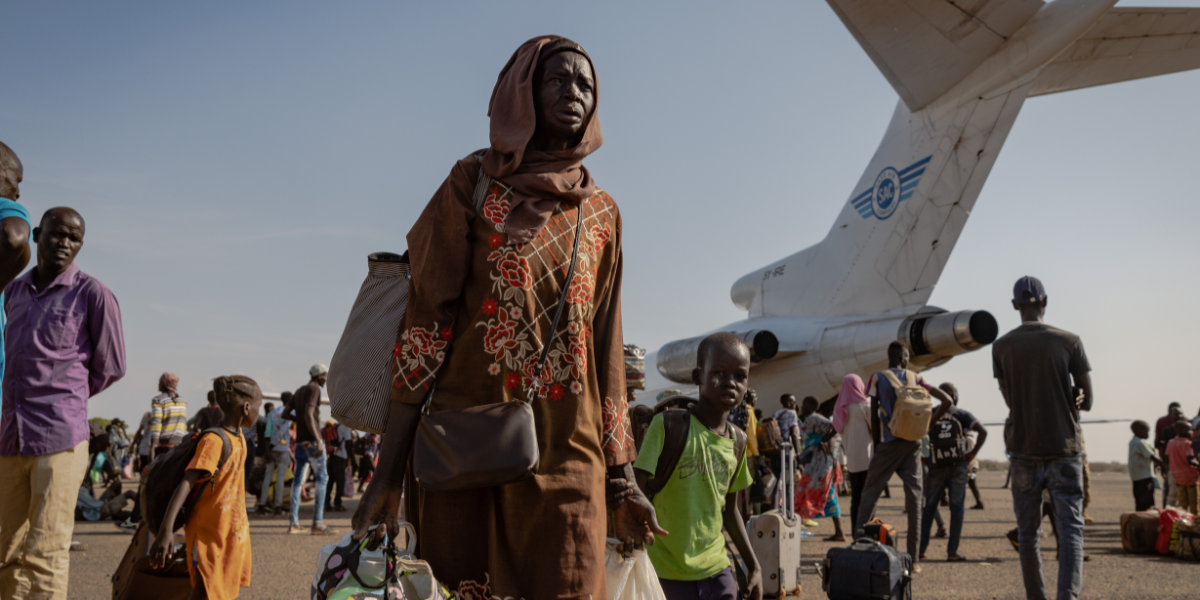
Retrenchment as Policy Failure: Aid Cuts, the Post-UNITAMS Vacuum, and Sudan's Civilian Crisis
retrenchment-as-policy-failure-aid-cuts-the-post-unitams-vacuum-and-sudans-civilian-crisis
Briefing
Peace and Security
May 28, 2026
The Illusion of AI Sovereignty: Mapping the Five-Layer AI Stack
the-illusion-of-ai-sovereignty-mapping-the-five-layer-ai-stack
Commentary
AI Governance
May 15, 2026

Towards a Science for Diplomacy? The U7+ Alliance and the Strategic Repositioning of Universities in Global Governance
towards-a-science-for-diplomacy-the-u-7-alliance-and-the-strategic-repositioning-of-universities-in-global-governance
Commentary
Global Education
April 27, 2026

The Capability Overhang: Cognition and Labor in the Age of AI
the-capability-overhang-cognition-and-labor-in-the-age-of-ai
Commentary
AI Governance
April 9, 2026
.png)
The UN80 Initiative as a Productive Failure: Between Geopolitical Disruptions and Organizational Path Dependency
the-un80-initiative-as-a-productive-failure-between-geopolitical-disruptions-and-organizational-path-dependency
Analysis
Peace and Security
March 31, 2026

Quo Vadis EU-UN Relations in Peace and Security? Evolution, Challenges and Adaptation
quo-vadis-eu-un-relations-in-peace-and-security-evolution-challenges-and-adaptation
Briefing
Peace and Security
February 27, 2026
Higher Education at a Crossroads: Why Europe’s Universities Must Lead, Not Merely Comply
higher-education-at-a-crossroads-why-europes-universities-must-lead-not-merely-comply
Commentary
Global Education
February 23, 2026

What Comes After the US-Israel Strikes on the Islamic Republic?
what-comes-after-the-us-israel-strikes-on-the-islamic-republic
Commentary
Peace and Security
December 19, 2025

Do You Know What’s in Your Skies? Emerging Challenges for Civil Aviation Governance
do-you-know-whats-in-your-skies-emerging-challenges-for-civil-aviation-governance
Commentary
AI Governance
December 18, 2025

Knowledge creation in times of scarce resources in higher education
knowledge-creation-in-times-of-scarce-resources-in-higher-education
Commentary
Global Education
November 10, 2025

Justice-Ready Digital Public Infrastructure: Building a Third Layer of Trust for Democratic Resilience
justice-ready-digital-public-infrastructure-building-a-third-layer-of-trust-for-democratic-resilience
Briefing
AI Governance
October 23, 2025

Is a Greener Future for AI Possible?
is-a-greener-future-for-ai-possible
Commentary
AI Governance
October 20, 2025
Silencing Dissent: How the Tech Backlash Threatens Transitional Justice
silencing-dissent-how-the-tech-backlash-threatens-transitional-justice
Commentary
AI Governance
October 2, 2025

Holding NATO Together and Keeping the US Engaged: Strategic Implications of the Hague Summit
holding-nato-together-and-keeping-the-us-engaged-strategic-implications-of-the-hague-summit
Analysis
Peace and Security
September 9, 2025

Reforming the UN during a financial crisis: a foreseeable failure to align money, mandates, and majorities?
reforming-the-un-during-a-financial-crisis-a-foreseeable-failure-to-align-money-mandates-and-majorities
Briefing
Peace and Security
July 9, 2025

How do we measure the quality of education?
how-do-we-measure-the-quality-of-education
Commentary
Global Education
April 28, 2025

Bound to Fail? The Limits of Diplomacy in the Russia–Ukraine War and the Future of European Security
bound-to-fail-the-limits-of-diplomacy-in-the-russia-ukraine-war-and-the-future-of-european-security
Commentary
Peace and Security
April 8, 2025

A major shift in global higher education is underway: why collective leadership and governance are more important than ever
a-major-shift-in-global-higher-education-is-underway-why-collective-leadership-and-governance-are-more-important-than-ever
Commentary
Global Education
March 26, 2025

AI's Fast-Forward Button: Can We Harness Innovation Without Sacrificing Safety?
ais-fast-forward-button-can-we-harness-innovation-without-sacrificing-safety
Commentary
AI Governance
March 10, 2025
Parliaments in the EU enlargement process: Strengthening capacities of accession country parliaments under the evolving enlargement methodology
parliaments-in-the-eu-enlargement-process-strengthening-capacities-of-accession-country-parliaments-under-the-evolving-enlargement-methodology
Report
Democracy and Human Rights
January 30, 2025
%20(1200%20x%20600%20px)%20(1200%20x%20400%20px).png)
Synthetic Biology and the Future of Global Environmental Governance
synthetic-biology-and-the-future-of-global-environmental-governance
Analysis
Global Environmental Governance
January 28, 2025

Towards a Global Agency for Governing Artificial General Intelligence: Challenges and Perspectives
towards-a-global-agency-for-governing-artificial-general-intelligence-challenges-and-perspectives
Report
AI Governance
January 14, 2025

Normalizing Russia can become Trump’s biggest mistake, but it’s not too late to prevent it
normalizing-russia-can-become-trumps-biggest-mistake-but-its-not-too-late-to-prevent-it
Commentary
Peace and Security
January 13, 2025

Stabilizing Europe’s Security Architecture after the Russo-Ukraine War? The Future of Conventional Arms Control in Europe
stabilizing-europes-security-architecture-after-the-russo-ukraine-war-the-future-of-conventional-arms-control-in-europe
Briefing
Peace and Security
November 20, 2024

INTERPOL: Challenges and Opportunities for the New Secretary General
interpol-challenges-and-opportunities-for-the-new-secretary-general
Commentary
Peace and Security
November 7, 2024

A Fork in the Road? The Kazan Summit of the BRICS
a-fork-in-the-road-the-kazan-summit-of-the-brics
Briefing
Peace and Security
October 30, 2024

UN Summit of the Future and Development: The Way Forward
un-summit-of-the-future-and-development-the-way-forward
Briefing
AI Governance
October 24, 2024
ECOWAS after the ‘Triple Withdrawal’ and the creation of the Alliance of Sahel States
ecowas-after-the-triple-withdrawal-and-the-creation-of-the-alliance-of-sahel-states-challenges-and-ways-ahead-for-regional-security-governance
Analysis
Peace and Security
October 7, 2024
Rushing to Peace, Racing to War: The Challenge of a Just Settlement
rushing-to-peace-racing-to-war-the-challenge-of-a-just-settlement
Commentary
Peace and Security
September 30, 2024
UN Summit of the Future: A Critical Moment for Global AI Governance
un-summit-of-the-future-a-critical-moment-for-global-ai-governance
Commentary
AI Governance
September 20, 2024

Shattered Security: Gender And Coups In Guinea, Mali, And Burkina Faso
shattered-security-gender-and-coups-in-guinea-mali-and-burkina-faso
Briefing
Peace and Security
June 26, 2024
Before the Peace Summit: Testing Multilateralism and Ukrainian Diplomacy
before-the-peace-summit-testing-multilateralism-and-ukrainian-diplomacy
Commentary
Peace and Security
June 14, 2024

The On-Going Quest for Teaching Excellence
the-on-going-quest-for-teaching-excellence
Commentary
Global Education
June 11, 2024

Deepening EU-Japan-US Cooperation on Critical and Emerging Technologies
deepening-eu-japan-us-cooperation-on-critical-and-emerging-technologies
Commentary
AI Governance
May 7, 2024
UNRWA’s Funding Freeze was Unjustified and Undermined Good Governance
unrwas-funding-freeze-was-unjustified-and-undermined-good-governance
Briefing
Democracy and Human Rights
April 25, 2024

Israel’s Non-implementation of the ICJ’s Provisional Measures: International Law Must Be Upheld
israels-non-implementation-of-the-icjs-provisional-measures-international-law-must-be-upheld
Briefing
Democracy and Human Rights
April 2, 2024

The EU AI Act: two steps forward, one step back
the-eu-ai-act-two-steps-forward-one-step-back
Briefing
AI Governance
March 19, 2024

The Council of Europe’s draft AI Treaty: balancing national security, innovation and human rights?
the-council-of-europes-draft-ai-treaty-balancing-national-security-innovation-and-human-rights
Commentary
AI Governance
March 18, 2024
The Ukrainian Peace Formula: content, evolution and diplomatic outreach
the-ukrainian-peace-formula-content-evolution-and-diplomatic-outreach
Analysis
Peace and Security
February 26, 2024
What developments in AI tell us about the future of governance models
what-developments-in-ai-tell-us-about-the-future-of-governance-models
Commentary
AI Governance
February 21, 2024

Whither the Global Governance of Protecting Civilians? An Initial Assessment of the ICJ’s Decision on South Africa v. Israel of 26 January 2024
whither-the-global-governance-of-protecting-civilians-an-initial-assessment-of-the-icjs-decision-on-south-africa-v-israel-of-26-january-2024
Analysis
Democracy and Human Rights
February 14, 2024
How Ukraine uses AI to fight Russian information operations
how-ukraine-uses-ai-to-fight-russian-information-operations
Commentary
AI Governance
February 12, 2024

Got trust? Global governance of emerging technologies
got-trust-global-governance-of-emerging-technologies
Commentary
AI Governance
November 28, 2023

Last minute national objections to the EU’s AI Act are a mistake. Here’s why
rolling-back-the-ai-act-is-a-mistake-heres-why
Commentary
AI Governance
November 27, 2023

Contributions of Latin America and the Caribbean to UN Peace Operations and Recommendations to Increase this Participation
new-ggi-advice-report-latin-american-and-caribbean-countries-contributions-to-un-peacekeeping
Report
Peace and Security
October 12, 2023
Armed Conflict in Nagorno-Karabakh: Crisis, Exodus, and Ethnic Cleansing
armed-conflict-in-nagorno-karabakh-crisis-exodus-and-ethnic-cleansing
Briefing
Peace and Security
October 9, 2023

Thinking of Eloho – One Year On
thinking-of-eloho-one-year-on
Commentary
Peace and Security
August 12, 2023
The Strategic Compass and the EU's Security & Defence Partnerships
the-strategic-compass-implementing-the-partnership-dimension-in-the-area-of-security-and-defence
Report
Peace and Security
July 23, 2023

Franco-German Perspectives: Europe's Moment of Geopolitics
franco-german-perspectives-europes-moment-of-geopolitics
Commentary
Peace and Security
June 2, 2023

A Comprehensive Mapping of National Higher Education Teaching Qualification schemes, Requirements and Provisions for the Promotion and Reward of Teaching Excellence
a-comprehensive-mapping-of-national-higher-education-teaching-qualification-schemes-requirements-and-provisions-for-the-promotion-and-reward-of-teaching-excellence
Report
Global Education
June 1, 2023

Stefaan de Rynck 'Inside the deal: How the EU got Brexit Done'
stefaan-de-ryncks-inside-the-deal-how-the-eu-got-brexit-done
Commentary
Global Education
April 5, 2023
NATO Allies and the Protection of Civilians
nato-allies-and-the-protection-of-civilians
Analysis
Peace and Security
January 11, 2023
Why Jettison Erasmus? The negative consequences for the UK of walking away
why-jettison-erasmus
Commentary
Global Education
January 1, 2021

Doing less with more? The difficult return of Western troop contributing countries to UN Peacekeeping
doing-less-with-more
Analysis
Peace and Security
November 2, 2020
The European Union's Role in International Economic Fora – Paper 4: The IMF
the-european-unions-role-in-international-economic-fora-paper-4-the-imf
Report
Global Economy
September 1, 2015
Civil Society Reforms in Uzbekistan: More than Government Chicanery?
civil-society-reforms-in-uzbekistan-more-than-government-chicanery
Briefing
Peace and Security
January 1, 2014
Assessing the EU’s Joint Communication on the Comprehensive Approach: Implications for EU Crisis Response and Conflict Prevention
assessing-the-eus-joint-communication-on-the-comprehensive-approach
Briefing
Peace and Security
December 15, 2013
The EU Foreign Policy of My Dreams: Ten Wishes
the-eu-foreign-policy-of-my-dreams-ten-wishes
Views from Practice
Peace and Security
December 12, 2013
The Middle East as weapons of mass destruction free zone: A proposal to overcome the deadlock
the-middle-east-as-weapons-of-mass-destruction-free-zone-a-proposal-to-overcome-the-deadlock
Views from Practice
Peace and Security
October 15, 2013

From a Militarized to a Humanized Responsibility to Protect
from-a-militarized-to-a-humanized-responsibility-to-protect-integrating-the-red-cross-and-red-crescent-into-rtop-to-respond-to-natural-disasters-and-global-climate-change
Analysis
Global Environmental Governance
June 1, 2013

Leading the Peacebuilding Commission: An Institutional History in the Making
leading-the-peacebuilding-commission-an-institutional-history-in-the-making
Views from Practice
Peace and Security
March 1, 2013
Anticipating the “Final” Arms Trade Treaty Conference: Eight Concrete Proposals
anticipating-the-final-arms-trade-treaty-conference-eight-concrete-proposals
Analysis
Peace and Security
February 1, 2013

Report for the Inquiry into the European External Action Service – EU sub-committee on External Affairs of the House Of Lords
report-for-the-inquiry-into-the-european-external-action-service---eu-sub-committee-on-external-affairs-of-the-house-of-lords
Briefing
Peace and Security
December 1, 2012
Government and the Process of Governance in Africa
government-and-the-process-of-governance-in-africa
Analysis
Peace and Security
November 1, 2012

The Responsibility to Protect and the Responsibility while Protecting: Friends or Foes?
the-responsibility-to-protect-and-the-responsibility-while-protecting-friends-or-foes
Analysis
Democracy and Human Rights
September 15, 2012

Montenegro’s Accession To The EU: Taking Stock And Suggesting Areas For Progress
montenegros-accession-to-the-eu-taking-stock-and-suggesting-areas-for-progress
Briefing
Democracy and Human Rights
August 1, 2012

Electing Freedom? Key Challenges For Libya After The 7 July 2012 Election
electing-freedom-key-challenges-for-libya-after-the-7-july-2012-election
Briefing
Peace and Security
August 1, 2012

The Somali Crisis and the EU: Moving Onshore and Committing to Somalia
the-somali-crisis-and-the-eu-moving-onshore-and-committing-to-somalia
Analysis
Peace and Security
July 1, 2012

United Nations - European Union Cooperation in the Field of Peacekeeping: Challenges and Prospects
united-nations-european-union-cooperation-in-the-field-of-peacekeeping-challenges-and-prospects
Analysis
Peace and Security
June 1, 2012
Widening The Huntress’s Reach: Legal And Strategic Aspects Of A New Atalanta Mandate
legal-and-strategic-aspects-of-a-new-atalanta-mandate
Briefing
Democracy and Human Rights
April 15, 2012

The Biological Weapons Convention, Bioterrorism And The Life Sciences
the-biological-weapons-convention-bioterrorism-and-the-life-sciences
Briefing
Peace and Security
April 1, 2012

A Democratic Justification for Military and Non-military Humanitarian Intervention
a-democratic-justification-for-military-and-non-military-humanitarian-interventions
Analysis
Democracy and Human Rights
April 1, 2012

Climate Change and Security: Adapting the Discussion to the Evidence
climate-change-and-security
Briefing
Global Environmental Governance
March 15, 2012

The United Nations Entity for Gender Equality and the Empowerment of Women (UN Women)
the-united-nations-entity-for-gender-equality-and-the-empowerment-of-women-un-women
Backgrounder
Peace and Security
September 1, 2011

The International Criminal Court and Kenya’s Post-election Violence
the-international-criminal-court-and-kenyas-post-election-violence
Analysis
Democracy and Human Rights
July 15, 2011

The United Nations Peacebuilding Architecture: Background Note
the-united-nations-peacebuilding-architecture-background-note
Briefing
Peace and Security
March 1, 2011
European Civilian Crisis Management Capacities: Bridging The Resources Gap?
european-civilian-crisis-management-capacities-bridging-the-resources-gap
Briefing
Peace and Security
January 15, 2011

The Changing Constellation of Power and Resistance in the Global Debate over Agrofuels
the-changing-constellation-of-power-and-resistance-in-the-global-debate-over-agrofuels
Analysis
Global Environmental Governance
January 1, 2011