On 1 January 2024 four emerging powers – Egypt, Ethiopia, Iran and the United Arab Emirates – joined the BRICS, opening a new chapter for the ambitious grouping. It is now seen by some commentators as the epitome of the Global South, a geopolitical alliance to rival the G7 of the West. Even though its ambition to unseat the G7 as the main coordinating body to influence global governance still seems out of reach, the debate about further enlargement, the addition of 13 “partner countries” (Monin 2024) and the ongoing drive to set up parallel institutions to the Western-led financial order (“BRICS pay”) signals renewed momentum for the BRICS after a period of economic stagnation in its member states (Rieck et al. 2016). Enlargement has also increased the relative power of Beijing within the grouping and sped up its tilt towards a more pronounced Chinese vision of global order (Tran 2024).
The Russian presidency has built on this momentum to launch new policy initiatives and portray President Putin as an influential and legitimate leader in the Global South, unfazed by Western sanctions and an international arrest warrant against him. Not without a dose of strategic symbolism, Vladimir Putin was able to welcome the Global South to Russia, at a time when he is waging a costly war of choice against a sovereign state at the European periphery. The non-interference principle of the BRICS meant that he did not have to fear criticism from his BRICS peers.
Brazil, Russia, India and China were the original four members of the BRICS, created by a foreign ministers meeting in New York at the sidelines of the UN General Assembly in September 2006. The annual summit of the BRICS heads of state was established with a Summit in Yekaterinburg in 2009 that set down the principles of non-interference, equality and mutual benefit. In the context of the Great Recession, Lula da Silva, Dmitry Medvedev, Manmohan Singh and Hu Jintao envisioned this geopolitical alliance to be an informal and flexible grouping to improve policy coordination between non-Western emerging powers to increase the voice of the Global South in the traditional fora of global governance. South Africa joined in December 2010, after lobbying by the Brazilian government that wanted more African representation and an inclusion of a democratic partner state it was already cooperating with in the IBSA (India-Brazil-South Africa) forum (Stuenkel 2021). In its early phase and with all members in the G20, the BRICS grouping lent legitimacy to the G20 by coordinating BRICS policy and compliance for that forum. Political leadership matters in setting the tone and direction of the BRICS, as the internal struggle for the soul of the BRICS shows: non-Western does not have to mean anti-Western.
The BRICS members have never signed a free trade agreement, but they do engage in technical cooperation on things such as common standards or the newly-proposed common digital currency to de-dollarize and facilitate trade between them. The BRICS have established joint financial self-help institutions, chiefly the New Development Bank (2014) that has already seen its membership grow beyond the BRICS (Reuters 2024) and the BRICS Contingent Reserve Arrangement (2015) to provide financial support during short-term balance-of-payments crises. The BRICS have become a “sandbox for experimentation with various non-USD instruments” (Gabuev/Stuenkel 2024a).
Yet the main functions of the BRICS are not economic but geopolitical. It is also more than a mere symbolic alliance producing lofty rhetoric, as some commentators have argued (O’Neill 2024). Given China’s relative power, some BRICS members are more equal than others, it is really a “4+1” association (Rieck et al. 2016). So, three primary functions stand out:
Six countries were invited to join the group at the Johannesburg Summit in August 2023, four of which participated in Kazan in October 2024 as full members: Argentina canceled its bid for membership after a change in government at the end of 2023 brought in libertarian Javier Milei and Saudi Arabia is still considering membership, at least until after the elections in the United States. Whether it joins the BRICS or not depends on the offer Washington will make to Riyadh to help bring about a postwar order in the Middle East – which will probably include American security guarantees and nuclear technology. The BRICS today is more representative of the Global South, with a strong participation of Africa and the Middle East. It also looks more anti-Western than before, with more activist members such as Iran and democracies now in the minority. At the Kazan Summit in October 2024 thirteen more countries were invited as “partner states”, Bolivia, Cuba and Algeria amongst them (Monin 2024). While this signals a certain attractiveness of the BRICS grouping, it will also increase the heterogeneity of the grouping and, in the short to medium term at least, reduce its overall cohesion, compliance and effectiveness (Yade 2024).
While China has been pushing for enlargement (Cottle 2024) for years, Brazil and India long argued against such an enlargement, fearing a more pronounced anti-Western discourse of the grouping as well as a watering down of Brasília’s and New Delhi’s exclusive relations with Beijing (Stuenkel 2024). The democracies in the BRICS want the grouping to be non-Western, not anti-Western. “BRICS is not against anyone”, as Brazilian president Lula da Silva has famously said. Until now, the lowest common denominator for the BRICS members was multipolarity and non-alignment with the West, not anti-Westernism. However, China under Xi Jinping, by far the most powerful member of the original four, is positioning the BRICS as the nucleus for an institutional alternative to the liberal international order led by the West. This points to a fundamental incompatibility between democratic and autocratic BRICS members about the direction of the grouping – a “battle for the BRICS” that Brazil, India and South Africa would have rather tried to keep under wraps and unresolved (Gabuev/Stuenkel 2024).
From the very beginning the BRICS platform has been regime neutral, i.e. members could be democracies or autocracies, although regime type mattered when defining a vision for the BRICS grouping. Should it be a platform for non-alignment with the West or an alliance geared against the West? Until now, the friction at the core of the BRICS has not led to frustration, debate nor to division. But the gravitational pull of China will mean that more often than not it will see through its vision for the BRICS and its anti-Western policy agenda, risking pushback from Brazil, India and South Africa.
Are the BRICS becoming a challenge for the West? The G7 will not lose its function as the main coordinating body of Western global policy. It is driven by a decades-long process of geopolitical alignment and value-based policy coordination in an ever growing list of policy areas, from trade and finance, to health and climate change. The G7 has long outgrown its original mandate as a purely economic body. This is why – unlike the more heterogeneous G20 as well as the non-Western BRICS – the G7 should be seen not as a “marriage of convenience” but as a “community of values”. This also explains why its capacity to enforce compliance among its member states is much higher than that of the BRICS.
The Kazan Summit 2024 has demonstrated the continued ambition of the BRICS, but it has also shown the limits of policy implementation in such a heterogeneous grouping (Johnson 2024). Its attractiveness in the Global South is due to structural reasons, stemming from a deepening of multipolarity that opens up new opportunities for multi-alignment to emerging powers. Multi-alignment is in most cases not based on anti-Western sentiment, it is rather a rational choice in a multipolar world order to extract economic and political benefits from the competing poles. Equidistance can pay off for states that have pressing development needs. So, the BRICS have not yet become an anti-Western grouping – even though the latest round of enlargement seems to have strengthened its anti-Western elements as well as Chinese leadership within it.
What does all this mean for the West, especially for Europe? Several policy options for Brussels and the member states’ capitals can be gleaned from the brief analysis above:
1. Accept: The BRICS grouping is an expression of multipolarity and it will remain impervious to Western council and criticism. Yet its influence and effectiveness should not be overestimated, the grouping will not become an alternative to the G7 anytime soon, if at all. Enlargement will only increase the diversity of its membership and will make policy coordination and alignment around a positive agenda more difficult. Europe should not feel threatened by the BRICS.
2. Assess: The BRICS have been experimenting with financial instruments beyond the US-dollar for a decade now. This is to be expected from a grouping of ambitious non-Western rising powers bent on decreasing dependence on American preeminence, but its effectiveness is still in question, as the US-dollar will remain the backbone of the global economy. Actively fighting these alternative instruments while weaponizing economic interdependence will only damage the reputation of the West more and conjure up more accusations of double-standards and hypocrisy.
3. Invest: The friction at the core of the BRICS signals to the West that its democratic members are still open for business with America and Europe. Equidistance and multi-alignment are rational responses to multipolarity but do not necessarily signal anti-Westernism. So, Europe should support these BRICS members by investing (economically and politically) in special relationships – to recognize the position of these rising states in the global system and also to lessen the impact of anti-Westernism within the BRICS grouping. At the same time, Europe should not expect these states to automatically become allies of the West. Their default position will remain equidistance and multi-alignment, a rational choice given their domestic development agenda. European states need to become attractive partners for these rising states again, but they should also invest in rejuvenation at home. Both the quality and problem-solving capacity of Europe’s liberal democracies and the dynamism of European economies need to improve to secure Europe’s voice in this debate about the future of global order – both within an effective G7 and the EU.
Cottle, Colleen (2024): “Beijing’s vision for the bloc is driving BRICS expansion”, in: Atlantic Council, 24 August 2024: https://www.atlanticcouncil.org/blogs/new-atlanticist/experts-react/brics-is-doubling-its-membership-is-the-bloc-a-new-rival-for-the-g7/
Gabuev, Alexander / Stuenkel, Oliver (2024): “The Battle for the BRICS. Why the Future of the Bloc Will Shape Global Order”, in: Foreign Affairs, 24 September 2024: https://www.foreignaffairs.com/russia/battle-brics
Gabuev, Alexander / Stuenkel, Oliver (2024a): “The U.S. Shouldn’t Dismiss BRICS Challenge”, in: Carnegie politika, 29 October 2024: https://carnegieendowment.org/russia-eurasia/politika/2024/10/brics-summit-us-challenge
Johnson, Keith (2024): “Can BRICS Finally Take On the West?”, in: Foreign Policy, 21 October 2024: https://foreignpolicy.com/2024/10/21/brics-russia-china-kazan-summit-west-dollar/
Monin, Serguei (2024): “BRICS approves Cuba, Bolivia, and 11 other countries as ‘partner states’”, in: Brasil de Fato, 24 October 2024: https://www.brasildefato.com.br/2024/10/24/brics-approves-cuba-bolivia-and-11-other-countries-as-partner-states
O’Neill, Jim (2024): “The BRICS Still Don’t Matter”, in: Project Syndicate, 17 October 2024: https://www.project-syndicate.org/commentary/moscow-brics-summit-expanded-bloc-still-rudderless-and-ineffective-by-jim-o-neill-2024-10
Rieck, Christian E. et al. (2016): “One Plus Four. BRICS – Ambitions for Geopolitical Reform and Chinese Dominance”, in: International Reports 3/2016, pp. 8-33.
Roelf, Wendell (2024): “BRICS New Development Bank authorizes Algeria to join”, in: Reuters, 31 August 2024: https://www.reuters.com/world/algeria-authorised-join-brics-bloc-2024-08-31/
Stuenkel, Oliver (2021): The BRICS and the Future of Global Order, 2nd ed., Lexington Books.
Stuenkel, Oliver (2024): “Brazil’s BRICS Balancing Act Is Getting Harder”, in: Americas Quarterly, 21 October 2024: https://www.americasquarterly.org/article/brazils-brics-balancing-act-is-getting-harder/
Tran, Hung (2024): “With six new members, BRICS is tilting towards China”, in: Atlantic Council, 24 August 2024: https://www.atlanticcouncil.org/blogs/new-atlanticist/experts-react/brics-is-doubling-its-membership-is-the-bloc-a-new-rival-for-the-g7/
Yade, Rama (2024): “BRICS has big ambitions, but it also faces new challenges”, in: Atlantic Council, 24 August 2024: https://www.atlanticcouncil.org/blogs/new-atlanticist/experts-react/brics-is-doubling-its-membership-is-the-bloc-a-new-rival-for-the-g7/
Is South Sudan Ready to Vote? Assessing the Prospects for a Credible Election in December 2026
is-south-sudan-ready-to-vote-assessing-the-prospects-for-a-credible-election-in-december-2026
Briefing
Peace and Security
September 28, 2026
Justice-Ready by Design: What the UN’s Work with Victims of Terrorism Reveals About Digital Public Infrastructure
justice-ready-by-design-what-the-uns-work-with-victims-of-terrorism-reveals-about-digital-public-infrastructure
Commentary
AI Governance
September 23, 2026

A Start, Not an End: Reflections on the Peace Operations Review Report
a-start-not-an-end-reflections-on-the-peace-operations-review-report
Analysis
Peace and Security
September 21, 2026
European Nuclear Arms and Arms Control in an Age of Uncertainty
european-nuclear-arms-and-arms-control-in-an-age-of-uncertainty
Analysis
Peace and Security
September 10, 2026
A Blueprint for the Global Governance of Autonomous Weapon Systems
a-blueprint-for-the-global-governance-of-autonomous-weapon-systems
Report
Peace and Security
August 28, 2026
AI, Sustainable Development and the Future of Education: A Governance Imperative
ai-sustainable-development-and-the-future-of-education-a-governance-imperative
Commentary
Global Education
August 17, 2026
Financing Syria's Recovery: The EU and a Fragile Economic Opening
financing-syrias-recovery-the-eu-and-a-fragile-economic-opening
Briefing
Global Economy
August 12, 2026
European Defence: The European Union Framework as a Dead End
european-defence-the-european-union-framework-as-a-dead-end
Briefing
Peace and Security
July 22, 2026
The New Development Bank Joins the Shift Towards Nuclear Energy Financing
the-new-development-bank-joins-the-shift-towards-nuclear-energy-financing
Commentary
Global Economy
July 13, 2026
.png)
An Issue Area Approach to Defending Global Governance
an-issue-area-approach-to-defending-global-governance
Briefing
Peace and Security
July 2, 2026

Europe’s Defence Supply Chains Need Africa and the Global South
europes-defence-supply-chains-need-africa-and-the-global-south
Commentary
Global Economy
June 12, 2026

Retrenchment as Policy Failure: Aid Cuts, the Post-UNITAMS Vacuum, and Sudan's Civilian Crisis
retrenchment-as-policy-failure-aid-cuts-the-post-unitams-vacuum-and-sudans-civilian-crisis
Briefing
Peace and Security
May 28, 2026
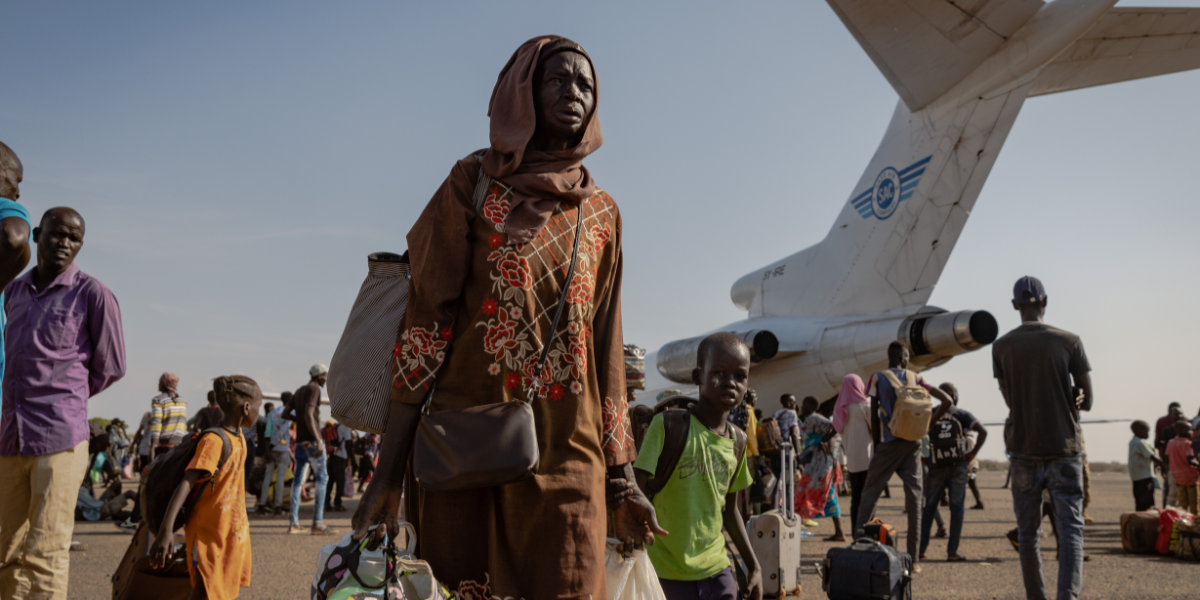
The Illusion of AI Sovereignty: Mapping the Five-Layer AI Stack
the-illusion-of-ai-sovereignty-mapping-the-five-layer-ai-stack
Commentary
AI Governance
May 15, 2026

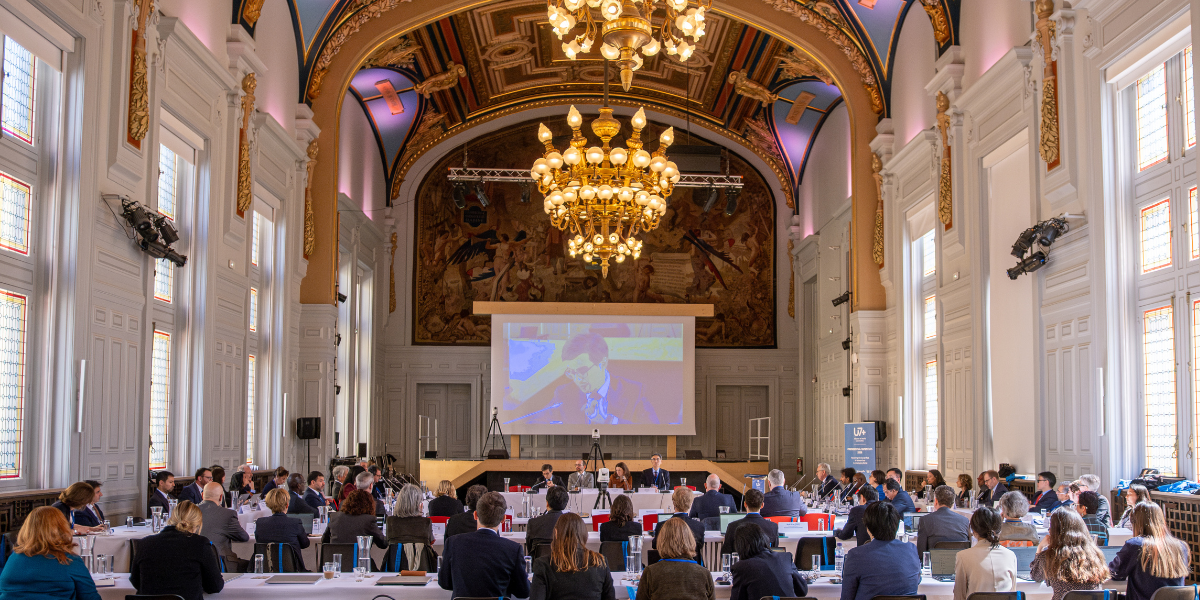
Towards a Science for Diplomacy? The U7+ Alliance and the Strategic Repositioning of Universities in Global Governance
towards-a-science-for-diplomacy-the-u-7-alliance-and-the-strategic-repositioning-of-universities-in-global-governance
Commentary
Global Education
April 27, 2026
The Capability Overhang: Cognition and Labor in the Age of AI
the-capability-overhang-cognition-and-labor-in-the-age-of-ai
Commentary
AI Governance
April 9, 2026
.png)
The UN80 Initiative as a Productive Failure: Between Geopolitical Disruptions and Organizational Path Dependency
the-un80-initiative-as-a-productive-failure-between-geopolitical-disruptions-and-organizational-path-dependency
Analysis
Peace and Security
March 31, 2026

Quo Vadis EU-UN Relations in Peace and Security? Evolution, Challenges and Adaptation
quo-vadis-eu-un-relations-in-peace-and-security-evolution-challenges-and-adaptation
Briefing
Peace and Security
February 27, 2026
Higher Education at a Crossroads: Why Europe’s Universities Must Lead, Not Merely Comply
higher-education-at-a-crossroads-why-europes-universities-must-lead-not-merely-comply
Commentary
Global Education
February 23, 2026

What Comes After the US-Israel Strikes on the Islamic Republic?
what-comes-after-the-us-israel-strikes-on-the-islamic-republic
Commentary
Peace and Security
December 19, 2025

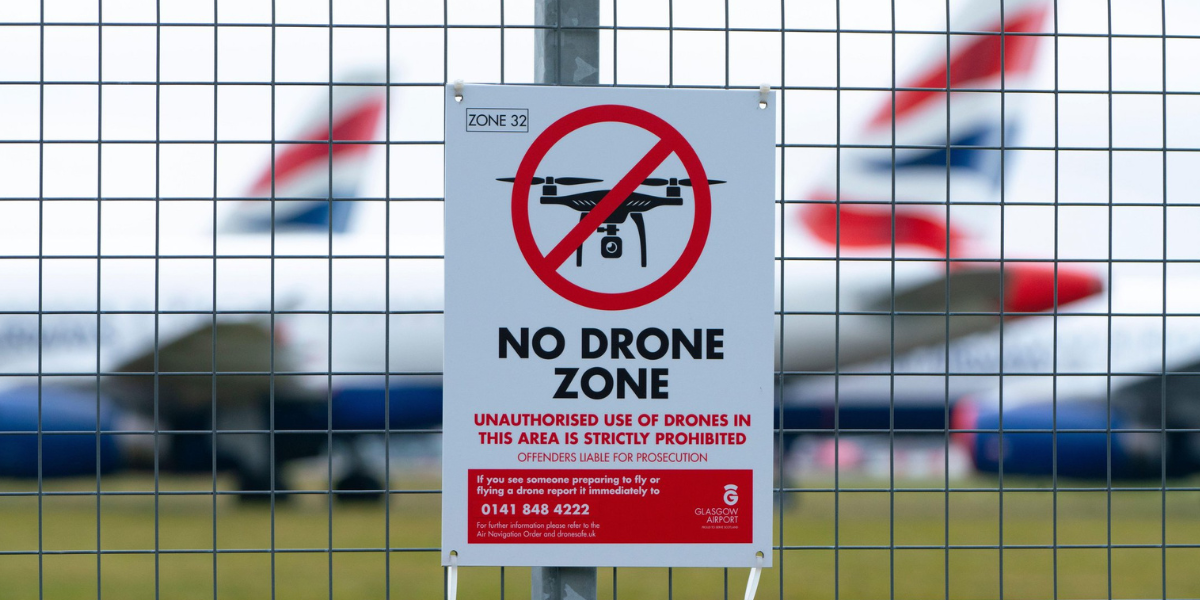
Do You Know What’s in Your Skies? Emerging Challenges for Civil Aviation Governance
do-you-know-whats-in-your-skies-emerging-challenges-for-civil-aviation-governance
Commentary
AI Governance
December 18, 2025
Knowledge creation in times of scarce resources in higher education
knowledge-creation-in-times-of-scarce-resources-in-higher-education
Commentary
Global Education
November 10, 2025

Justice-Ready Digital Public Infrastructure: Building a Third Layer of Trust for Democratic Resilience
justice-ready-digital-public-infrastructure-building-a-third-layer-of-trust-for-democratic-resilience
Briefing
AI Governance
October 23, 2025

Is a Greener Future for AI Possible?
is-a-greener-future-for-ai-possible
Commentary
AI Governance
October 20, 2025

Silencing Dissent: How the Tech Backlash Threatens Transitional Justice
silencing-dissent-how-the-tech-backlash-threatens-transitional-justice
Commentary
AI Governance
October 2, 2025

Holding NATO Together and Keeping the US Engaged: Strategic Implications of the Hague Summit
holding-nato-together-and-keeping-the-us-engaged-strategic-implications-of-the-hague-summit
Analysis
Peace and Security
September 9, 2025

Reforming the UN during a financial crisis: a foreseeable failure to align money, mandates, and majorities?
reforming-the-un-during-a-financial-crisis-a-foreseeable-failure-to-align-money-mandates-and-majorities
Briefing
Peace and Security
July 9, 2025

How do we measure the quality of education?
how-do-we-measure-the-quality-of-education
Commentary
Global Education
April 28, 2025

Bound to Fail? The Limits of Diplomacy in the Russia–Ukraine War and the Future of European Security
bound-to-fail-the-limits-of-diplomacy-in-the-russia-ukraine-war-and-the-future-of-european-security
Commentary
Peace and Security
April 8, 2025

A major shift in global higher education is underway: why collective leadership and governance are more important than ever
a-major-shift-in-global-higher-education-is-underway-why-collective-leadership-and-governance-are-more-important-than-ever
Commentary
Global Education
March 26, 2025

AI's Fast-Forward Button: Can We Harness Innovation Without Sacrificing Safety?
ais-fast-forward-button-can-we-harness-innovation-without-sacrificing-safety
Commentary
AI Governance
March 10, 2025
Parliaments in the EU enlargement process: Strengthening capacities of accession country parliaments under the evolving enlargement methodology
parliaments-in-the-eu-enlargement-process-strengthening-capacities-of-accession-country-parliaments-under-the-evolving-enlargement-methodology
Report
Democracy and Human Rights
January 30, 2025
%20(1200%20x%20600%20px)%20(1200%20x%20400%20px).png)
Synthetic Biology and the Future of Global Environmental Governance
synthetic-biology-and-the-future-of-global-environmental-governance
Analysis
Global Environmental Governance
January 28, 2025

Towards a Global Agency for Governing Artificial General Intelligence: Challenges and Perspectives
towards-a-global-agency-for-governing-artificial-general-intelligence-challenges-and-perspectives
Report
AI Governance
January 14, 2025

Normalizing Russia can become Trump’s biggest mistake, but it’s not too late to prevent it
normalizing-russia-can-become-trumps-biggest-mistake-but-its-not-too-late-to-prevent-it
Commentary
Peace and Security
January 13, 2025

Stabilizing Europe’s Security Architecture after the Russo-Ukraine War? The Future of Conventional Arms Control in Europe
stabilizing-europes-security-architecture-after-the-russo-ukraine-war-the-future-of-conventional-arms-control-in-europe
Briefing
Peace and Security
November 20, 2024

INTERPOL: Challenges and Opportunities for the New Secretary General
interpol-challenges-and-opportunities-for-the-new-secretary-general
Commentary
Peace and Security
November 7, 2024

A Fork in the Road? The Kazan Summit of the BRICS
a-fork-in-the-road-the-kazan-summit-of-the-brics
Briefing
Peace and Security
October 30, 2024

UN Summit of the Future and Development: The Way Forward
un-summit-of-the-future-and-development-the-way-forward
Briefing
AI Governance
October 24, 2024
ECOWAS after the ‘Triple Withdrawal’ and the creation of the Alliance of Sahel States
ecowas-after-the-triple-withdrawal-and-the-creation-of-the-alliance-of-sahel-states-challenges-and-ways-ahead-for-regional-security-governance
Analysis
Peace and Security
October 7, 2024
Rushing to Peace, Racing to War: The Challenge of a Just Settlement
rushing-to-peace-racing-to-war-the-challenge-of-a-just-settlement
Commentary
Peace and Security
September 30, 2024
UN Summit of the Future: A Critical Moment for Global AI Governance
un-summit-of-the-future-a-critical-moment-for-global-ai-governance
Commentary
AI Governance
September 20, 2024

Shattered Security: Gender And Coups In Guinea, Mali, And Burkina Faso
shattered-security-gender-and-coups-in-guinea-mali-and-burkina-faso
Briefing
Peace and Security
June 26, 2024
Before the Peace Summit: Testing Multilateralism and Ukrainian Diplomacy
before-the-peace-summit-testing-multilateralism-and-ukrainian-diplomacy
Commentary
Peace and Security
June 14, 2024
The On-Going Quest for Teaching Excellence
the-on-going-quest-for-teaching-excellence
Commentary
Global Education
June 11, 2024

Deepening EU-Japan-US Cooperation on Critical and Emerging Technologies
deepening-eu-japan-us-cooperation-on-critical-and-emerging-technologies
Commentary
AI Governance
May 7, 2024
UNRWA’s Funding Freeze was Unjustified and Undermined Good Governance
unrwas-funding-freeze-was-unjustified-and-undermined-good-governance
Briefing
Democracy and Human Rights
April 25, 2024

Israel’s Non-implementation of the ICJ’s Provisional Measures: International Law Must Be Upheld
israels-non-implementation-of-the-icjs-provisional-measures-international-law-must-be-upheld
Briefing
Democracy and Human Rights
April 2, 2024

The EU AI Act: two steps forward, one step back
the-eu-ai-act-two-steps-forward-one-step-back
Briefing
AI Governance
March 19, 2024

The Council of Europe’s draft AI Treaty: balancing national security, innovation and human rights?
the-council-of-europes-draft-ai-treaty-balancing-national-security-innovation-and-human-rights
Commentary
AI Governance
March 18, 2024
The Ukrainian Peace Formula: content, evolution and diplomatic outreach
the-ukrainian-peace-formula-content-evolution-and-diplomatic-outreach
Analysis
Peace and Security
February 26, 2024
What developments in AI tell us about the future of governance models
what-developments-in-ai-tell-us-about-the-future-of-governance-models
Commentary
AI Governance
February 21, 2024

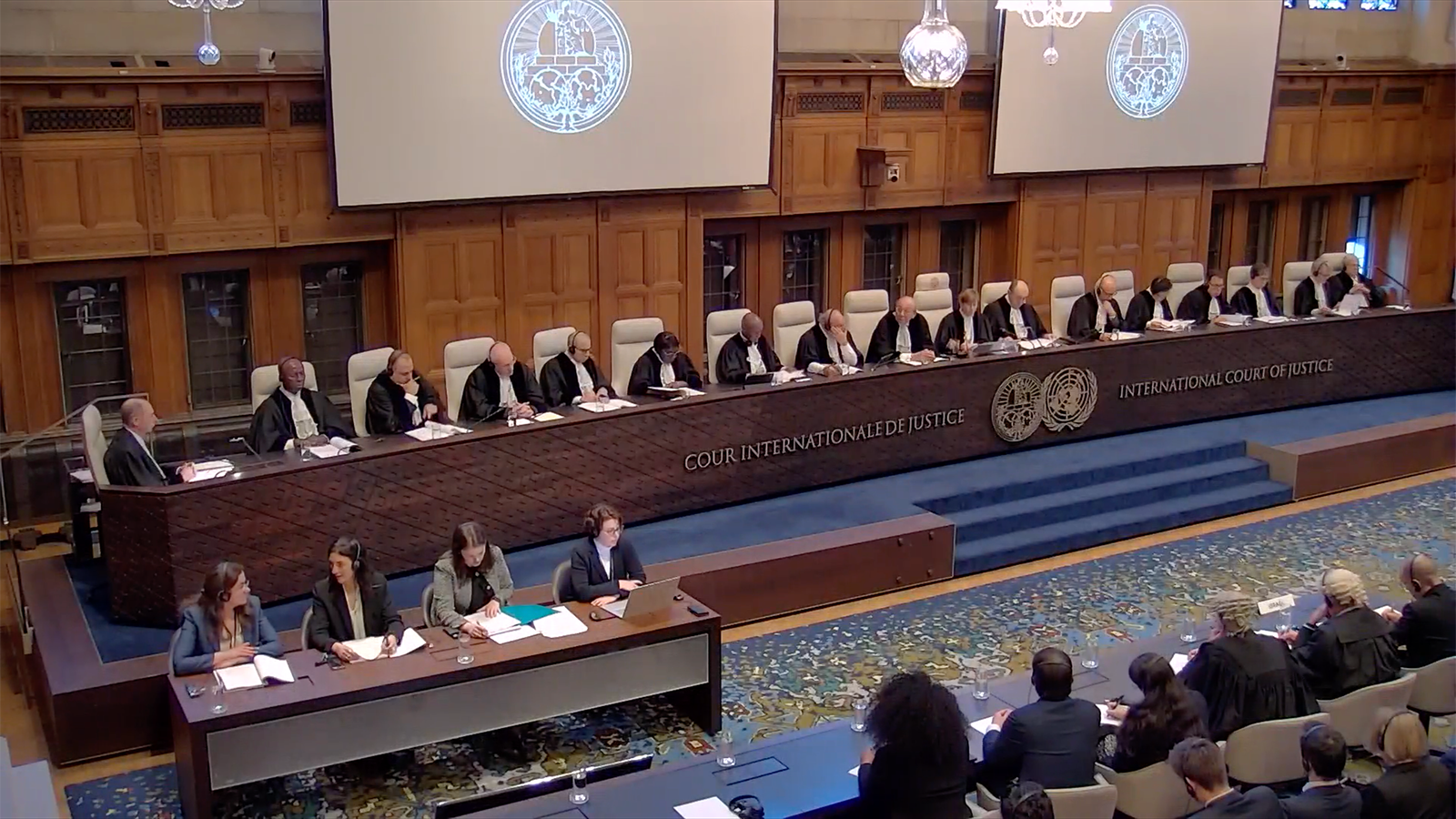
Whither the Global Governance of Protecting Civilians? An Initial Assessment of the ICJ’s Decision on South Africa v. Israel of 26 January 2024
whither-the-global-governance-of-protecting-civilians-an-initial-assessment-of-the-icjs-decision-on-south-africa-v-israel-of-26-january-2024
Analysis
Democracy and Human Rights
February 14, 2024
How Ukraine uses AI to fight Russian information operations
how-ukraine-uses-ai-to-fight-russian-information-operations
Commentary
AI Governance
February 12, 2024

Got trust? Global governance of emerging technologies
got-trust-global-governance-of-emerging-technologies
Commentary
AI Governance
November 28, 2023

Last minute national objections to the EU’s AI Act are a mistake. Here’s why
rolling-back-the-ai-act-is-a-mistake-heres-why
Commentary
AI Governance
November 27, 2023

Contributions of Latin America and the Caribbean to UN Peace Operations and Recommendations to Increase this Participation
new-ggi-advice-report-latin-american-and-caribbean-countries-contributions-to-un-peacekeeping
Report
Peace and Security
October 12, 2023
Armed Conflict in Nagorno-Karabakh: Crisis, Exodus, and Ethnic Cleansing
armed-conflict-in-nagorno-karabakh-crisis-exodus-and-ethnic-cleansing
Briefing
Peace and Security
October 9, 2023

Thinking of Eloho – One Year On
thinking-of-eloho-one-year-on
Commentary
Peace and Security
August 12, 2023
The Strategic Compass and the EU's Security & Defence Partnerships
the-strategic-compass-implementing-the-partnership-dimension-in-the-area-of-security-and-defence
Report
Peace and Security
July 23, 2023
Franco-German Perspectives: Europe's Moment of Geopolitics
franco-german-perspectives-europes-moment-of-geopolitics
Commentary
Peace and Security
June 2, 2023
A Comprehensive Mapping of National Higher Education Teaching Qualification schemes, Requirements and Provisions for the Promotion and Reward of Teaching Excellence
a-comprehensive-mapping-of-national-higher-education-teaching-qualification-schemes-requirements-and-provisions-for-the-promotion-and-reward-of-teaching-excellence
Report
Global Education
June 1, 2023

Stefaan de Rynck 'Inside the deal: How the EU got Brexit Done'
stefaan-de-ryncks-inside-the-deal-how-the-eu-got-brexit-done
Commentary
Global Education
April 5, 2023
NATO Allies and the Protection of Civilians
nato-allies-and-the-protection-of-civilians
Analysis
Peace and Security
January 11, 2023
Why Jettison Erasmus? The negative consequences for the UK of walking away
why-jettison-erasmus
Commentary
Global Education
January 1, 2021

Doing less with more? The difficult return of Western troop contributing countries to UN Peacekeeping
doing-less-with-more
Analysis
Peace and Security
November 2, 2020
The European Union's Role in International Economic Fora – Paper 4: The IMF
the-european-unions-role-in-international-economic-fora-paper-4-the-imf
Report
Global Economy
September 1, 2015
Civil Society Reforms in Uzbekistan: More than Government Chicanery?
civil-society-reforms-in-uzbekistan-more-than-government-chicanery
Briefing
Peace and Security
January 1, 2014
Assessing the EU’s Joint Communication on the Comprehensive Approach: Implications for EU Crisis Response and Conflict Prevention
assessing-the-eus-joint-communication-on-the-comprehensive-approach
Briefing
Peace and Security
December 15, 2013
The EU Foreign Policy of My Dreams: Ten Wishes
the-eu-foreign-policy-of-my-dreams-ten-wishes
Views from Practice
Peace and Security
December 12, 2013
The Middle East as weapons of mass destruction free zone: A proposal to overcome the deadlock
the-middle-east-as-weapons-of-mass-destruction-free-zone-a-proposal-to-overcome-the-deadlock
Views from Practice
Peace and Security
October 15, 2013
From a Militarized to a Humanized Responsibility to Protect
from-a-militarized-to-a-humanized-responsibility-to-protect-integrating-the-red-cross-and-red-crescent-into-rtop-to-respond-to-natural-disasters-and-global-climate-change
Analysis
Global Environmental Governance
June 1, 2013
Leading the Peacebuilding Commission: An Institutional History in the Making
leading-the-peacebuilding-commission-an-institutional-history-in-the-making
Views from Practice
Peace and Security
March 1, 2013
Anticipating the “Final” Arms Trade Treaty Conference: Eight Concrete Proposals
anticipating-the-final-arms-trade-treaty-conference-eight-concrete-proposals
Analysis
Peace and Security
February 1, 2013
Report for the Inquiry into the European External Action Service – EU sub-committee on External Affairs of the House Of Lords
report-for-the-inquiry-into-the-european-external-action-service---eu-sub-committee-on-external-affairs-of-the-house-of-lords
Briefing
Peace and Security
December 1, 2012
Government and the Process of Governance in Africa
government-and-the-process-of-governance-in-africa
Analysis
Peace and Security
November 1, 2012
The Responsibility to Protect and the Responsibility while Protecting: Friends or Foes?
the-responsibility-to-protect-and-the-responsibility-while-protecting-friends-or-foes
Analysis
Democracy and Human Rights
September 15, 2012

Montenegro’s Accession To The EU: Taking Stock And Suggesting Areas For Progress
montenegros-accession-to-the-eu-taking-stock-and-suggesting-areas-for-progress
Briefing
Democracy and Human Rights
August 1, 2012

Electing Freedom? Key Challenges For Libya After The 7 July 2012 Election
electing-freedom-key-challenges-for-libya-after-the-7-july-2012-election
Briefing
Peace and Security
August 1, 2012

The Somali Crisis and the EU: Moving Onshore and Committing to Somalia
the-somali-crisis-and-the-eu-moving-onshore-and-committing-to-somalia
Analysis
Peace and Security
July 1, 2012
United Nations - European Union Cooperation in the Field of Peacekeeping: Challenges and Prospects
united-nations-european-union-cooperation-in-the-field-of-peacekeeping-challenges-and-prospects
Analysis
Peace and Security
June 1, 2012
Widening The Huntress’s Reach: Legal And Strategic Aspects Of A New Atalanta Mandate
legal-and-strategic-aspects-of-a-new-atalanta-mandate
Briefing
Democracy and Human Rights
April 15, 2012

The Biological Weapons Convention, Bioterrorism And The Life Sciences
the-biological-weapons-convention-bioterrorism-and-the-life-sciences
Briefing
Peace and Security
April 1, 2012

A Democratic Justification for Military and Non-military Humanitarian Intervention
a-democratic-justification-for-military-and-non-military-humanitarian-interventions
Analysis
Democracy and Human Rights
April 1, 2012

Climate Change and Security: Adapting the Discussion to the Evidence
climate-change-and-security
Briefing
Global Environmental Governance
March 15, 2012
The United Nations Entity for Gender Equality and the Empowerment of Women (UN Women)
the-united-nations-entity-for-gender-equality-and-the-empowerment-of-women-un-women
Backgrounder
Peace and Security
September 1, 2011

The International Criminal Court and Kenya’s Post-election Violence
the-international-criminal-court-and-kenyas-post-election-violence
Analysis
Democracy and Human Rights
July 15, 2011

The United Nations Peacebuilding Architecture: Background Note
the-united-nations-peacebuilding-architecture-background-note
Briefing
Peace and Security
March 1, 2011
European Civilian Crisis Management Capacities: Bridging The Resources Gap?
european-civilian-crisis-management-capacities-bridging-the-resources-gap
Briefing
Peace and Security
January 15, 2011
The Changing Constellation of Power and Resistance in the Global Debate over Agrofuels
the-changing-constellation-of-power-and-resistance-in-the-global-debate-over-agrofuels
Analysis
Global Environmental Governance
January 1, 2011