The Middle East has seen vast destruction and multiple crises. The conflicts between Iran on one side and the USA and Israel on the other endanger civilian populations and threaten to draw the entire region into unpredictable, overlapping wars. Current tensions have exacerbated geopolitical confrontations and tightened geoeconomic chokepoints.
Jordan has also been adversely affected by these developments, both in security and economic costs and in terms of scrambling to develop defences against Iranian missiles aimed at military targets on its territory. The Jordanian government has tried to convey to the Iranian regime that Jordan is not part of the conflict and that it will not tolerate missiles passing through its airspace. After the United States and Israel attacked Iran in February 2026, Iran responded with attacks affecting several countries in the region, including Jordan1. The Jordanian Armed Forces reported that they dealt with 281 missiles and drones during the first five weeks of the war.
The following summer allowed for some respite and diplomatic activity. On 17 June, Washington and Tehran signed a fourteen-point Memorandum of Understanding, which aimed to open a sixty-day negotiating window. The MoU included the reopening of the Strait of Hormuz and an end to military operations on all fronts. However, on 7 July US President Trump declared the memorandum “over” and, with no final agreement reached, it formally expired on 17 August. Fighting resumed and several Arab countries, including Jordan, found themselves dragged into the conflict again2.
Iran claimed that its strikes in Jordan were not aimed at Jordanian troops, but rather at the US troops stationed at three different military bases in the area: Muwaffaq Salti/Al-Azraq Air Base, Prince Hassan Air Base, and Tower 22 Military Base. These American installations are located on Jordanian soil, close to the borders with Syria and Iraq. Jordan announced that it had recorded 478 falling-debris incidents and 25 injuries by 28 March, as well as damage to 55 homes and shops, 25 vehicles and 14 public properties. Twenty projectiles could not be intercepted3.
It is important to highlight, however, that Jordan was not targeted by Iran as part of an aggressive military act toward the state and its military. Rather, Jordan operated its air defences in its own airspace, which it has the right to do under international law. The Jordanian air defence efforts lasted for over six months, with the aim of protecting the Western military presence and preventing airborne threats to towns and villages. European leaders and politicians often refer to the Kingdom as a frontline state absorbing pressure from its region. However, during the first six months of the war, Jordan also functioned as a supplier of a capability that NATO members did not have to provide themselves.
Jordan has a long record of operational cooperation with its Western allies, including support and coordination, particularly with the US4, but also with the United Kingdom, France, and to a lesser extent, Germany. Jordan’s long-standing military cooperation agreement with the US includes training, cooperation, and the presence of US soldiers on designated military bases. The cooperation was the most extensive during the war on ISIS (DA’ASH), when Jordan joined the coalition to combat the terrorist group located in Syria and some areas in Iraq. This is an indication of the depth of coordination capabilities that Jordan has built with its allies over the years, a capability that could not be put in place by external partners once a crisis has already started.
Jordan’s situation is complicated by the geographical challenges that it has faced throughout history. At its northern border, Jordan faces the Syrian transition, where Suwayda, a major Syrian governorate, is still in turmoil. The Administrative Council of Jabal Bashan, which governs the Suwayda Governorate, is accused by both the Jordanian and the Syrian governments of producing and smuggling illegal drugs and other substances. Jordan has carried out several air raids on drug lords in the area. At its western border, Jordan faces the historical dilemma of Palestine, as well as an increasingly aggressive Israeli government. The influx of refugees from the region increased pressures on Jordan’s infrastructure, while Palestinian, Syrian and Iraqi refugees have been integrated (more or less successfully) into the Jordanian economy for some time. Despite the support from the international community, Jordan’s capacity remains limited: the question of how to pay for air defence, policing and (military) training, which are already a heavy burden on the state’s budget, is not an abstract one. So far, Jordan’s answer to this budgetary and manpower question can be found in the constant deficits reported every year.
Jordan’s formal relationship with the EU can be described as significant and impressive on paper, as a strategic and comprehensive partnership was signed in January 2025, followed by the first EU-Jordan summit on 8 January 20265. The summit resulted in a EUR 3 billion pledge by the EU for the period between 2025 and 2027, of which EUR 1.4 billion comes in the form of investments, EUR 1 billion in concessional loans and EUR 640 million in grants. In addition, the Council approved EUR 500 million in macro-financial assistance on 20 January.
On the face of it, this could indeed be considered as proof that the European Union considers Jordan a strategic partner, but in reality, of the EUR 3 billion, only EUR 640 million consists of grants. The rest is investment and concessional lending to a country that already carries a heavy debt burden. The priorities attached to the support are also telling. The package is built around economic resilience, human capital and the refugee crisis, which suggests that the EU still sees Jordan mainly as a country to be stabilised. That view may have fitted the last decade, but it no longer matches what Jordan does now: it provides security to Europe and its partners, rather than only receiving support.
This year, there have been several developments worth mentioning: first, on 4 February, the first EU-Jordan Security and Defence Dialogue was held in Amman, co-chaired by Charles Fries from the European External Action Service and Daifallah Al-Fayes from the Jordanian foreign ministry6. The Dialogue covered Red Sea maritime security and counter-terrorism, as well as further cooperation in the training of Palestinian Civil Police officers for future deployment in Gaza. Secondly, and separate from the Council of the EU, France has been hosting Aqaba Process meetings to support the Lebanese Armed Forces, an effort to which Jordan has contributed significantly for some time now and which might also be beneficial for the EU’s new training mission in Lebanon.
On both occasions, Jordan’s role was directed toward the training of personnel and capacity building in a situation that Europe considers central to its security, without directly carrying the burden. This does not fit the category of aid absorption. Both are better described as service provision, yet neither fits under the EU’s financial system for Jordan.
On 17 September, King Abdullah II and President Macron signed the Jordanian-French Defence Cooperation Agreement at the Hôtel des Invalides in Paris7. The Royal Court described the agreement as “a comprehensive framework for organizing various aspects of cooperation in this field, in service of mutual interests and to strengthen Jordan and France’s joint contribution to consolidating security and stability in the region.” It should be noted that the press releases mentioned no precise figures for the contributions, and that no equipment annex was released either.
Despite the absence of detailed information and figures, this still shows that Paris has outspent Brussels at least on the instrument level. France, a member state of the European Union, has agreed a government-to-government defence framework, a bilateral treaty with Jordan, while cooperation between the European Union and Jordan is still at the dialogue stage, which began in February this year and is expected to take several rounds of discussion between Amman and Brussels.
Arguably, Jordan has presented itself as a trusted partner over the years, due at least in part to King Abdullah II, who has reigned since 1999, and has developed strong relations with various EU member states. He has shown predictability and stability in his dealings with European partners, and while EU partnerships tend to change when governments do, Jordan’s position has remained relatively stable. The King has invested effort and time to build the convening capacity necessary for the Aqaba Process, which started in 2015 and had held 33 meetings by 20258. The latest meeting, held in Paris on 17 September, focused on the Lebanese Armed Forces and was chaired by President Macron and President Aoun and attended by an EU delegation.
Domestically, however, the state of civil and political liberties in Jordan is still a point of contention. Jordan is ranked “Partly Free” by Freedom House9, and the EEAS has expressed some concerns about the 2023 Cybercrimes Law10. In response, the EU is trying to manage this tension through certain conditions that are linked to the macro-financial assistance, and the defence framework might have the same or similar conditions without being weakened by them.
On the other hand, the EU uses further instruments in its cooperation with Jordan. The total European Peace Facility support to Jordan stands at EUR 55 million, spread over three bilateral assistance measures11. Interestingly, one recent measure that was adopted on 24 November 2025, worth EUR 35 million, funds short-range radars, a local command and control system and other maintenance and operational training sessions. This shows the EU’s increased interest in countering compact missiles and drones reaching Jordan from the east. However, as funding for short-range radars and for an effort that tracked and engaged 281 projectiles in five weeks, followed by a six-month interception operation, this sum seems rather insignificant. The same facility has committed more than EUR 11 billion to Ukraine since 202212, some 200 times its support to Jordan. While the two cases differ in their importance for the European continent and their strategic relevance for the EU, the figures show what EU instruments can do once member states realise that a comprehensive security partnership with Jordan is also in their own strategic interest.
However, one also needs to consider the high costs for both sides. As is often the case, bilateral frameworks are negotiated and signed faster than agreements between partners and the European Union. Every new bilateral agreement will reduce the incentive of member states to spend more capital on European Union-level instruments. This implies that if France (and, in time, other countries) negotiate bilateral agreements and obtain what they need from Jordan directly, then the Security and Defence Dialogue will be relegated to a mere reporting exercise, with the EU eventually being tasked only with the financing of a partnership whose security needs and strategic priorities are being agreed upon elsewhere. For Jordan, this outcome is not preferable, as multiple bilateral relationships are less predictable and actionable than a common framework with the European Union, exposing the partnership with Europe to the ups and downs of changes in European governments. This underlines the case for a comprehensive EU-Jordan framework.
To make this actionable, three things need to be put in place. First, the Security and Defence Dialogue should go beyond being a mere consultation platform and develop a concrete work programme with clear deliverables, a Jordanian counterpart for each, and fixed review dates. In principle, the dialogue should resemble what France signed in September, rather than a loose conversation.
Second, and more importantly, the European Peace Facility envelope for Jordan should be significantly increased in line with a joint capability review, which the EU has not yet conducted, but which should be initiated before the next dialogue. EUR 55 million across three measures is not proportionate to what Jordanian air defence did for European security in 2025 and 2026, and it would be unsustainable to expect Jordan to step up again given the risks currently affecting the MENA region.
The third item relates to arrangements and substance. The next dialogue, due in Brussels, should be scheduled before the end of the first quarter of 2027 and would be the right opportunity to put these points on the table. To prepare for this meeting, a comprehensive capability review should be initiated to provide a clear status report. It should principally address the coordination and combined operations between Jordan and member states over the past two years, rather than treating what Jordanian air defence did as a standalone procurement question. This could be supported by an operational report covering air defence actions over the last six months, including documentation that was shared with member states13.
The author has worked in and around Jordan’s protection and humanitarian system and has witnessed the European institutions’ habit of treating the Kingdom as a place where regional problems can be managed at a reasonable cost. That habit is now out of date, ineffective and unsustainable. We are seeing that EU member states, particularly France, have moved on their own without waiting for Brussels. The issue here is not a political one, but an institutional one. After all, the European Union knows what Jordan is worth: it is a matter of urgency and strategy to advance a properly funded, comprehensive framework at the EU level.
1 ‘Army: 261 Missiles and Drones Intercepted Out of 281 Targeting Jordan Over 5 Weeks’, Jordan News, 4 April 2026, available online at https://www.jordannews.jo/Section-109/News/Army-261-Missiles-and-Drones-Intercepted-Out-of-281-Targeting-Jordan-Over-5-Weeks-50305
2 Sarah Shamim (2026) ‘US-Iran Memorandum of Understanding expires: How and why it fell apart’, Al Jazeera, 17 August 2026, available online at https://www.aljazeera.com/news/2026/8/17/us-iran-memorandum-of-understanding-expires-how-and-why-it-fell-apart
3 Laith Aljindy and Khaled Badr (2026) ‘Jordan says over 240 missiles and drones intercepted since start of war’, Anadolu Agency, 28 March 2026, available online at https://www.aa.com.tr/en/middle-east/jordan-says-over-240-missiles-and-drones-intercepted-since-start-of-war/3883138
4 Teoman S. Nicanci (2026) ‘U.S. Strengthens Air Combat Forces at Jordan’s Muwaffaq Salti Base Near Israel as Iran Tensions Escalate’, Army Recognition, 3 March 2026, available online at https://www.armyrecognition.com/news/aerospace-news/2026/u-s-strengthens-air-combat-forces-at-jordans-muwaffaq-salti-base-near-israel-as-iran-tensions-escalate
5 European Commission, Directorate-General for the Middle East, North Africa and the Gulf (2026) ‘EU and Jordan deepen partnership with first-ever Summit’, 8 January 2026, available online at https://north-africa-middle-east-gulf.ec.europa.eu/news/eu-and-jordan-deepen-partnership-first-ever-summit-2026-01-08_en
6 European Commission, Directorate-General for the Middle East, North Africa and the Gulf (2026) ‘Jordan-EU Security and Defence Dialogue’, 6 February 2026, available online at https://north-africa-middle-east-gulf.ec.europa.eu/news/jordan-eu-security-and-defence-dialogue-2026-02-06_en
7 ‘King, France president discuss ties, witness signing of defence cooperation agreement in Paris’, The Jordan Times, 17 September 2026, available online at https://jordantimes.com/news/local/king-france-president-discuss-ties-witness-signing-of-defence-cooperation-agreement-in-paris
8 Emanuele Rossi (2025) ‘Rome hosts the Aqaba Process summit focused on West Africa’, Decode39, 15 October 2025, available online at https://decode39.com/12074/rome-hosts-the-aqaba-process-summit-focused-on-west-africa/
9 Freedom House (2025) ‘Jordan: Freedom in the World 2025’, available online at https://freedomhouse.org/country/jordan/freedom-world/2025
10 European External Action Service (2023) ‘Jordan: Statement by the Spokesperson on the revision of the Cybercrimes Law’, 17 August 2023, available online at https://www.eeas.europa.eu/eeas/jordan-statement-spokesperson-revision-cybercrimes-law_en
11 Council of the European Union (2025) ‘European Peace Facility: Council adopts assistance measures in support of the armed forces of Jordan, the Democratic Republic of the Congo and Chad’, 24 November 2025, available online at https://www.consilium.europa.eu/en/press/press-releases/2025/11/24/european-peace-facility-council-adopts-assistance-measures-in-support-of-the-armed-forces-of-jordan-the-democratic-republic-of-the-congo-and-chad/
12 Annachiara Magenta (2026) ‘Agreement between EU countries on the conditions for granting €6.6 billion to Kyiv’, Eunews, 25 September 2026, available online at https://www.eunews.it/en/2026/09/25/agreement-between-eu-countries-on-the-conditions-for-granting-e6-6-billion-to-kyiv/
13 Royal Air Force (2026) ‘RAF F-35 Conducts First Combat Shoot-Down on Operations’, 6 March 2026, available online at https://www.raf.mod.uk/news/articles/raf-f-35-conducts-first-combat-shoot-down-on-operations/
GGI Briefing 6/2026
Zaid Adelby is a GGI Democracy and Human Rights Fellow. He is a humanitarian professional with over ten years of experience working with international organisations in Jordan, primarily with the United Nations High Commissioner for Refugees (UNHCR). His work has focused on protection, programme coordination and operational support in complex humanitarian settings.
From Buffer to Partner? Why the EU Should Deepen Its Security Cooperation with Jordan
from-buffer-to-partner-why-the-eu-should-deepen-its-security-cooperation-with-jordan
Briefing
Peace and Security
November 18, 2026

Artificial Intelligence and the Future of the Economy in Asia and the Pacific
artificial-intelligence-and-the-future-of-the-economy-in-asia-and-the-pacific
Commentary
Global Economy
November 12, 2026

Is South Sudan Ready to Vote? Assessing the Prospects for a Credible Election in December 2026
is-south-sudan-ready-to-vote-assessing-the-prospects-for-a-credible-election-in-december-2026
Briefing
Peace and Security
September 28, 2026
Justice-Ready by Design: What the UN’s Work with Victims of Terrorism Reveals About Digital Public Infrastructure
justice-ready-by-design-what-the-uns-work-with-victims-of-terrorism-reveals-about-digital-public-infrastructure
Commentary
AI Governance
September 23, 2026

A Start, Not an End: Reflections on the Peace Operations Review Report
a-start-not-an-end-reflections-on-the-peace-operations-review-report
Analysis
Peace and Security
September 21, 2026
European Nuclear Arms and Arms Control in an Age of Uncertainty
european-nuclear-arms-and-arms-control-in-an-age-of-uncertainty
Analysis
Peace and Security
September 10, 2026
A Blueprint for the Global Governance of Autonomous Weapon Systems
a-blueprint-for-the-global-governance-of-autonomous-weapon-systems
Report
Peace and Security
August 28, 2026
AI, Sustainable Development and the Future of Education: A Governance Imperative
ai-sustainable-development-and-the-future-of-education-a-governance-imperative
Commentary
Global Education
August 17, 2026
Financing Syria's Recovery: The EU and a Fragile Economic Opening
financing-syrias-recovery-the-eu-and-a-fragile-economic-opening
Briefing
Global Economy
August 12, 2026
European Defence: The European Union Framework as a Dead End
european-defence-the-european-union-framework-as-a-dead-end
Briefing
Peace and Security
July 22, 2026
The New Development Bank Joins the Shift Towards Nuclear Energy Financing
the-new-development-bank-joins-the-shift-towards-nuclear-energy-financing
Commentary
Global Economy
July 13, 2026

An Issue Area Approach to Defending Global Governance
an-issue-area-approach-to-defending-global-governance
Briefing
Peace and Security
July 2, 2026

Europe’s Defence Supply Chains Need Africa and the Global South
europes-defence-supply-chains-need-africa-and-the-global-south
Commentary
Global Economy
June 12, 2026

Retrenchment as Policy Failure: Aid Cuts, the Post-UNITAMS Vacuum, and Sudan's Civilian Crisis
retrenchment-as-policy-failure-aid-cuts-the-post-unitams-vacuum-and-sudans-civilian-crisis
Briefing
Peace and Security
May 28, 2026
The Illusion of AI Sovereignty: Mapping the Five-Layer AI Stack
the-illusion-of-ai-sovereignty-mapping-the-five-layer-ai-stack
Commentary
AI Governance
May 15, 2026

Towards a Science for Diplomacy? The U7+ Alliance and the Strategic Repositioning of Universities in Global Governance
towards-a-science-for-diplomacy-the-u-7-alliance-and-the-strategic-repositioning-of-universities-in-global-governance
Commentary
Global Education
April 27, 2026
The Capability Overhang: Cognition and Labor in the Age of AI
the-capability-overhang-cognition-and-labor-in-the-age-of-ai
Commentary
AI Governance
April 9, 2026

The UN80 Initiative as a Productive Failure: Between Geopolitical Disruptions and Organizational Path Dependency
the-un80-initiative-as-a-productive-failure-between-geopolitical-disruptions-and-organizational-path-dependency
Analysis
Peace and Security
March 31, 2026

Quo Vadis EU-UN Relations in Peace and Security? Evolution, Challenges and Adaptation
quo-vadis-eu-un-relations-in-peace-and-security-evolution-challenges-and-adaptation
Briefing
Peace and Security
February 27, 2026
Higher Education at a Crossroads: Why Europe’s Universities Must Lead, Not Merely Comply
higher-education-at-a-crossroads-why-europes-universities-must-lead-not-merely-comply
Commentary
Global Education
February 23, 2026

What Comes After the US-Israel Strikes on the Islamic Republic?
what-comes-after-the-us-israel-strikes-on-the-islamic-republic
Commentary
Peace and Security
December 19, 2025

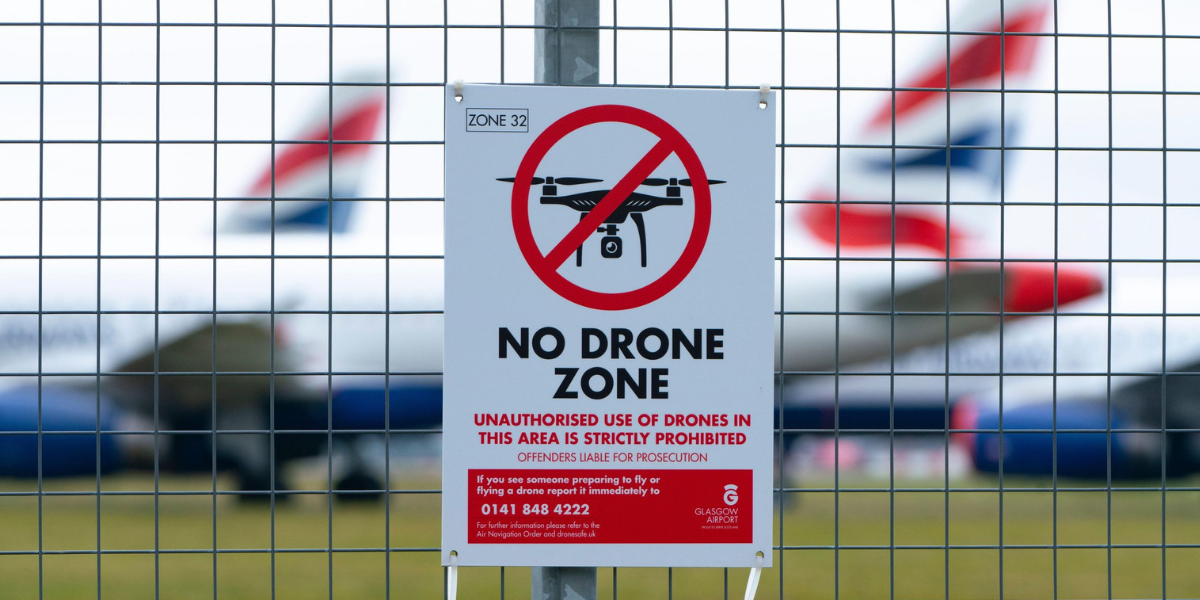
Do You Know What’s in Your Skies? Emerging Challenges for Civil Aviation Governance
do-you-know-whats-in-your-skies-emerging-challenges-for-civil-aviation-governance
Commentary
AI Governance
December 18, 2025
Knowledge creation in times of scarce resources in higher education
knowledge-creation-in-times-of-scarce-resources-in-higher-education
Commentary
Global Education
November 10, 2025

Justice-Ready Digital Public Infrastructure: Building a Third Layer of Trust for Democratic Resilience
justice-ready-digital-public-infrastructure-building-a-third-layer-of-trust-for-democratic-resilience
Briefing
AI Governance
October 23, 2025

Is a Greener Future for AI Possible?
is-a-greener-future-for-ai-possible
Commentary
AI Governance
October 20, 2025
Silencing Dissent: How the Tech Backlash Threatens Transitional Justice
silencing-dissent-how-the-tech-backlash-threatens-transitional-justice
Commentary
AI Governance
October 2, 2025

Holding NATO Together and Keeping the US Engaged: Strategic Implications of the Hague Summit
holding-nato-together-and-keeping-the-us-engaged-strategic-implications-of-the-hague-summit
Analysis
Peace and Security
September 9, 2025

Reforming the UN during a financial crisis: a foreseeable failure to align money, mandates, and majorities?
reforming-the-un-during-a-financial-crisis-a-foreseeable-failure-to-align-money-mandates-and-majorities
Briefing
Peace and Security
July 9, 2025

How do we measure the quality of education?
how-do-we-measure-the-quality-of-education
Commentary
Global Education
April 28, 2025

Bound to Fail? The Limits of Diplomacy in the Russia–Ukraine War and the Future of European Security
bound-to-fail-the-limits-of-diplomacy-in-the-russia-ukraine-war-and-the-future-of-european-security
Commentary
Peace and Security
April 8, 2025

A major shift in global higher education is underway: why collective leadership and governance are more important than ever
a-major-shift-in-global-higher-education-is-underway-why-collective-leadership-and-governance-are-more-important-than-ever
Commentary
Global Education
March 26, 2025

AI's Fast-Forward Button: Can We Harness Innovation Without Sacrificing Safety?
ais-fast-forward-button-can-we-harness-innovation-without-sacrificing-safety
Commentary
AI Governance
March 10, 2025
Parliaments in the EU enlargement process: Strengthening capacities of accession country parliaments under the evolving enlargement methodology
parliaments-in-the-eu-enlargement-process-strengthening-capacities-of-accession-country-parliaments-under-the-evolving-enlargement-methodology
Report
Democracy and Human Rights
January 30, 2025

Synthetic Biology and the Future of Global Environmental Governance
synthetic-biology-and-the-future-of-global-environmental-governance
Analysis
Global Environmental Governance
January 28, 2025

Towards a Global Agency for Governing Artificial General Intelligence: Challenges and Perspectives
towards-a-global-agency-for-governing-artificial-general-intelligence-challenges-and-perspectives
Report
AI Governance
January 14, 2025

Normalizing Russia can become Trump’s biggest mistake, but it’s not too late to prevent it
normalizing-russia-can-become-trumps-biggest-mistake-but-its-not-too-late-to-prevent-it
Commentary
Peace and Security
January 13, 2025

Stabilizing Europe’s Security Architecture after the Russo-Ukraine War? The Future of Conventional Arms Control in Europe
stabilizing-europes-security-architecture-after-the-russo-ukraine-war-the-future-of-conventional-arms-control-in-europe
Briefing
Peace and Security
November 20, 2024

INTERPOL: Challenges and Opportunities for the New Secretary General
interpol-challenges-and-opportunities-for-the-new-secretary-general
Commentary
Peace and Security
November 7, 2024

A Fork in the Road? The Kazan Summit of the BRICS
a-fork-in-the-road-the-kazan-summit-of-the-brics
Briefing
Peace and Security
October 30, 2024

UN Summit of the Future and Development: The Way Forward
un-summit-of-the-future-and-development-the-way-forward
Briefing
AI Governance
October 24, 2024
ECOWAS after the ‘Triple Withdrawal’ and the creation of the Alliance of Sahel States
ecowas-after-the-triple-withdrawal-and-the-creation-of-the-alliance-of-sahel-states-challenges-and-ways-ahead-for-regional-security-governance
Analysis
Peace and Security
October 7, 2024
Rushing to Peace, Racing to War: The Challenge of a Just Settlement
rushing-to-peace-racing-to-war-the-challenge-of-a-just-settlement
Commentary
Peace and Security
September 30, 2024
UN Summit of the Future: A Critical Moment for Global AI Governance
un-summit-of-the-future-a-critical-moment-for-global-ai-governance
Commentary
AI Governance
September 20, 2024

Shattered Security: Gender And Coups In Guinea, Mali, And Burkina Faso
shattered-security-gender-and-coups-in-guinea-mali-and-burkina-faso
Briefing
Peace and Security
June 26, 2024
Before the Peace Summit: Testing Multilateralism and Ukrainian Diplomacy
before-the-peace-summit-testing-multilateralism-and-ukrainian-diplomacy
Commentary
Peace and Security
June 14, 2024
The On-Going Quest for Teaching Excellence
the-on-going-quest-for-teaching-excellence
Commentary
Global Education
June 11, 2024

Deepening EU-Japan-US Cooperation on Critical and Emerging Technologies
deepening-eu-japan-us-cooperation-on-critical-and-emerging-technologies
Commentary
AI Governance
May 7, 2024
UNRWA’s Funding Freeze was Unjustified and Undermined Good Governance
unrwas-funding-freeze-was-unjustified-and-undermined-good-governance
Briefing
Democracy and Human Rights
April 25, 2024

Israel’s Non-implementation of the ICJ’s Provisional Measures: International Law Must Be Upheld
israels-non-implementation-of-the-icjs-provisional-measures-international-law-must-be-upheld
Briefing
Democracy and Human Rights
April 2, 2024

The EU AI Act: two steps forward, one step back
the-eu-ai-act-two-steps-forward-one-step-back
Briefing
AI Governance
March 19, 2024

The Council of Europe’s draft AI Treaty: balancing national security, innovation and human rights?
the-council-of-europes-draft-ai-treaty-balancing-national-security-innovation-and-human-rights
Commentary
AI Governance
March 18, 2024
The Ukrainian Peace Formula: content, evolution and diplomatic outreach
the-ukrainian-peace-formula-content-evolution-and-diplomatic-outreach
Analysis
Peace and Security
February 26, 2024
What developments in AI tell us about the future of governance models
what-developments-in-ai-tell-us-about-the-future-of-governance-models
Commentary
AI Governance
February 21, 2024

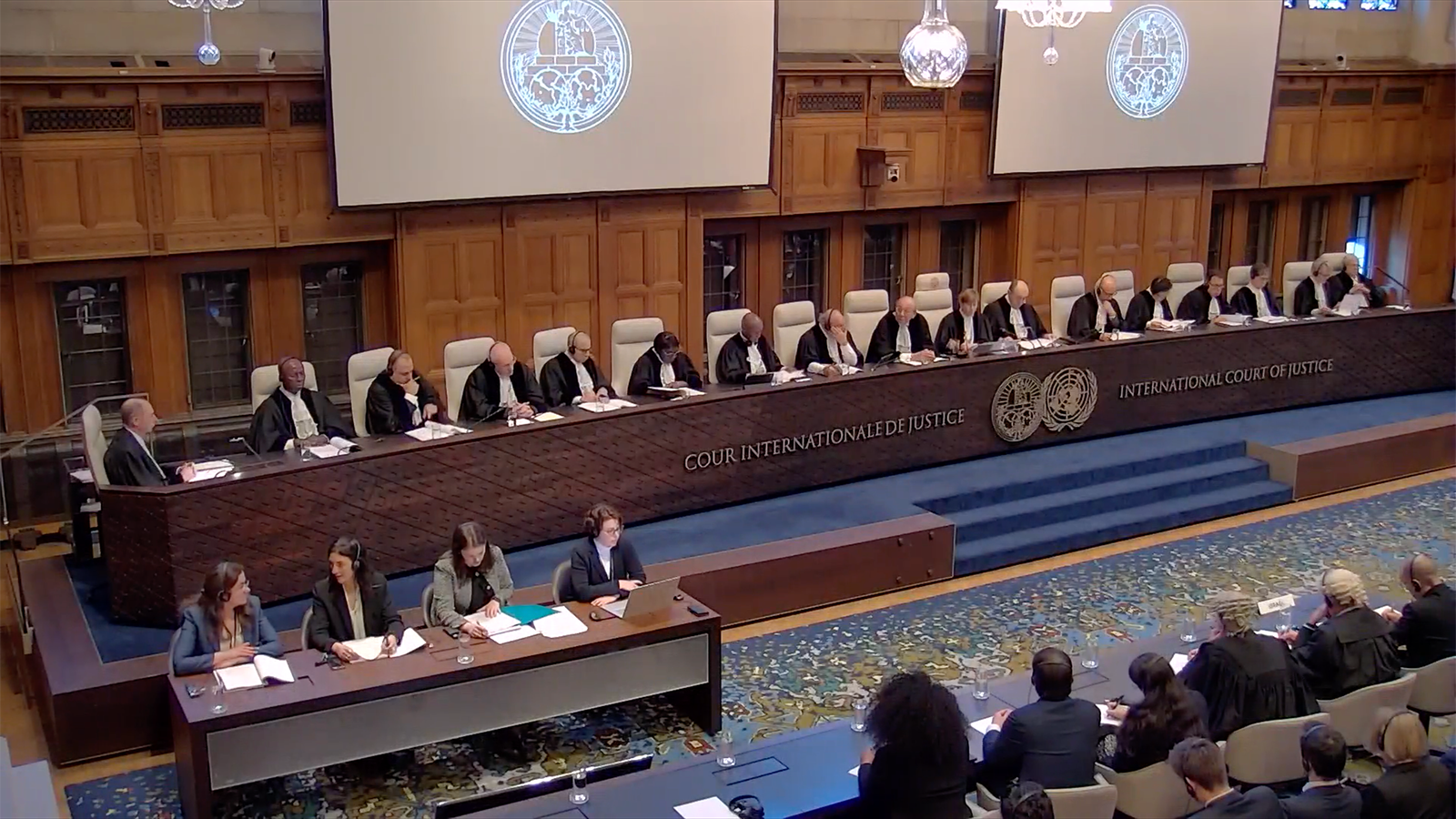
Whither the Global Governance of Protecting Civilians? An Initial Assessment of the ICJ’s Decision on South Africa v. Israel of 26 January 2024
whither-the-global-governance-of-protecting-civilians-an-initial-assessment-of-the-icjs-decision-on-south-africa-v-israel-of-26-january-2024
Analysis
Democracy and Human Rights
February 14, 2024
How Ukraine uses AI to fight Russian information operations
how-ukraine-uses-ai-to-fight-russian-information-operations
Commentary
AI Governance
February 12, 2024

Got trust? Global governance of emerging technologies
got-trust-global-governance-of-emerging-technologies
Commentary
AI Governance
November 28, 2023

Last minute national objections to the EU’s AI Act are a mistake. Here’s why
rolling-back-the-ai-act-is-a-mistake-heres-why
Commentary
AI Governance
November 27, 2023

Contributions of Latin America and the Caribbean to UN Peace Operations and Recommendations to Increase this Participation
new-ggi-advice-report-latin-american-and-caribbean-countries-contributions-to-un-peacekeeping
Report
Peace and Security
October 12, 2023
Armed Conflict in Nagorno-Karabakh: Crisis, Exodus, and Ethnic Cleansing
armed-conflict-in-nagorno-karabakh-crisis-exodus-and-ethnic-cleansing
Briefing
Peace and Security
October 9, 2023

Thinking of Eloho – One Year On
thinking-of-eloho-one-year-on
Commentary
Peace and Security
August 12, 2023
The Strategic Compass and the EU's Security & Defence Partnerships
the-strategic-compass-implementing-the-partnership-dimension-in-the-area-of-security-and-defence
Report
Peace and Security
July 23, 2023
Franco-German Perspectives: Europe's Moment of Geopolitics
franco-german-perspectives-europes-moment-of-geopolitics
Commentary
Peace and Security
June 2, 2023
A Comprehensive Mapping of National Higher Education Teaching Qualification schemes, Requirements and Provisions for the Promotion and Reward of Teaching Excellence
a-comprehensive-mapping-of-national-higher-education-teaching-qualification-schemes-requirements-and-provisions-for-the-promotion-and-reward-of-teaching-excellence
Report
Global Education
June 1, 2023

Stefaan de Rynck 'Inside the deal: How the EU got Brexit Done'
stefaan-de-ryncks-inside-the-deal-how-the-eu-got-brexit-done
Commentary
Global Education
April 5, 2023

NATO Allies and the Protection of Civilians
nato-allies-and-the-protection-of-civilians
Analysis
Peace and Security
January 11, 2023
Why Jettison Erasmus? The negative consequences for the UK of walking away
why-jettison-erasmus
Commentary
Global Education
January 1, 2021

Doing less with more? The difficult return of Western troop contributing countries to UN Peacekeeping
doing-less-with-more
Analysis
Peace and Security
November 2, 2020
The European Union's Role in International Economic Fora – Paper 4: The IMF
the-european-unions-role-in-international-economic-fora-paper-4-the-imf
Report
Global Economy
September 1, 2015
Civil Society Reforms in Uzbekistan: More than Government Chicanery?
civil-society-reforms-in-uzbekistan-more-than-government-chicanery
Briefing
Peace and Security
January 1, 2014
Assessing the EU’s Joint Communication on the Comprehensive Approach: Implications for EU Crisis Response and Conflict Prevention
assessing-the-eus-joint-communication-on-the-comprehensive-approach
Briefing
Peace and Security
December 15, 2013
The EU Foreign Policy of My Dreams: Ten Wishes
the-eu-foreign-policy-of-my-dreams-ten-wishes
Views from Practice
Peace and Security
December 12, 2013
The Middle East as weapons of mass destruction free zone: A proposal to overcome the deadlock
the-middle-east-as-weapons-of-mass-destruction-free-zone-a-proposal-to-overcome-the-deadlock
Views from Practice
Peace and Security
October 15, 2013
From a Militarized to a Humanized Responsibility to Protect
from-a-militarized-to-a-humanized-responsibility-to-protect-integrating-the-red-cross-and-red-crescent-into-rtop-to-respond-to-natural-disasters-and-global-climate-change
Analysis
Global Environmental Governance
June 1, 2013
Leading the Peacebuilding Commission: An Institutional History in the Making
leading-the-peacebuilding-commission-an-institutional-history-in-the-making
Views from Practice
Peace and Security
March 1, 2013
Anticipating the “Final” Arms Trade Treaty Conference: Eight Concrete Proposals
anticipating-the-final-arms-trade-treaty-conference-eight-concrete-proposals
Analysis
Peace and Security
February 1, 2013
Report for the Inquiry into the European External Action Service – EU sub-committee on External Affairs of the House Of Lords
report-for-the-inquiry-into-the-european-external-action-service---eu-sub-committee-on-external-affairs-of-the-house-of-lords
Briefing
Peace and Security
December 1, 2012
Government and the Process of Governance in Africa
government-and-the-process-of-governance-in-africa
Analysis
Peace and Security
November 1, 2012
The Responsibility to Protect and the Responsibility while Protecting: Friends or Foes?
the-responsibility-to-protect-and-the-responsibility-while-protecting-friends-or-foes
Analysis
Democracy and Human Rights
September 15, 2012

Montenegro’s Accession To The EU: Taking Stock And Suggesting Areas For Progress
montenegros-accession-to-the-eu-taking-stock-and-suggesting-areas-for-progress
Briefing
Democracy and Human Rights
August 1, 2012

Electing Freedom? Key Challenges For Libya After The 7 July 2012 Election
electing-freedom-key-challenges-for-libya-after-the-7-july-2012-election
Briefing
Peace and Security
August 1, 2012

The Somali Crisis and the EU: Moving Onshore and Committing to Somalia
the-somali-crisis-and-the-eu-moving-onshore-and-committing-to-somalia
Analysis
Peace and Security
July 1, 2012
United Nations - European Union Cooperation in the Field of Peacekeeping: Challenges and Prospects
united-nations-european-union-cooperation-in-the-field-of-peacekeeping-challenges-and-prospects
Analysis
Peace and Security
June 1, 2012
Widening The Huntress’s Reach: Legal And Strategic Aspects Of A New Atalanta Mandate
legal-and-strategic-aspects-of-a-new-atalanta-mandate
Briefing
Democracy and Human Rights
April 15, 2012

The Biological Weapons Convention, Bioterrorism And The Life Sciences
the-biological-weapons-convention-bioterrorism-and-the-life-sciences
Briefing
Peace and Security
April 1, 2012

A Democratic Justification for Military and Non-military Humanitarian Intervention
a-democratic-justification-for-military-and-non-military-humanitarian-interventions
Analysis
Democracy and Human Rights
April 1, 2012

Climate Change and Security: Adapting the Discussion to the Evidence
climate-change-and-security
Briefing
Global Environmental Governance
March 15, 2012

The United Nations Entity for Gender Equality and the Empowerment of Women (UN Women)
the-united-nations-entity-for-gender-equality-and-the-empowerment-of-women-un-women
Backgrounder
Peace and Security
September 1, 2011

The International Criminal Court and Kenya’s Post-election Violence
the-international-criminal-court-and-kenyas-post-election-violence
Analysis
Democracy and Human Rights
July 15, 2011

The United Nations Peacebuilding Architecture: Background Note
the-united-nations-peacebuilding-architecture-background-note
Briefing
Peace and Security
March 1, 2011
European Civilian Crisis Management Capacities: Bridging The Resources Gap?
european-civilian-crisis-management-capacities-bridging-the-resources-gap
Briefing
Peace and Security
January 15, 2011
The Changing Constellation of Power and Resistance in the Global Debate over Agrofuels
the-changing-constellation-of-power-and-resistance-in-the-global-debate-over-agrofuels
Analysis
Global Environmental Governance
January 1, 2011